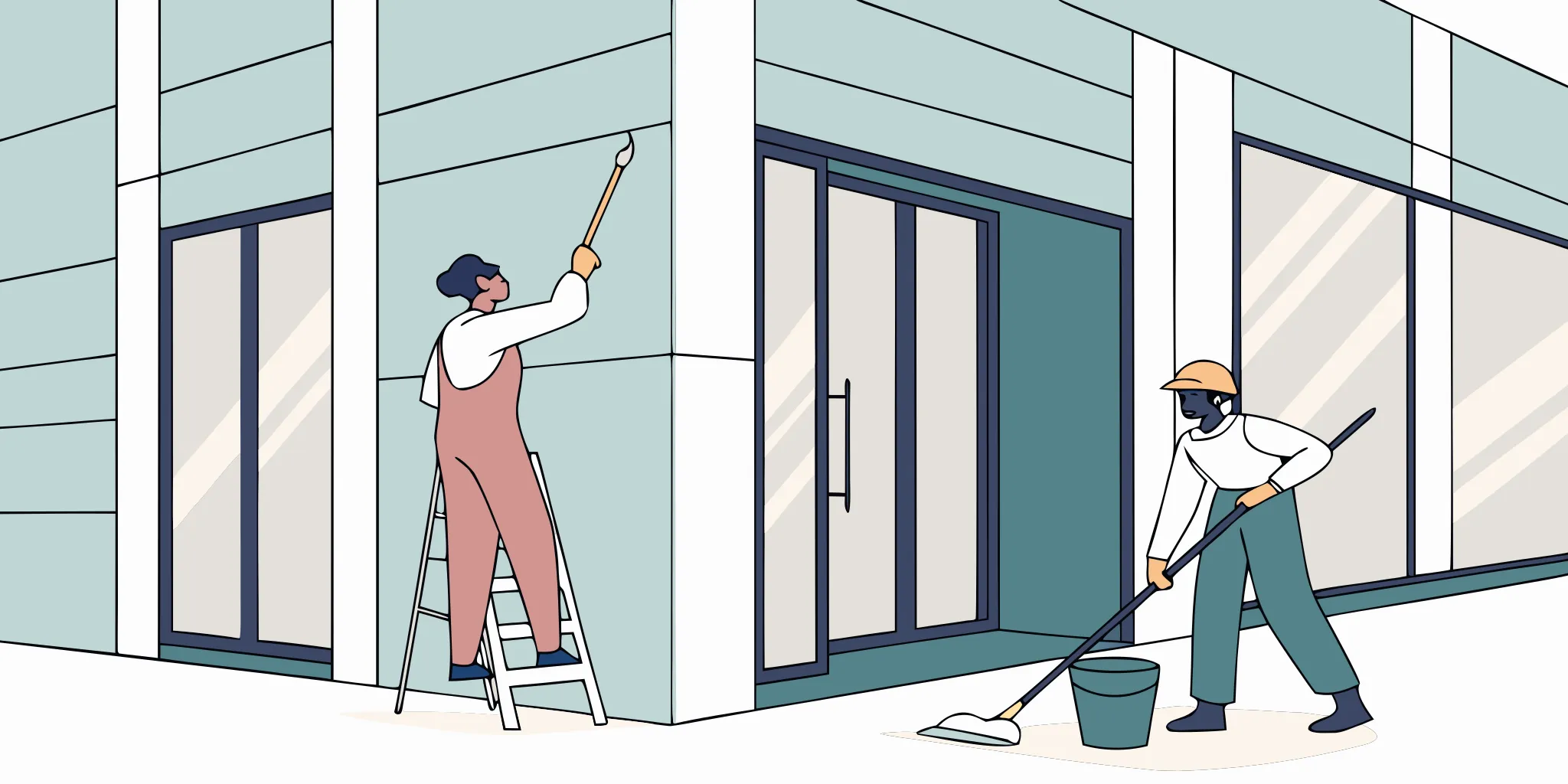
Commercial architectural film installation gives facilities teams a way to refresh visible interior surfaces without treating every renovation as a demolition project. For lobbies, retail zones, glass partitions, corridors, branded walls, and customer-facing rooms. The right film can update the look of a space while the existing substrate stays in place.
Contact AP Installations at (503) 270-5524 to review surfaces, timing, and access before your next interior film project.
AP Installations is a 3M Preferred Installer based in Beaverton, Oregon. With vinyl graphics installation experience across walls, windows, floors, murals, retail environments, fleet graphics, and experiential brand spaces. The team serves the Pacific Northwest and supports project-based work nationwide. This guide explains how commercial buyers should think about suitable applications, substrate evaluation, preparation, scheduling, disruption reduction, and the point where certified professional installation becomes the safer decision.
Commercial architectural film installation in a renovation
AP Installations approaches commercial architectural film installation as a planning and execution problem, not just a material application. A successful project connects the design goal with the real surface, the active building schedule, and the conditions installers will face on site.
Architectural film can help a facility create a cleaner lobby, a more current retail environment, improved privacy on glass, updated wayfinding, branded corridors, or a polished customer-facing space. It can also help extend the useful life of existing finishes when replacement would require more downtime, waste, or construction coordination. That practical advantage is strongest when the surface is stable and the installation sequence is planned early.
The film itself is only one part of the outcome. The installer needs to understand the surface, paint history, and previous graphics. They also need to plan seams, edges, and how the area will be protected during the work. A project that looks simple in a rendering can become more complex when the team finds uneven walls. Tight corners, high glass, limited loading access, or public traffic that cannot stop during the day.
Facilities teams should also separate design approval from installation readiness. A design may be approved because it looks good, but the building still has to support it. Surface repairs, paint cure time, dust from other trades, access equipment, door hardware, and cleaning routines can all affect the finished result. A professional installer helps identify those details before materials are produced or crews arrive.
For AP Installations, the value is hands-on execution. The company can coordinate with designers, printers, agencies, facilities teams, and brand stakeholders so the approved visual plan turns into a durable installation. That role is especially important when the finished space represents a commercial brand, tenant experience, or public-facing renovation.
Where can architectural film work inside a commercial space?
AP Installations evaluates architectural film applications by matching the renovation goal to the surface and the building use. Common applications include interior walls, glass conference rooms, storefront zones, reception areas, retail displays, wayfinding areas, corridors, elevator lobbies, and branded environments.
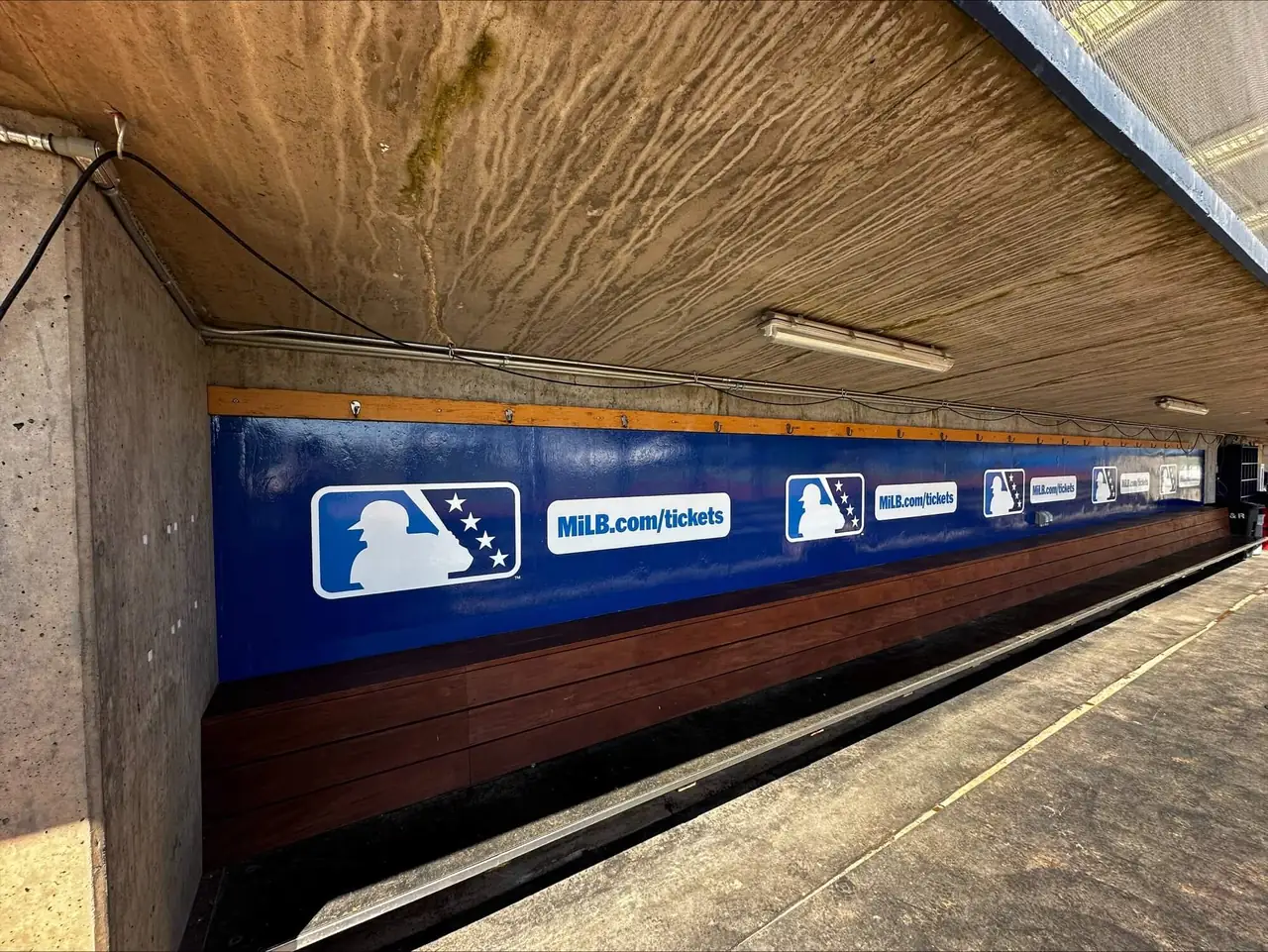
Wall applications are often used for environmental branding, custom murals, department identification, wayfinding, and surface refreshes in public or semi-public spaces. A wall film can carry a large visual message, create a branded backdrop, or update a dated finish. Before installation, the wall should be checked for paint stability, texture, patching, moisture, edge conditions, and any residue from previous graphics.
Glass applications can support privacy, decorative patterns, branded conference rooms, storefront improvements, and customer-facing spaces where clear glass needs a more intentional role. Planning should account for sightlines, lighting, cleaning routines, occupant privacy, door swings, mullions, handles, and how the film aligns with fixed elements.
Retail and pop-up environments can use film to refresh displays, seasonal campaigns, point-of-purchase areas, and interior graphics without rebuilding the entire space. AP Installations’ commercial vinyl graphics installation solutions include storefront graphics, window displays, interior retail graphics, wall graphics, wayfinding, and floor graphics. That makes architectural film a natural fit for brands that need a polished finish in active customer environments.
Floor graphics can also support wayfinding or promotional messaging when the right material, location, and maintenance expectations are in place. Because floors receive direct traffic, cleaning, and abrasion, the planning discussion should include durability expectations and product documentation. Teams should not assume every film belongs on every surface.
Exterior-adjacent spaces deserve careful review as well. Entry areas, storefront glass, vestibules, and high-sun zones may experience different temperature, cleaning, and exposure conditions than interior walls. AP Installations’ work in large-scale advertising and building graphics shows how surface, access, and visibility shape installation planning beyond a simple square-footage estimate.
How do installers evaluate surfaces before architectural film?
AP Installations treats the site review as a risk-control step. The review answers a practical question: is this surface ready to receive film, and what needs to happen before installation day so the finished work looks clean?
The substrate comes first. Painted drywall, glass, metal, sealed panels, laminate, doors, and other commercial finishes behave differently. Installers look for smoothness, dryness, cleanliness, stability, and compatibility with the selected material. Fresh paint, failing paint, dust, heavy texture, grease, silicone, old adhesive, cleaning residue, and patch repairs can change how film adheres and how the final surface appears.
Edges and transitions matter as much as the center of the surface. Corners, door frames, baseboards, glass mullions, handles, outlets, elevators, and millwork details can determine where film starts and stops. A clean plan for edges helps prevent awkward cuts, visible overlaps, and vulnerable points where the film may lift or collect dirt over time.
Environmental conditions should be part of the review. Temperature, humidity, active HVAC changes, exterior glass exposure, construction dust, and nearby cleaning can all affect installation quality. A professional installer will consider whether the building is conditioned, whether other trades are creating dust, and whether the installation area can stay clean during application.
Access is another practical issue. Installers may need ladders, lifts, staging space, clear floor area, secured work zones, parking, loading access, or after-hours entry. In an occupied lobby, school, clinic, office, retail space, or production facility, those details should be settled before crews arrive.
Facilities teams can make this step easier by gathering drawings, photos, measurements, surface descriptions, product details, and renovation schedules early. AP Installations also has a commercial vinyl installation site survey checklist that can help teams organize pre-installation questions before a professional review.
How to plan installation with less disruption
AP Installations can help commercial teams reduce disruption by treating installation as a scheduled workstream. Film may be less invasive than replacement, but the project still needs access, sequencing, communication, and clean work conditions.
- Define the active areas. Confirm which walls, windows, doors, corridors, retail zones, or customer-facing spaces will receive film. Mark which areas are occupied, under construction, public, restricted, or dependent on other trades.
- Coordinate with other trades. Film should not be installed while nearby sanding, painting, drilling, cleaning, or fixture work is creating dust or damaging finished surfaces. Build the schedule so each installation area is stable, clean, and ready.
- Decide whether off-hours work is needed. AP Installations can coordinate installations during off-hours when requested to reduce interference with retail or facility operations. This is useful in lobbies, storefronts, offices, public corridors, and spaces where normal traffic cannot stop during the day.
- Stage materials and access. Make sure the installer has clear entry, parking, loading, staging space, ladder or lift access when required, and a protected area for tools and film handling. Poor staging creates delays and increases the chance of damage.
- Communicate with occupants. Employees, tenants, customers, and security teams should know when areas will be restricted. When doors or windows may be unavailable, and who is responsible for questions during the work.
- Inspect before turnover. Plan time for a walkthrough, touch-ups, edge review, cleanup, and documentation. Rushing final inspection can leave small issues unresolved after the space reopens.
This sequence keeps the project grounded. The goal is not only to install film, but to install it without avoidable conflict with daily operations. Good planning also protects finished graphics from damage by people, equipment, cleaners, and other trades immediately after installation.
For multi-location refreshes, the same planning steps become more important. A brand team may need one consistent look across several stores or offices, while each location has a different layout and access condition. A professional installation partner can standardize the process while adapting to each site.
Professional installation vs. in-house application
AP Installations recommends weighing visibility, complexity, risk, and repeatability before deciding between professional installation and an in-house application. A small, temporary, low-visibility decal may be manageable internally. A brand-critical commercial film project usually has more at stake.
| Project factor | Professional installation | In-house application |
|---|---|---|
| Surface assessment | Reviews substrate condition, cleaning needs, edges, access, and environmental conditions before application. | May focus on applying the film without fully identifying adhesion risks or finish defects. |
| Visual finish | Uses trained application techniques to reduce bubbles, wrinkles, poor seams, and uneven edge work. | Higher chance of visible mistakes in public or customer-facing areas. |
| Schedule control | Coordinates staging, off-hours work, access needs, and installation sequence with facility operations. | Often competes with staff availability and other job responsibilities. |
| Multi-location consistency | Documents methods and repeats installation standards across sites. | Results may vary by who applies the film at each location. |
| Risk management | Identifies surfaces, conditions, and details that could affect durability or appearance. | Problems may only become clear after the material is installed. |
| Documentation | Supports project records, care guidance, and post-installation review. | Documentation is often informal or missing. |
The difference is not only technical skill. It is also accountability. A certified installer knows which questions to ask before the work starts, how to prepare the area. How to manage edge conditions, and when a surface may need attention before film is applied. That experience is valuable when the final finish represents a brand, facility investment, or public-facing renovation.
In-house application can also underestimate time. Removing backing, aligning large panels, keeping dust away, trimming cleanly, and working around corners or mullions requires patience and practice. A staff member who handles the work between other duties may take longer than expected and still produce an uneven finish.
For commercial teams, the decision should be based on consequence. If the project affects a prominent space, supports a brand standard, or must be consistent across locations, professional installation is usually the safer path.
What should teams confirm before materials are ordered?
AP Installations is most useful when involved before materials are ordered. Early input can prevent layout, material, or schedule decisions that look good in a file but create problems in the building.
Start with the design intent. Is the film supposed to create privacy, refresh a dated surface, carry brand graphics, guide visitors, support a seasonal campaign, or make several locations feel consistent? That purpose affects the film type, opacity, finish, scale, placement, and installation priority.
Next, confirm the surface. The same design may need different planning for glass, painted drywall, sealed panels, doors, floors, or curved elements. Teams should collect photos, dimensions, surface descriptions, and any known history of paint, previous graphics, coatings, cleaning chemicals, or moisture issues. If the surface is questionable, ask for a site review or sample test before committing to the full order.
Material documentation should come from the manufacturer or supplier. Avoid broad assumptions about fire ratings, code compliance, durability, energy savings, or specialty performance. If those issues matter, the facilities team should confirm them with product documentation and the appropriate project stakeholders. AP Installations can help evaluate installability, but the selected material still needs to match the project requirements.
- Design files: confirm dimensions, panel breaks, bleeds, and critical alignment points.
- Production details: confirm film type, laminate, finish, color expectations, and product documentation.
- Site readiness: confirm paint cure, cleaning, repairs, dust control, access, and staging.
- Operational needs: confirm business hours, security access, restricted areas, occupant communication, and turnover timing.
Mockups and samples are useful when the finish is highly visible or leadership approval matters. A small sample can reveal how the film looks under the building’s actual lighting, next to real finishes, and from the normal viewing distance. It can also help the team catch color, sheen, scale, or privacy concerns before a full production run.
Finally, confirm who owns each part of the process. AP Installations works as an installation specialist and can support projects with printing partner coordination when needed. Designers, printers, facilities teams, and installers all play different roles. Clear responsibility for design files, production, site access, material delivery, installation, and final approval keeps the project moving.
When should a certified installer be involved?
AP Installations should be involved early when a project has high visibility, complex conditions, a tight schedule, or limited room for rework. Commercial interiors often combine several of those factors, especially in lobbies, storefronts, offices, schools, public buildings, retail spaces, and customer corridors.
Bring an installer in early for large-format wall graphics, architectural glass film, multi-panel designs, long corridors, corners, doorways, high glass, and projects that continue across several rooms. These details affect layout and sequencing. Early input helps the design and production teams avoid awkward seams, graphics that conflict with hardware, or material choices that do not match the surface.
Certified installation is also important for multi-location work. A brand refresh that covers several stores, offices, or facilities needs repeatable standards. The installer can help document surface conditions, staging needs, timing, and quality checks so each location is handled consistently while still accounting for local conditions.
AP Installations’ 3M Preferred Installer status is a meaningful trust signal for teams that need experienced commercial execution. The company has been operating since 2008 and serves the Pacific Northwest from Beaverton, Oregon, with project-based nationwide capabilities. AP Installations is also an Oregon contractor, CCB# 253414, which is listed on the AP Installations contact page.
Professional installation is not about making every project more complicated. It is about identifying the issues that would otherwise become expensive after the film is on the wall or glass. If the space is brand-critical, public-facing, hard to access, or schedule-sensitive, involve the installer before finalizing the plan.
Ready to plan a lower-disruption interior refresh? Contact AP Installations before materials are ordered so the installation plan can account for surfaces, access, and timing.
How commercial architectural film supports a broader graphics plan
AP Installations often supports projects where interior film is one piece of a larger visual system. A renovation may include wall graphics, window graphics, floor graphics, murals, fleet branding, storefront graphics, and experiential installations that all need to feel consistent.
That broader context matters because the same brand standards may appear across different surfaces. A lobby wall, glass conference room, storefront window, event display, and vehicle wrap may each use different materials and installation methods. The buyer still expects one professional brand experience. AP Installations’ experience with vinyl wall graphics for businesses, custom wall murals, and custom floor decals with logos supports related surface needs. Facilities and brand teams can use one installation partner across connected graphics work.
For facilities managers, the benefit is coordination. A single installation partner can help document site conditions, sequence crews, plan access, and standardize quality checks across surfaces. For agencies and brand teams, the benefit is consistency. The approved creative has a better chance of appearing as intended when installation details are reviewed before production.
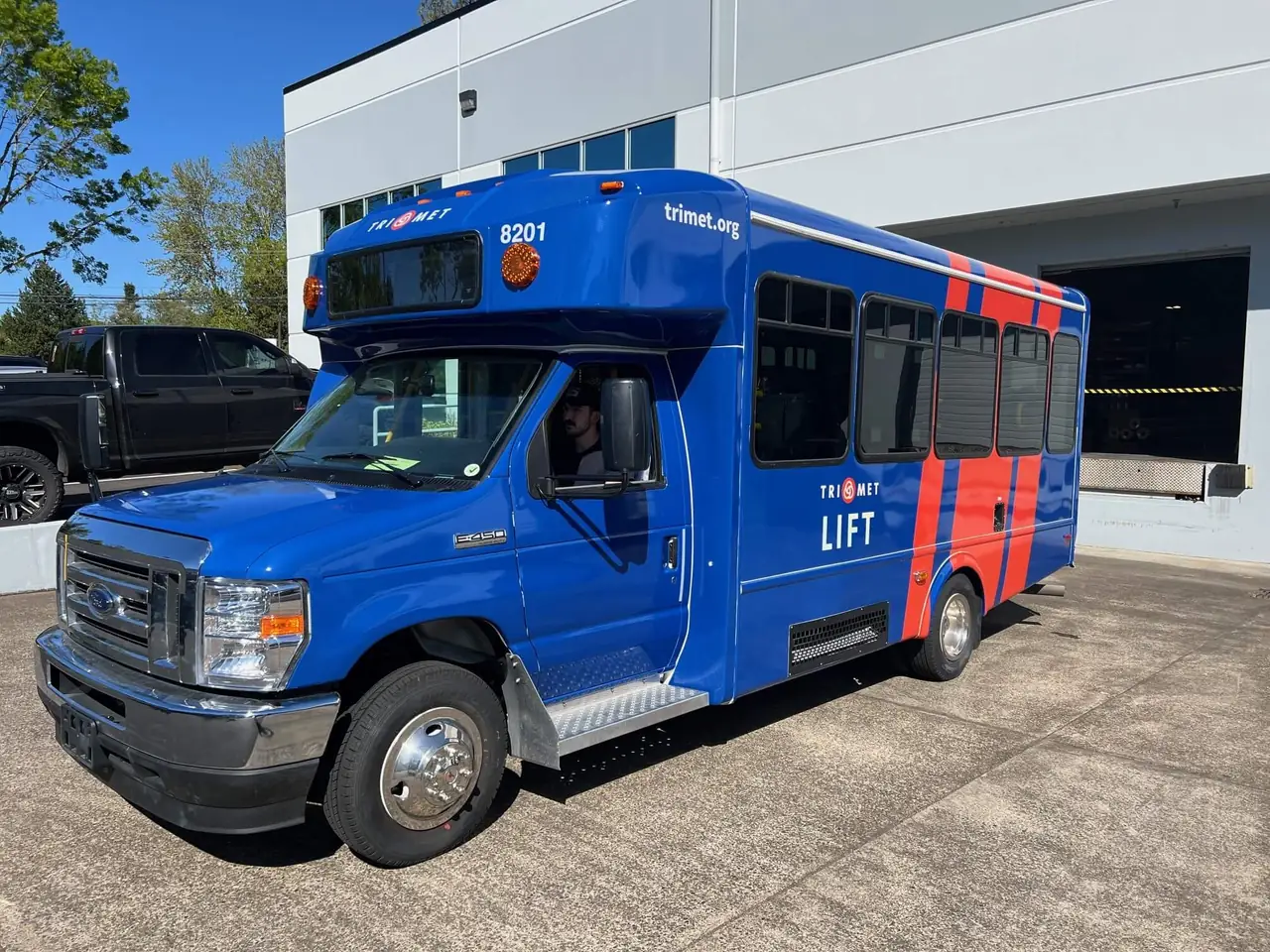
Teams can also use AP Installations’ commercial graphics project examples to see how large-format installation planning applies in real environments. Projects such as public transit graphics, venue graphics, and retail-focused installations show the range of surfaces and site conditions that professional installers are asked to manage.
Frequently asked questions
What is architectural film?
Architectural film is a surface-applied film used to change the appearance or function of a compatible commercial interior surface. Depending on the selected product, it may be used on glass, walls, panels, doors, or other approved substrates. Teams use it to refresh finishes, add privacy, support branding, improve wayfinding, or update a space without replacing every underlying material.
How is architectural film installed?
Installation usually starts with a site review, surface evaluation, measurement, and preparation plan. On installation day, the surface is cleaned and prepared, the film is aligned, applied, trimmed, finished at edges, and inspected. The exact process depends on the film type, surface, size, access conditions, and whether the work happens in an occupied space.
How much does commercial architectural film installation cost?
Cost depends on the film type, square footage, surface condition, access requirements, complexity, scheduling needs, and whether the project includes multiple locations. AP Installations should review the project details before giving a recommendation. Use the contact page to discuss scope and next steps.
What are the downsides of architectural film?
Architectural film is not a fix for every surface. Poor surface condition, moisture, heavy texture, incompatible coatings, bad preparation, or unrealistic performance expectations can create problems. The best way to reduce those risks is to involve a professional installer early, confirm product documentation, and evaluate the site before materials are ordered.
Talk with AP Installations about your film project
If your team is planning an interior refresh, AP Installations can help you think through the installation details that affect the final result. The team can review surfaces, access, scheduling, and project coordination so your commercial architectural film installation is planned around the realities of your space.
Contact AP Installations or call (503) 270-5524 to discuss your renovation goals and connect your project with a certified installation team.