Blog
Exterior Building Signage Installation: A Complete Guide for Sign Shops
Request a free consultation for exterior building signage installation. Learn the surface types, safety codes, and why a 3M-certified partner protects your...
Blog
Request a free consultation for exterior building signage installation. Learn the surface types, safety codes, and why a 3M-certified partner protects your...
Many print shops lose client trust because of a poorly mounted storefront sign. If your crew lacks heavy lift equipment or advanced safety training, complex outdoor projects quickly become a major risk.
A professional exterior building signage installation needs careful site surveys, strict local code rules, and specialized mounting methods to ensure public safety. For local print shops and sign makers, working with a dedicated wholesale crew makes sure that heavy brand displays are mounted securely on tough exterior surfaces. This white-label service helps your business easily handle capacity overflow, avoid warranty issues, and complete complex setups without buying costly lift equipment. You can keep your focus completely on sign design and print production while our certified team manages the dangerous, high-altitude physical setup. Explore our full range of installation services to find the right fit for your shop.
Contact AP Installations today for a free consultation on your next exterior building signage installation project. Our certified team is ready to support your sign shop.
Before you plan your next outdoor project, you need to know what types of displays require professional handling. Understanding the scope of these signs helps you guide your clients toward the right design and mounting options.
Exterior building signage includes any visual display mounted on the outside of a commercial structure. These signs help guests find a business and guide traffic. For many sign shops, printing these assets is the easy part. But the real challenge is the exterior building signage installation, so partnering with a skilled professional installation partner is key.
Exterior signs come in many shapes to fit different building types. Freestanding monument signs sit low to the ground near parking lots or entrances. Wall-mounted dimensional signs and glowing channel letters attach right to building facades. Many modern storefronts also use fabric awning signs or clear window graphics to attract guests from the street.
Large-format graphics, such as full building wraps, can cover large concrete walls to make a huge visual impact. But wrapping a whole storefront in outdoor-rated vinyl graphics requires special tools and expert training. Local sign shops often lack the trucks, lifts, or staff to handle these complex setups safely. AP Installations acts as a trusted wholesale partner, able to install all these diverse signs for shops without field teams.
When you design outdoor signs, letter size is key to how well people can read them. There is a simple rule of thumb to find the best letter height for any distance. You take the letter height in inches and multiply that number by 30 to find the longest reading distance in feet. This formula helps you plan layouts that work well.
For example, six-inch letters are easy to read from about 200 feet away. If the sign sits near a fast highway, the viewer has only a few seconds to react. That means the letters must be much larger to be seen in time. Professional installers know how to check these heights and angles on site before mounting the final sign.
Safety is another key factor for any exterior sign. Under OSHA safety standards, all signs must be made with rounded or blunt corners. This rule prevents cuts by banning sharp edges, burrs, splinters, or rough projections. Working with a skilled team ensures these sharp points do not stick out in public spaces.
Planning an exterior building signage installation is more than just picking the right design. Every building facade has unique traits that demand special tools, anchors, and methods to keep signs safe. If your team mounts a heavy sign on the wrong wall with no expert training, the sign can fall or damage the facade. For sign shops, these risks make DIY setups a major threat.
Building facades react in different ways under the stress of heavy signs. For instance, brick and concrete are strong but brittle. When workers drill into these walls, they must stay at least four inches away from any edge to prevent the brick from breaking.
Workers must also clear all drilling dust from masonry holes so that the screws seat tight. For other surfaces like stucco, the main threat is cracking the finished facade. Stucco requires slow drilling with a light touch to prevent chipping.
To keep the public safe, strict safety rules also dictate sign design. For example, under the OSHA 1910.145 safety standard, exterior signs must have blunt or rounded corners to prevent cuts or scrapes. Expert sign installers know how to combine these safety rules with the right mounting techniques to protect your client and your shop.
When you work with tricky walls like natural stone or corrugated metal, standard wall anchors will fail because these facades need special parts. For instance, stone needs diamond drill bits, while metal needs backer plates to handle high winds. If an untrained crew tries to guess the technique, they risk water leaks or falling signs. The table below outlines how each surface type behaves during an exterior building signage installation.
| Surface Type | Primary Challenge | Installation Technique | Best-Practice Tip |
|---|---|---|---|
| Concrete and Brick | Material breakage and cracks | Hammer drill with masonry bits | Stay four inches from edges and clear out all dust. |
| Stucco | Chipping and facade damage | Slow speed drill with no hammer action | Drill very slowly to keep the surface intact. |
| Natural Stone | Hardness and crack risk | Diamond-tipped core drills and epoxy | Avoid joint lines to prevent stone splitting. |
| Corrugated Metal | Thin sheets and high wind load | Toggle bolts and rubber gaskets | Use silicone sealant to prevent rust. |
| EIFS (Exterior Insulation) | Water leaks and foam core damage | Sleeve anchors and backer plates | Seal every hole to prevent dry rot. |
| Glass Curtain Wall | No drilling allowed and breakage | Structural tape or pressure clamps | Clean glass with alcohol before mounting. |
Because of these risks, most print and sign shops choose to outsource this phase of the job. Finding a licensed professional installation partner keeps your team safe. It also protects your shop from costly damage claims and ensures a clean, level look that displays your client’s brand with pride.
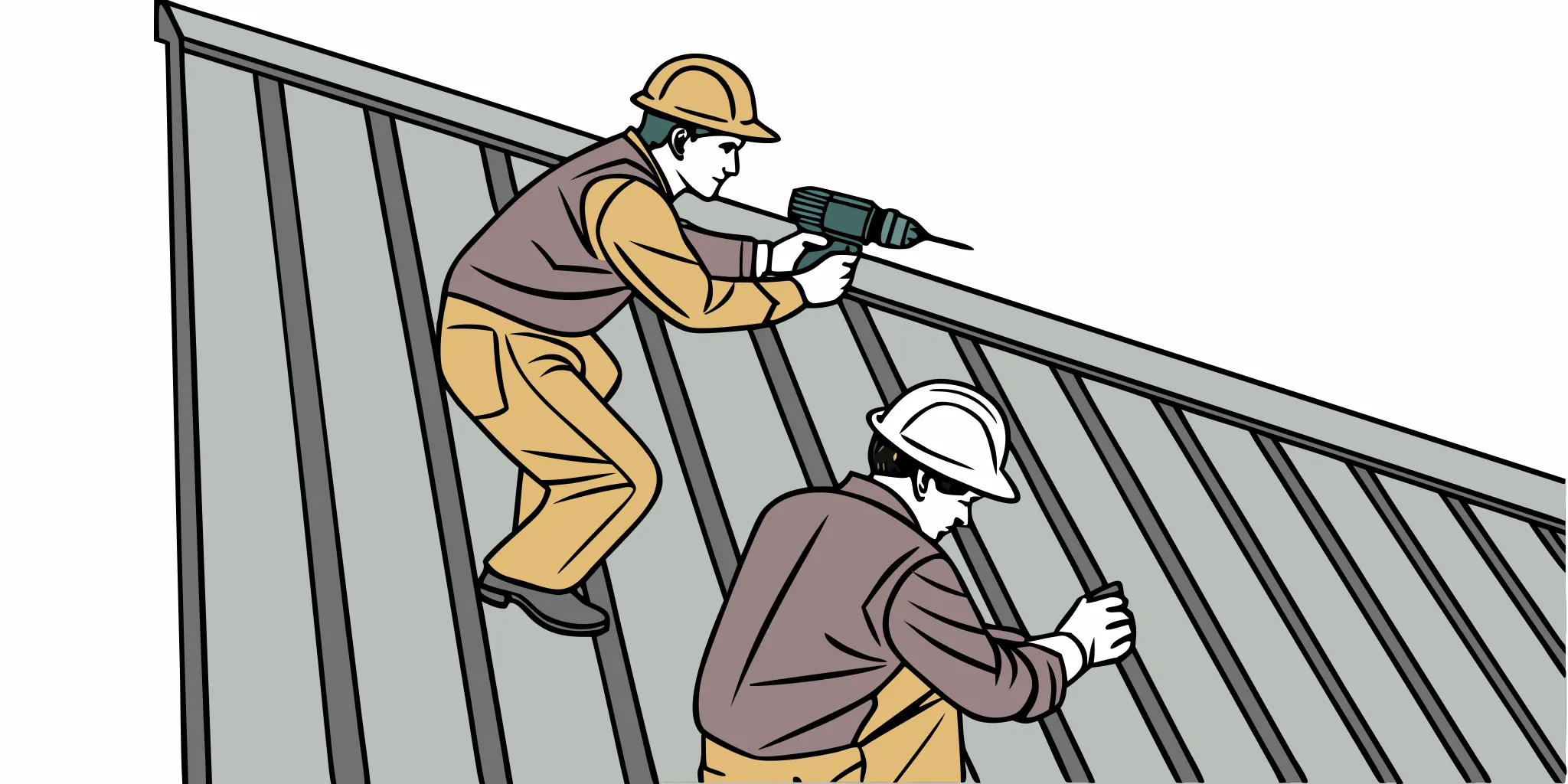
Sign shops and print shops excel at design and print. They create stunning signs and graphics that capture a brand’s look. But the final phase, exterior building signage installation, needs a new set of skills and tools. Mounting large-format signs on brick, concrete, or metal facades involves unique risks.
To manage these risks, many shops choose to outsource the setup phase. This choice allows them to focus on their core print work. By partnering with a certified wholesale installer, sign shops can scale their work without hiring full-time crew. This choice also helps them avoid common pitfalls in the field.
One major reason to outsource is to protect the factory warranty. High-quality vinyl graphics often come with a 3M MCS Warranty. This plan covers the print for up to nine years on upright surfaces. But this warranty remains valid only if a trained pro installs the media.
If an untrained shop mounts the vinyl, the warranty is lost. If the vinyl peels or fades early, the print shop must pay for the remake. Outsourcing to a 3M Preferred Installer keeps the warranty safe. It allows print shops to protect your investment and avoid costly mistakes.
Exterior building signage projects are often complex. Techs must work at heights, using lifts and ladders. They must secure heavy signs to diverse materials like stucco, stone, or brick. Each surface needs its own drill speed and fastener depth to prevent damage.
Also, public safety is a key concern. A falling sign can cause serious injuries. According to a leading guide, professional sign installation ensures your brand is represented correctly and meets all safety codes. Outsourcing to a bonded and insured team transfers the safety risk.
These codes often align with federal rules. For example, OSHA safety standards call for all signs to have rounded or blunt corners and to be free from sharp edges. Professional teams know how to meet these rules.
Sign demand goes up and down throughout the year. During busy seasons, a sign shop might face overflow work. Managing a full-time, in-house install crew costs a lot. Shops must pay for vehicles, insurance, and payroll even during slow months.
Outsourcing provides a scalable way to handle peak demand. Sign shops can buy installation services only when they need them. With a white-label partner, the installer acts as an extension of the sign shop’s team. The sign shop gets full credit for the clean result, while the pro handles the tall-wall labor.
Because AP Installations focuses only on the installation phase, there is no conflict of interest. Your print clients remain your clients, and your wholesale partner handles the heavy lifting safely.
Choosing the right team for exterior building signage installation is key to your project’s success. Sign shops need a partner they can trust to handle complex work on site. The right expert will act as an extension of your own business. They will ensure your signs look great and stay secure for years to come.
Quality begins with proper training. You should look for crews with certified skills. For example, AP Installations is one of only two 3M Preferred Installers in Oregon. This level of skill means the team has passed hard hands-on tests. They know how to handle thin vinyl films under harsh weather.
Your partner must also follow federal safety codes. For instance, OSHA safety rules state that all signs must have rounded or blunt corners. This prevents injuries from sharp projections on site. A trained team knows these rules and works to keep your clients safe. They will manage all risk while working high up on ladders or lifts.
When you choose a team for your next big job, use this quick checklist to find the best fit. These steps will guide you through the process of choosing a top installer.
A true professional installation partner will not compete with you for design or print work. They focus solely on the setup phase. This clean split protects your business while expanding what you can offer to your clients. You can take on larger outdoor jobs without the stress of hiring more staff. Your shop gets the credit while a skilled team does the heavy lifting.
A good exterior building signage installation starts long before the crew arrives on site. Proper planning prevents delays. It keeps your project on track. By following a clear checklist, you can help your installation partner work fast and stay safe. This guide helps sign shops prepare for a smooth day.
First, you must survey the site. Check the wall or facade for cracks, loose brick, or rot. The mounting area must be dry and free of dirt, mold, or old glue. If the surface is uneven, make repairs before the crew arrives. These steps prevent the sign from peeling or failing later.
Choose your vinyl with care. Wall textures like smooth metal or rough stucco need different films. For tips on picking the best film, check our material selection and durability guide. The right material ensures the graphic bonds well and lasts.
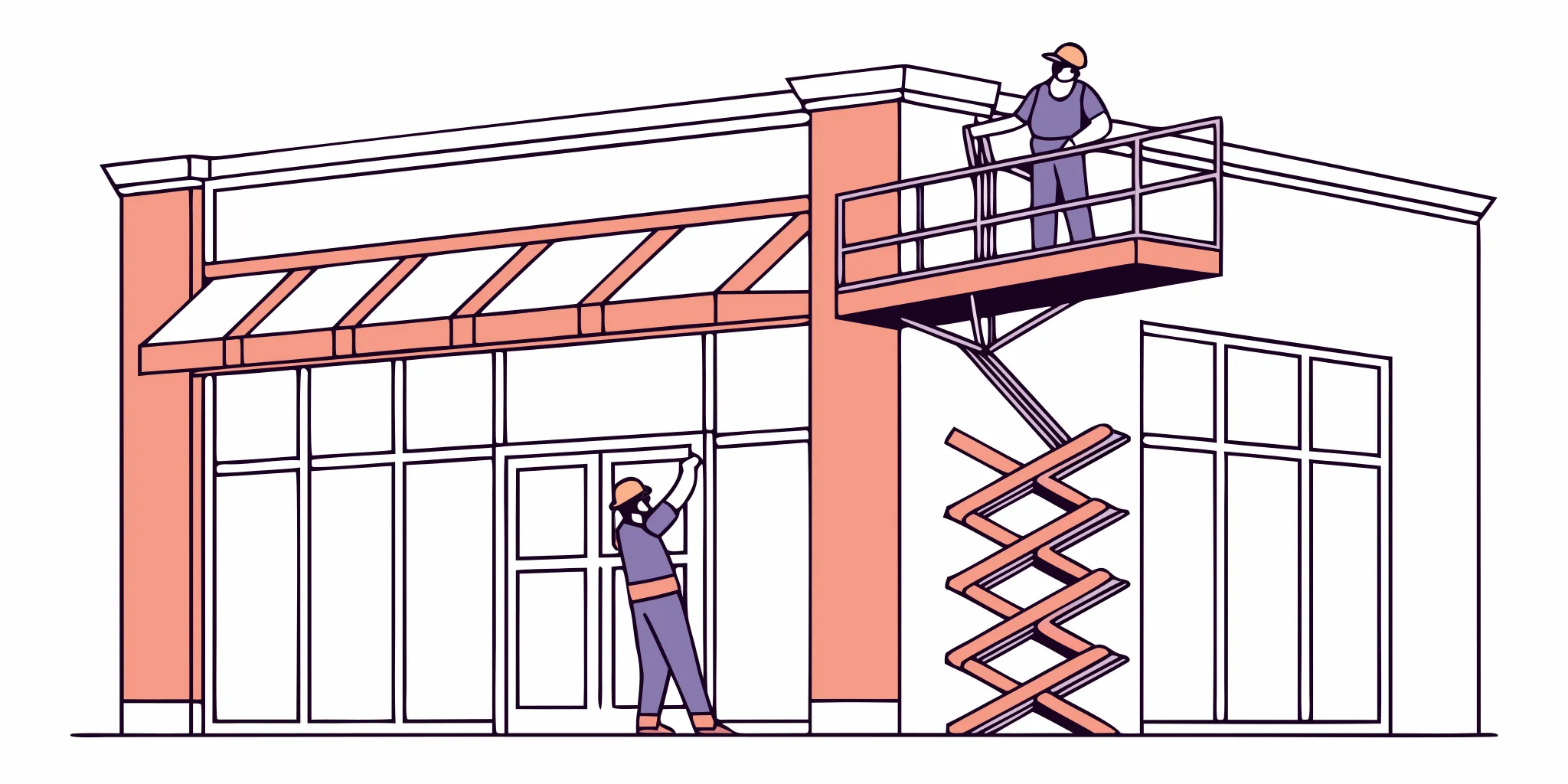
High walls need heavy gear. Plan for lifts early. You may need bucket trucks or scissor lifts to reach the spot. Check if the city asks for street permits to park this gear on site. Also, talk to the building manager. They must clear the area and warn tenants before work starts.
Weather is a major factor for outdoor jobs. Rain, wind, or cold can ruin the work. Most vinyl adhesives need dry walls and weather above 50 degrees to stick. If the day is too cold or wet, wait. Pick a new day to protect the brand and the vinyl itself.
Local codes dictate where you can place exterior signs. Get the right permits from the city before work starts. Public safety comes first. A professional installer ensures that all signs are mounted securely. This expert care prevents the sign from falling during high winds or winter storms. It also keeps your shop within city rules.
You must also follow key safety rules. Under OSHA safety standards, all signs must be free from sharp projections. This means signs must have rounded or blunt corners. They cannot have sharp edges, burrs, or splinters. Hire a certified team to stay compliant and protect your shop from fines.
For more information on how AP Installations can support your next project, visit our contact page or review our installation solutions.
How much does professional exterior building signage installation cost? Typical vinyl graphics installation projects mostly range from three to six dollars per square foot for supplies and labor. Complex projects at transit hubs or airports need badge access and deep planning, so they are always custom-priced. Because every job varies, sign shops should get a custom quote.
Yes. Under OSHA standard 1910.145, all signs must have rounded or blunt corners. They must also be free from sharp edges, splinters, burrs, or other sharp parts that could cause injury. Working with a professional installer ensures your custom signs meet all federal and local safety codes.
To install signs on stucco, crew members must drill mounting holes very slowly to keep the wall from chipping. According to Sign Specialists, installers must also clear all drilling dust from the holes before placing hardware. This step ensures that the bolts seat tightly.
Hiring a certified team protects your sign shop from expensive mistakes. Only certified installers can offer the 3M MCS Warranty, which provides up to nine years of vertical graphic coverage. Working with a trained team ensures your clients get great work without risking your shop’s reputation.
With proper installation and regular maintenance, high-quality exterior building signage can last five to ten years depending on the material. Vinyl graphics installed by a 3M Preferred Installer carry the 3M MCS Warranty covering up to nine years for vertical applications. Channel letters and dimensional signs can last even longer with periodic LED servicing and weatherproofing. The key variable is installation quality: a certified crew ensures the sign is mounted securely with the right fasteners and sealants for the specific wall surface.
Technically yes, but it carries significant risk. Without a certified installation partner, sign shops expose themselves to liability from falling signs, property damage, and OSHA fines for improper mounting. They also void manufacturer warranties on premium vinyl films by having uncertified staff handle the install. Most sign shops find that outsourcing to a 3M Preferred Installer like AP Installations is more cost-effective than investing in expensive lift equipment. Safety training, and insurance for what may only be occasional exterior work.
Leaving your complex exterior building signage installation to chance or untrained crews can lead to costly errors, structural failures, and damaged client trust. A delayed or botched sign launch hurts your sign shop’s reputation and drains your project budget. Booking a skilled, 3M Preferred team secures your timeline, protects your product warranty, and delivers the flawless results that keep your clients coming back.
Ready to partner? Call (503) 924-6168 to get a custom quote for your next exterior signage installation project and protect your business. Our fully insured team is ready to help your shop succeed on every job.