Blog
Outdoor Rated Vinyl Graphics: Material Selection and Durability Guide
Schedule a consultation for outdoor rated vinyl graphics installation from AP Installations. Learn how cast vs calendered film affects durability and warranty.
Blog
Schedule a consultation for outdoor rated vinyl graphics installation from AP Installations. Learn how cast vs calendered film affects durability and warranty.
A storefront graphic that cracks, fades, or peels within a single season signals a fundamental mismatch between the vinyl material and its environment. Outdoor conditions demand engineered films that maintain dimensional stability, color integrity, and adhesive bond through temperature swings, UV exposure, and moisture. Making the right material choice upfront determines whether your signage investment lasts three years or more than a decade.
Outdoor rated vinyl graphics are engineered film materials designed to withstand weather exposure for extended periods. The two primary categories are cast vinyl and calendered vinyl. Cast vinyl begins as a liquid, spreads onto a liner, and cures into a thin, flexible film (typically 2-5 mil) with minimal shrinkage. It conforms to curved surfaces like vehicle wraps and textured walls, and with proper lamination can last 8-10 years. Calendered vinyl is manufactured by pressing molten PVC through rollers, producing a thicker film (3-7 mil) that costs less but exhibits greater shrinkage over time. It suits flat applications such as signage and storefront windows and typically lasts 3-5 years. Selecting the correct material depends on the substrate, exposure level, and expected service life. A matched laminate system and professional installation are essential to preserving the manufacturer warranty and extending longevity.
Material selection directly drives project costs, maintenance frequency, and brand presentation quality. For print shops, sign shops, and advertising agencies, understanding these material differences is critical when specifying materials for end clients. This guide covers the science behind each vinyl type, how to match materials to specific applications, and why working with a 3M Certified Installer protects your investment through proper surface preparation and warranty compliance.
Outdoor rated vinyl graphics are multi-layer film systems with UV stabilizers and engineered adhesives that withstand temperature extremes, moisture, and sun exposure. The three critical components are base film construction (cast or calendered), adhesive chemistry, and protective overlaminate. Choosing the right combination for each application prevents premature failure and protects manufacturer warranty coverage.
Outdoor rated vinyl graphics are multi-layer film systems engineered for prolonged exposure to environmental stress. Unlike indoor graphics, which prioritize appearance over weather resistance, outdoor films are a different category. They incorporate UV stabilizers, plasticizers for flexibility, and pressure-sensitive adhesives formulated to maintain bond strength across wide temperature extremes. These films perform reliably from below freezing to summer heat that can exceed 140 degrees Fahrenheit on a sun-exposed surface.
The performance of any outdoor vinyl installation depends on three interconnected factors: the base film construction, the adhesive system, and the protective overlaminate. Each component serves a distinct role in the overall durability of the graphic, and skimping on any one layer compromises the entire system.
The base film provides the structural foundation. Cast films offer superior dimensional stability because the manufacturing process does not stretch the material. The liquid PVC compound is spread to a precise thickness on a release liner and cured in a controlled oven. This produces a film with no internal stress, meaning it will not shrink or pull away from edges over time. Cast film typically measures 2 to 5 mil in thickness with outstanding conformability around rivets, corrugations, and compound curves.
Calendered film, by contrast, is mechanically stretched during production. The extrusion process aligns the PVC molecules in the machine direction, creating internal stresses that release over time. This causes the film to shrink, especially on vertical surfaces or around edges. Calendered vinyl ranges from 3 to 7 mil thick and works best on flat or gently curved substrates where shrinkage is less likely to cause edge lifting. For sign shops looking to manage material costs on short-term projects, calendered vinyl offers a practical budget option when the application profile matches its limitations.
Premium outdoor vinyl uses pressure-sensitive adhesives engineered for specific surface energy levels. High-tack adhesives provide immediate bond strength on smooth surfaces like painted metal or glass. Removable adhesives allow temporary graphics to be removed without residue, an important consideration for short-term promotions or leased equipment applications. Permanent adhesives offer the strongest long-term bond but require precise positioning during installation since adjustments become difficult after initial contact.
The overlaminate layer is equally critical. Clear laminate films protect printed graphics from UV radiation, abrasion, and chemical exposure. A matched laminate from the same manufacturer ensures compatible expansion and contraction rates, preventing delamination. Without laminate, even premium cast vinyl can show noticeable fading within two years. With a matched system, vertical applications can maintain appearance for up to 9 years under normal conditions per the 3M MCS Warranty program.
For print shops that produce graphics but outsource installation, specifying the correct laminate grade in the print file is essential. The laminate must be compatible with both the ink system and the intended outdoor exposure duration. Wholesale vinyl installation partners can advise on laminate specifications based on their field experience with specific material combinations.
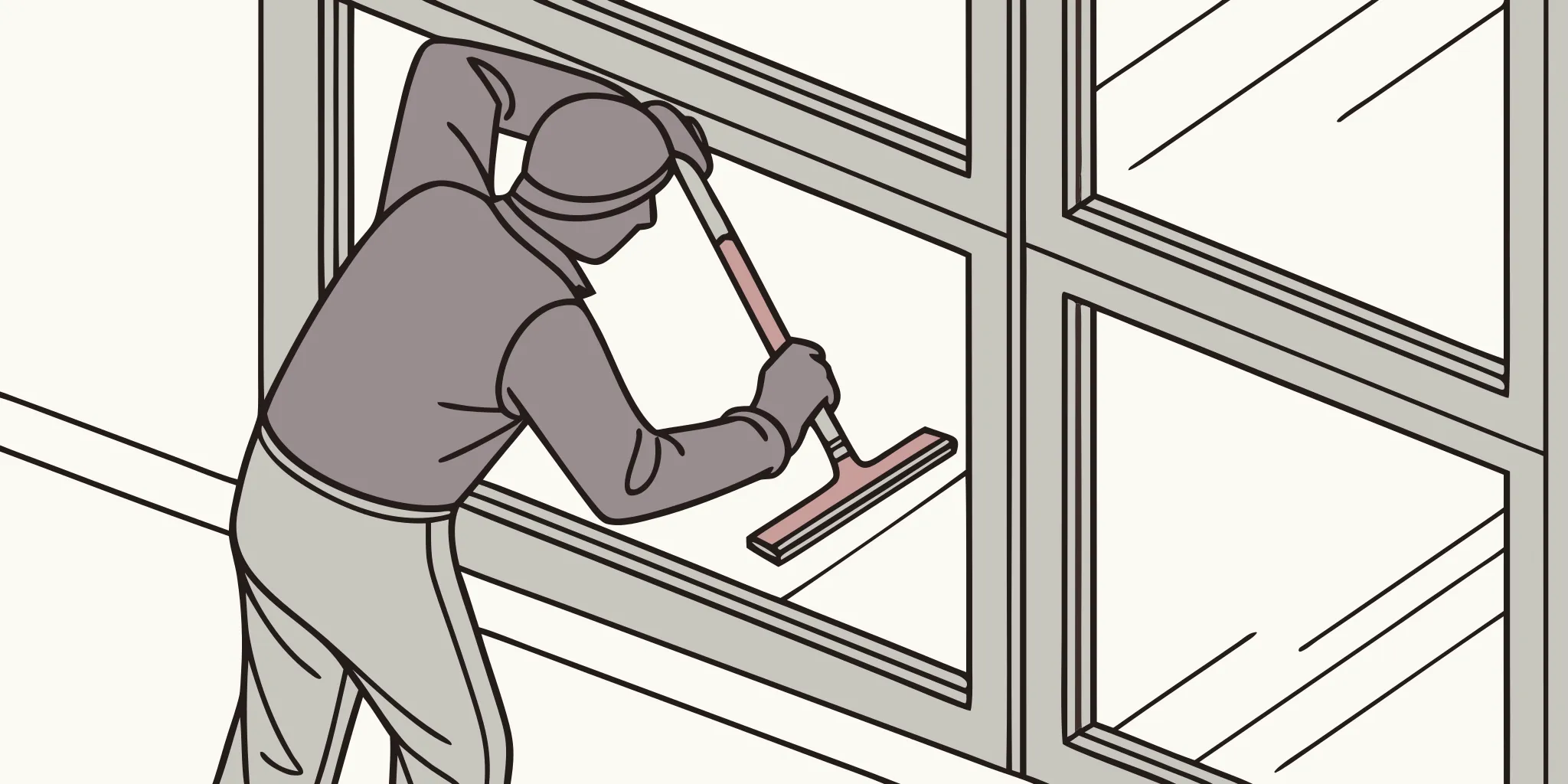
The primary difference between cast and calendered vinyl is dimensional stability. Cast vinyl undergoes no mechanical stretching during manufacturing, making it resistant to shrinkage and ideal for curved, riveted, or textured surfaces with 8-10 year lifespans. Calendered vinyl is stretched during extrusion and will shrink over time, making it suitable for flat applications with 3-5 year lifespans at a lower material cost.
Selecting between cast and calendered vinyl requires evaluating the specific demands of each installation. The table below summarizes the key differences to guide material selection for different project types.
| Property | Cast Vinyl | Calendered Vinyl |
|---|---|---|
| Manufacturing process | Liquid cast and cured | Extruded through rollers |
| Typical thickness | 2-5 mil | 3-7 mil |
| Dimensional stability | Excellent, minimal shrinkage | Moderate, prone to shrinkage |
| Conformability | High, wraps curves and rivets | Low, best on flat surfaces |
| Typical outdoor lifespan | 8-10 years with laminate | 3-5 years with laminate |
| Cost per square foot | Higher | Lower |
| Best applications | Vehicle wraps, murals, curved surfaces | Flat signs, window graphics, short-term promotions |
| Warranty availability | Up to 9 years vertical, 3 years horizontal | 1-3 years typically |
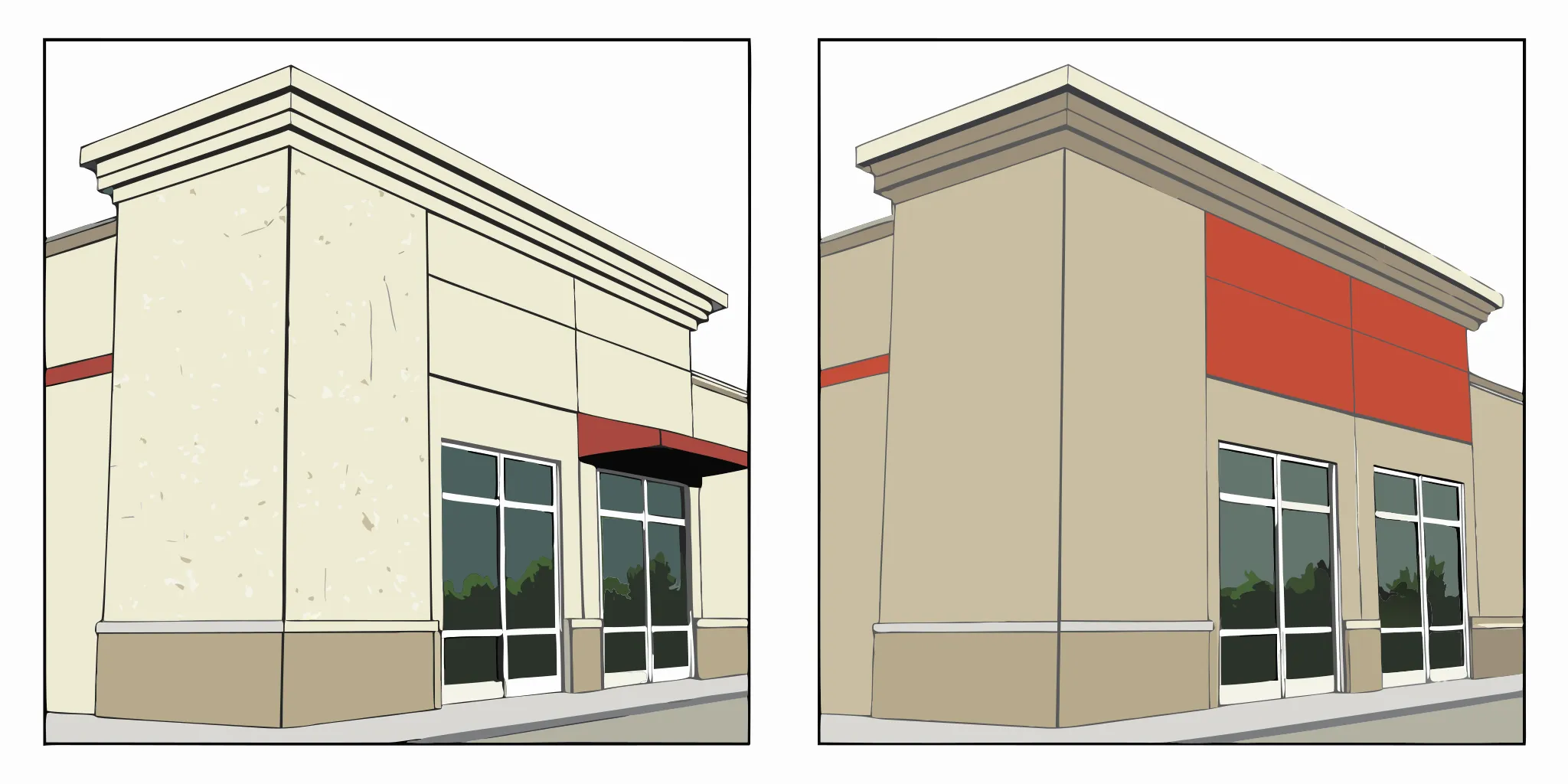
The decision between cast and calendered vinyl is not simply a budget calculation. A calendered film installed on a curved surface may fail within months, requiring full replacement with cast film and doubling the total project cost. The total cost of ownership analysis must consider material lifespan, replacement labor, and downtime for the client’s business operations.
Outdoor rated vinyl graphics last between 1 and 10 years depending on material, orientation, lamination, and climate. Cast vinyl with laminate in vertical applications lasts 8-10 years. Horizontal applications of the same material last 3-5 years due to higher UV accumulation and standing water. Calendered vinyl without laminate may fail within 1-2 years. Professional installation and geographic factors also significantly influence actual lifespan.
Lifespan expectations vary significantly based on material selection, geographic location, and installation quality. Understanding realistic durability timelines helps facilities managers, brand directors, and production planners budget maintenance cycles and replacement schedules.
Cast vinyl with laminate in vertical applications: 8-10 years. Vertical surfaces receive less direct UV exposure and shed rainwater more effectively, extending service life. The 3M MCS Warranty covers vertical cast film installations for up to 9 years when installed by a certified professional.
Cast vinyl with laminate in horizontal applications: 3-5 years. Horizontal surfaces experience more intense UV accumulation, standing water, and physical abrasion, all of which accelerate degradation. Designers should plan for more frequent replacement on horizontal surfaces.
Calendered vinyl with laminate in vertical applications: 3-5 years. This combination works for temporary promotions, seasonal campaigns, or interior-adjacent exterior applications where UV exposure is limited and appearance expectations match the shorter lifespan.
Calendered vinyl without laminate in any outdoor exposure: 1-2 years maximum. Without UV protection, color shift, chalking, and embrittlement occur rapidly. This configuration is rarely recommended for permanent installations.
Geographic factors also play a role. The Pacific Northwest’s moderate temperatures and frequent cloud cover can extend vinyl lifespan compared to desert environments with intense UV radiation. However, moisture and mildew growth present their own challenges in the region. For commercial graphics installations in the Pacific Northwest, material selection should account for both UV exposure and humidity patterns. AP Installations serves clients throughout Oregon, Washington, and nationwide with material recommendations tailored to each installation environment.
Each application type places different demands on vinyl materials. Matching the material to the specific use case prevents premature failure and unnecessary expenditure. Whether you are a business owner planning a storefront refresh or a print shop specifying materials for a client’s fleet.
Fleet graphics require cast vinyl almost exclusively. The compound curves, recessed panels, and rivets on commercial vehicles demand a film that conforms without lifting or tenting. Calendered vinyl lacks the flexibility to wrap body lines cleanly, and shrinkage over time pulls graphics away from panel edges. A professional fleet graphics installation using cast vinyl with high-performance adhesive ensures long-term adhesion through car washes and highway speeds. For fleet managers managing multiple vehicles, standardized material specifications across the fleet reduce complexity and ensure consistent appearance and durability.
Flat glass surfaces can accommodate either cast or calendered vinyl depending on the intended duration. Permanent branding for retail locations benefits from cast vinyl with a 9-year UV-rated laminate. Seasonal promotions or temporary campaigns can use calendered vinyl to reduce material costs, as the shorter exposure window aligns with the material’s natural lifespan. Perforated window film for one-way vision graphics typically uses cast vinyl to maintain conformability around window frames.
Building murals and architectural wraps require cast vinyl for textured surfaces like brick, concrete, or stucco. The film must bridge surface irregularities without telegraphing texture or losing adhesion. Calendered vinyl cannot conform to these substrates and will bridge rather than adhere, creating air pockets and eventual failure. Projects at height also require specialized safety equipment and installation protocols that a certified professional provides.
Floor graphics face unique challenges from foot traffic, rolling loads, and cleaning chemicals. Specialized floor-grade vinyl with aggressive adhesive and anti-skid texture is required. Standard cast or calendered films are not rated for floor applications and fail quickly under pedestrian traffic. For retail environments, floor graphics require careful material selection that balances durability with removability when the campaign ends.
Manufacturer warranties including the 3M MCS Warranty require professional installation by certified installers to remain valid. Certified installers follow documented surface preparation, temperature range, and application pressure specifications that directly affect film adhesion and longevity. The 3M Preferred Installer program includes intensive training and annual recertification, ensuring installations meet warranty conditions for the full rated lifespan of the material.
The most carefully selected vinyl material will fail prematurely if installation does not meet manufacturer specifications. This is where the difference between standard application and 3M Preferred Installer certified work becomes critical for warranty compliance.
Manufacturer warranties including the 3M MCS Warranty require installation by a certified professional. Key warranty conditions include:
A certified installer’s training covers these specifications in depth and ensures every installation follows documented procedures. The 3M Preferred Installer program includes five days of intensive training at 3M headquarters in St. Paul, Minnesota, covering material science, surface preparation, application techniques, and troubleshooting. Candidates must pass both written examinations and practical demonstrations, with annual recertification to maintain current best practices. Only approximately two companies in Oregon hold this certification.
For print shops, sign shops, and advertising agencies that sell large-format graphics but lack in-house installation expertise, partnering with a certified specialist preserves warranty coverage for end clients. It also protects the shop from liability claims. This wholesale vinyl installation partnership model allows shops to bid on complex projects they could not handle alone, expanding revenue opportunities without the overhead of an in-house installation crew.
Proper maintenance extends the service life of outdoor graphics and preserves their appearance. Implementing a routine care schedule prevents common failure modes and delays replacement costs, protecting the initial investment in materials and installation labor.
Clean outdoor graphics quarterly using a mild soap solution and soft cloth or sponge. Avoid pressure washers, which can force water under edges and cause delamination. Also avoid abrasive cleaners and solvent-based chemicals that degrade the laminate surface. For fleet graphics, hand washing is recommended over automatic car washes that use stiff brushes capable of scratching the laminate. Mild dish soap diluted in water provides effective cleaning without damaging the film.
Inspect installations every six months for edge lifting, blistering, fading, or cracking. Early detection allows spot repairs before damage spreads and requires costly full replacement. In the Pacific Northwest, inspections are especially important after the rainy season. Moisture trapped behind lifting edges can propagate delamination across the entire graphic within a single wet season, turning a small repair into a full replacement project.
South and west-facing installations receive more intense UV exposure and may require more frequent inspection. Graphics near heat sources such as kitchen exhaust vents or industrial equipment face accelerated degradation. In these environments, selecting a film with extended UV warranty and requesting thicker laminate provides additional margin against premature failure. For coastal installations, salt spray adds another degradation factor that should influence material selection toward marine-grade films where available.
Cast vinyl is the only recommended material for vehicle wraps. Its conformability, dimensional stability, and shrinkage resistance make it suitable for the compound curves and flexible panels on commercial vehicles. Calendered vinyl will lift and shrink over time, creating an unattractive appearance and voiding warranty coverage. All professional fleet graphics installations use cast vinyl with a compatible laminate.
Material costs for outdoor vinyl graphics generally range from $3 to $6 per square foot for materials plus labor. Depending on the film grade, laminate selection, and project complexity. Transit and airport projects involve additional costs for security clearance and logistical coordination. Contact AP Installations for a project-specific quote based on your material requirements and site conditions.
Yes, but only with cast vinyl applied to properly prepared and sealed surfaces. The textured substrate requires a film flexible enough to conform to surface irregularities without bridging. Professional surface preparation including cleaning, sealing, and priming is essential for long-term adhesion on masonry surfaces. An experienced installer will test the substrate before full application.
Common indicators include edge lifting beyond 1/8 inch, visible cracking or crazing of the film surface, and significant color shift or fading that affects brand color accuracy. Adhesive failure causing bubbles or tenting and laminate separation from the printed film are also warning signs. Address any of these issues promptly to prevent full graphic failure and costly emergency replacement.
Professional installation is recommended whenever warranty preservation is important, the substrate is curved or textured. The graphics are large-format requiring alignment across multiple panels, or when working at height on building wraps and murals. Manufacturer warranties including the 3M MCS Warranty require certified professional installation to remain valid. For print shops, professional installation eliminates liability for field failures and strengthens the client relationship through reliable project outcomes.
Selecting the right outdoor rated vinyl graphics material is the foundation of a successful installation, but material choice is only the first step. Professional installation by a certified team ensures your investment performs as expected and remains covered by manufacturer warranties. AP Installations brings 3M Preferred Installer certification, nationwide capability, and over a decade of specialized experience to every project. From single-storefront graphics to multi-vehicle fleet programs and large-scale building wraps.
Call (503) 924-6168 to discuss your upcoming project, or contact us online to request a consultation and project quote. We serve clients throughout the Pacific Northwest and nationwide.