An empty lobby, a plain hallway, or a fleet of unmarked vehicles sends a message, but it might not be the one you intend. Your physical space is a direct reflection of your brand, and leaving it blank is a missed opportunity to engage and inspire. While the idea of transforming your environment with vibrant graphics is exciting, the execution can be complex. From choosing the right materials for tricky surfaces to ensuring a bubble-free application, the details matter. A professional experiential graphics installer navigates these challenges for you, turning potential problems into seamless solutions and ensuring your brand looks its absolute best. If you are ready to transform your space, contact AP Installations or call (503) 924-6168 to discuss your project with a 3M Preferred Installer.
Key Takeaways
- Use your space as a strategic asset: Experiential graphics do more than just decorate; they turn your walls, windows, and floors into powerful tools for storytelling, guiding visitors, and building a tangible connection to your brand.
- Vet your installer like a business partner: The right installer is a collaborator who brings your vision to life. Look for proven experience by reviewing their portfolio, checking for professional certifications like 3M Preferred, and reading customer testimonials.
- A clear plan prevents costly problems: Define your project goals, budget, and timeline from the start. This upfront clarity allows your installer to recommend the best materials and solutions, ensuring a smooth process and a final result you love.
What Are Experiential Graphics and Why Do They Matter?
You’ve probably heard the term “experiential graphics” and wondered if it’s just another industry buzzword. In reality, it’s a powerful way to think about how your physical space communicates with people. Experiential graphics use visual elements like murals, signage, and branded art to turn a simple room or building into an immersive environment. It’s about more than just decoration; it’s about telling your brand’s story and creating a memorable connection with every person who walks through your door.
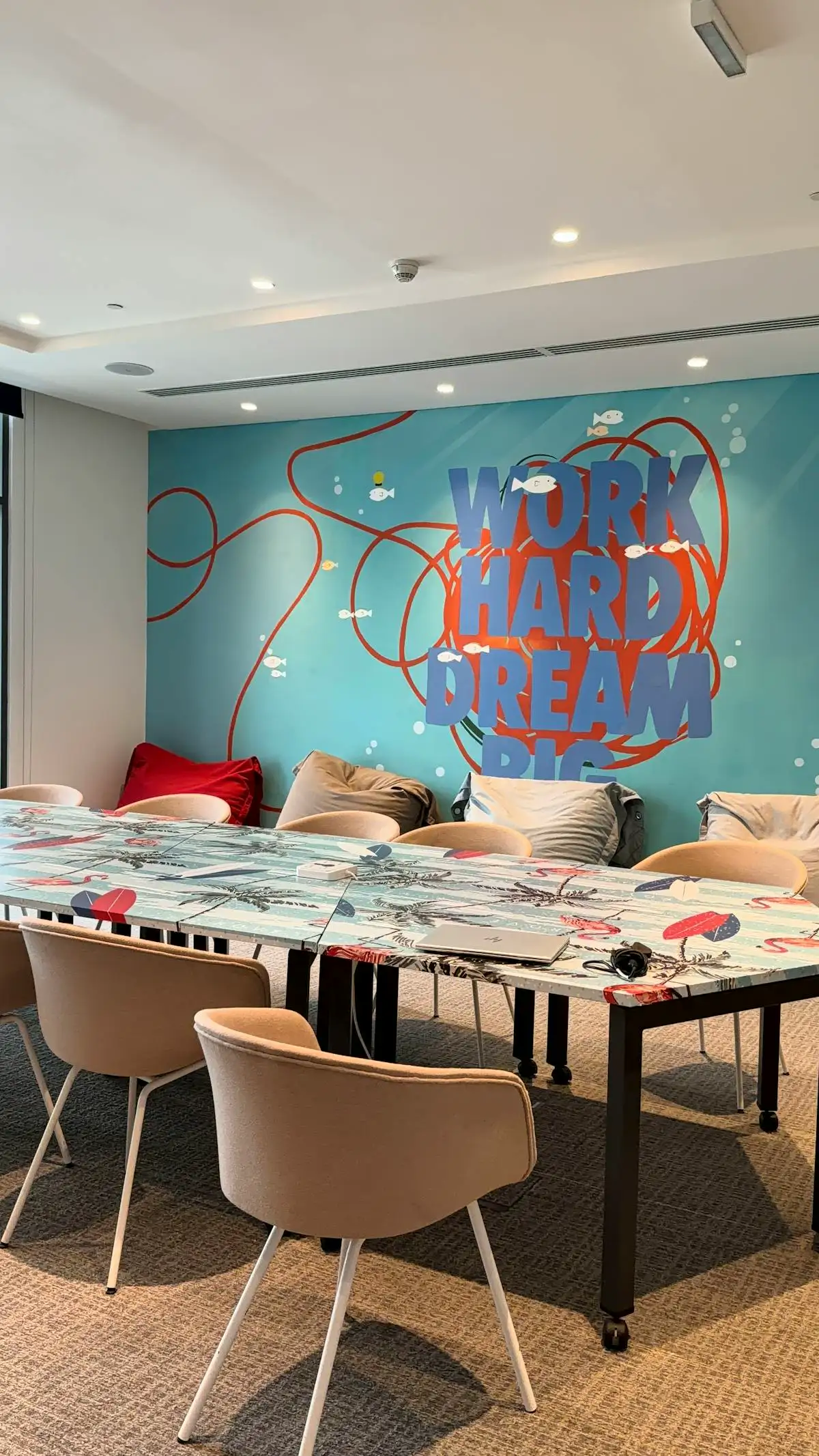
Think of your office walls, windows, and even floors as blank canvases. With the right design and professional installation, you can guide visitors, share your company’s values, and create a specific mood. These graphics are a strategic tool that can transform how customers and employees perceive and interact with your brand in a physical setting. From a stunning wall mural in your lobby to branded window graphics that add privacy, the possibilities are endless.
What Are Experiential Graphics?
At its core, experiential graphic design (XGD) is the practice of using graphics to shape a person’s experience of a place. It blends branding, interior design, and storytelling to make a space more engaging, informative, and easier to get around. This can include everything from a large-scale vinyl mural in your lobby that tells your company’s history to custom floor decals that guide people through your store. The goal is to craft experiences that connect people to your brand in a meaningful way, making your environment an active part of your communication strategy.
The Impact on Your Business and Brand
So, why does this matter for your business? Because well-executed experiential graphics can turn your physical space into a powerful asset. They make your brand tangible, helping to build a stronger connection with both customers and employees. For retailers, this can mean creating an omnichannel brand experience that strengthens customer loyalty and makes your store a destination. In a corporate setting, it can reinforce company culture and make the office a more inspiring place to work. Ultimately, every design detail helps people understand who you are and what you stand for, turning a simple visit into a lasting impression.
What Services Do Experiential Graphics Installers Provide?
When you think about an experiential graphics installer, you might picture someone simply applying a vinyl decal to a wall. While that’s part of the job, their services go far beyond that final step. A true professional is a partner who guides your project from an initial idea to a flawless finish and beyond. They bring a unique combination of technical skill, material knowledge, and creative problem-solving to the table.
Hiring an installer means you’re not just paying for a pair of hands; you’re investing in an expert who ensures your vision is executed correctly, looks incredible, and lasts for years. They handle the complex logistics so you can focus on the bigger picture: creating an environment that connects with your audience. From helping refine a design for a specific surface to fabricating custom elements and providing long-term care advice, their role is essential to the success of any branded space. At AP Installations, we manage every aspect of the process, offering a full suite of graphic solutions to bring your brand’s story to life.
From Concept to Design
The best time to bring an installer into the conversation is at the very beginning. Their practical expertise can be invaluable during the design phase. An experienced installer understands how different materials interact with light, texture, and architecture. They can advise your design team on what will work best for your space, helping to avoid costly revisions later.
By collaborating early, an installer can help solve design challenges before they become problems. They can suggest the right vinyl for a tricky textured wall or recommend a specific finish to reduce glare on a window graphic. This partnership ensures the final design is not only beautiful but also perfectly suited for the environment, reinforcing your company’s values through a seamless and professional application.
Custom Fabrication
Once the design is finalized, the installer moves on to custom fabrication. This is where your digital concept becomes a physical reality. Using specialized equipment and high-quality materials, they produce the graphics needed for your project. This process requires precision and a deep understanding of the materials being used, whether it’s vibrant wall murals, intricate window decals, or durable floor graphics.
A professional installer has access to top-tier materials that offer better color, longevity, and performance than off-the-shelf options. They know which products are best for high-traffic areas versus outdoor applications exposed to the elements. This expertise in fabrication ensures that every piece is crafted to the highest standard, resulting in a polished and impactful final look. You can see examples of this craftsmanship in our past projects.
Professional Installation
The installation day is where an installer’s skill truly shines. Professional installation is about much more than just sticking vinyl on a surface; it’s a meticulous process that guarantees a perfect, long-lasting result. It starts with proper surface preparation, which is critical for adhesion and a smooth finish. Installers use specialized tools and techniques to apply graphics without bubbles, wrinkles, or misalignments.
This level of precision is what sets a professional apart. As a 3M Preferred Installer, our team has undergone rigorous training and testing to prove our expertise. This certification is your assurance that your graphics will be installed correctly the first time, protecting your investment and making your brand look its best.
Ongoing Maintenance and Support
A great installer’s job doesn’t end when the final graphic is in place. They also provide the knowledge you need to care for your new installation. They can offer guidance on the best cleaning methods and products to use to keep your graphics looking fresh and vibrant without causing damage. This ongoing support helps extend the life of your investment.
Furthermore, should you need repairs or decide it’s time for a brand refresh, your installer is the best person to call. They understand how the original graphics were applied and can efficiently handle removals, updates, or replacements. Building a relationship with a trusted installer means you have a partner you can rely on for any future needs. If you have questions about maintaining your graphics, feel free to contact our team.
How to Choose the Right Experiential Graphics Installer
Finding the right installer is about more than just getting a graphic on a wall. You’re looking for a partner who can take your vision and make it a reality, someone who understands the nuances of your space and brand. The right team doesn’t just apply vinyl; they collaborate with you to create an environment that tells a story and connects with people. A great installation looks seamless and professional, but a poor one can cheapen your brand and waste your investment. So, how do you find a team you can trust? It comes down to doing a little homework and asking the right questions. By looking at their past work, verifying their credentials, and hearing what others have to say, you can feel confident you’re choosing an installer who will get the job done right.
Verify Their Experience and Expertise
When you’re vetting an installer, look beyond the number of years they’ve been in business. You want a team with relevant experience in projects like yours. Have they worked in similar spaces or with the same materials you have in mind? A seasoned installer acts as a true creative partner. They can offer insights early in the design process to ensure the final graphic feels fully integrated into the space, not like an afterthought. Ask about their collaborative process and how they handle challenges. A team with deep expertise will be able to guide you, troubleshoot potential issues, and deliver a final product that exceeds your expectations.
Review Their Portfolio
A portfolio is the best way to see an installer’s capabilities in action. As you browse their past work, look for projects that show both technical skill and creative vision. Do their installations transform the spaces they’re in? A strong portfolio should showcase a variety of applications, from intricate wall murals to large-scale fleet graphics. It’s proof that they can handle different challenges and materials. Pay attention to the quality of the finished product. Look for clean lines, smooth applications, and vibrant colors. Seeing their past projects will give you a clear idea of their style and whether it aligns with your brand’s aesthetic.
Check for Certifications
Certifications are a clear indicator of an installer’s commitment to quality and professionalism. Even the best materials can fail if they aren’t installed correctly, so you want a team that has been trained to meet the industry’s highest standards. A certification like the 3M Preferred Installer credential isn’t easy to get. It means the installers have passed rigorous hands-on and written exams, proving their mastery of proven installation techniques. Choosing a certified installer gives you peace of mind, knowing your project is in the hands of skilled professionals who use the right tools and methods to ensure your graphics look great and last for years.
Read Customer Reviews
Reviews and testimonials offer an honest look into what it’s like to work with an installer. While a portfolio shows the final product, reviews tell you about the entire experience. Look for feedback that speaks to their communication, professionalism, and ability to stick to deadlines and budgets. Do clients mention the team being easy to work with and responsive to their needs? Consistent positive feedback is a great sign that you’re dealing with a reliable company. Don’t hesitate to ask for references you can speak with directly. Hearing from a past client can give you the confidence you need to move forward.
What Types of Materials and Graphics Can Be Installed?
When you’re ready to bring a space to life, the materials you choose are just as important as the design itself. Experiential graphics aren’t limited to a single type of application; a professional installer can work with a wide range of materials to create a cohesive and immersive environment. The right material can completely change the mood of a room, ensure the longevity of your investment, and make your brand message resonate more deeply with your audience. Thinking through these options is a key part of the process. Do you need something temporary and vibrant for a seasonal campaign, or are you looking for a permanent, architectural feature that feels like part of the building itself?
An experienced installer helps you weigh these choices. They understand how different materials interact with various surfaces, lighting conditions, and foot traffic. They can recommend the perfect vinyl for a textured brick wall, suggest a fabric that will soften the acoustics in a loud lobby, or specify the right metal for an outdoor sign that needs to withstand Pacific Northwest weather. Exploring the full spectrum of graphic solutions allows you to find the perfect combination to achieve your goals. From vibrant vinyl that covers an entire wall to subtle floor decals that guide the way, understanding your options is the first step toward creating a truly impactful space.
Wall and Window Vinyl Graphics
Vinyl is easily one of the most versatile and popular materials, and for good reason. For walls and windows, vinyl graphics can completely transform a room, add privacy to a glass partition, or display a powerful brand message. Because they can be applied and removed without damaging surfaces, they are perfect for seasonal promotions, event branding, or campaigns that need regular updates. You can go big with a full-scale wall mural that tells your brand’s story or use intricate cut-vinyl lettering for a clean, minimalist look. These graphics are fantastic for creating engaging visual experiences that capture attention and make your space memorable.
Fabric and Textiles
Fabrics and textiles introduce a layer of texture, softness, and dimension that other materials can’t quite match. Think of large-scale fabric banners hanging from the ceiling, printed tapestries that add warmth to a sterile environment, or even projection-ready fabrics that can display high-resolution video content. According to industry experts, fabrics are transforming experiential design by creating immersive, sensory-rich spaces. They are excellent for dampening sound in large, open areas and can be used to build temporary walls or partitions, making them a flexible choice for events, trade shows, and retail environments where the layout might need to change. For event-specific execution steps, use our trade show graphics installation planning guide.
Metal and Acrylic Signage
For a more permanent and high-end feel, metal and acrylic signage are fantastic choices. These materials are often integrated directly into a building’s architecture to serve as primary brand identification or directional signs. Metal offers a sense of strength and timelessness, while acrylic can provide a sleek, modern finish with polished edges and vibrant, back-painted colors. Because of their durability, they are ideal for both indoor and outdoor use. These premium materials are often used for key focal points, like a logo in a reception area, and can be combined with other graphics to create a layered and sophisticated experiential graphic design.
Floor Graphics and Wayfinding
Don’t forget to look down! Floors represent a massive, often underutilized, canvas for branding and communication. Custom floor graphics can guide visitors through your space, highlight specific products, or simply add a surprising element of design. They are essential for effective wayfinding, helping people move through a complex environment intuitively without needing to constantly look for overhead signs. Modern floor graphics are incredibly durable, slip-resistant, and can adhere to a variety of surfaces, from polished concrete to tile and wood. You can see how effective they are in various projects that use the floor to enhance the overall user experience and reinforce brand identity from the ground up.
Common Challenges an Installer Helps You Overcome
Bringing a big visual idea to life is exciting, but turning a digital design into a physical reality involves more than just printing and applying a graphic. It requires navigating a series of practical challenges that can derail a project if they aren’t handled by an expert. This is where a skilled installer becomes your most valuable partner. They bring foresight and technical know-how to the table, transforming potential problems into seamless solutions. From the initial site survey to the final squeegee, they manage the details so you can focus on your business. An experienced installer does more than just put graphics on a surface; they anticipate issues with wall textures, advise on the best materials for longevity, and schedule the work to minimize disruption. They are the critical link between your creative vision and a flawless physical installation.
Working Within Your Budget
Sticking to a budget is one of the biggest concerns for any project. A professional installer acts as a strategic partner, helping you get the most impact for your investment. They can provide accurate, detailed quotes that prevent surprise costs down the line. If your initial concept is over budget, they can suggest alternative materials or application techniques that achieve a similar look without sacrificing quality. For any new experiential design project, having an expert guide you through material costs, labor, and long-term value is essential for making smart financial decisions and ensuring your vision is realized without breaking the bank.
Managing Project Timelines
When you have a grand opening, a major event, or a product launch on the calendar, deadlines are non-negotiable. A professional installer is an expert in project management, ensuring your graphics are installed on time, every time. They handle the logistics, from coordinating with other contractors on-site to preparing surfaces for a smooth application. Their experience allows them to create realistic timelines and anticipate potential delays before they become problems. By managing the schedule efficiently, they make sure your project is ready for its big debut. This reliability is crucial for complex installations where timing is everything.
Solving for Tricky Spaces
Not every surface is a smooth, flat wall. Your project might involve curved surfaces, textured brick, high-flung ceilings, or an entire fleet of vehicles with unique contours. These tricky spaces are where a certified installer truly shines. They have the technical expertise to select the right materials and adhesives for challenging environments, ensuring your graphics adhere properly and look flawless. Their work in Experiential Graphic Design often involves creative problem-solving to make graphics work within a unique architectural space. Whether it’s a complex wall mural or detailed fleet graphics, they have the skills to tackle any installation challenge.
Integrating with Your Brand
Your graphics are a direct reflection of your brand, and consistency is key. A professional installer understands the importance of brand integrity and pays meticulous attention to detail. They ensure that colors are perfectly matched, logos are scaled correctly, and the overall finish aligns with your brand’s standards. Their job is to make sure the final installation is a perfect representation of the approved design. By using high-quality materials and precise techniques, they reinforce brand identity and help you create a cohesive and memorable experience for your customers. This commitment to quality ensures your investment looks professional and polished.
What to Expect During the Installation Process
Bringing a vision for experiential graphics to life is an exciting process. While every project is unique, a professional installation follows a clear, structured path to ensure everything goes smoothly from start to finish. Knowing what to expect can help you feel confident and prepared. We handle the technical details so you can focus on the creative outcome. Here’s a look at the typical four-step journey we take with our clients.
Step 1: Consultation and Site Visit
Everything begins with a conversation. During our initial consultation, we focus on understanding your goals, your brand, and the story you want to tell. This is followed by a crucial site visit, where we assess the physical space. We’ll take measurements, check surface materials, and identify any potential challenges, like uneven walls or unique architectural features. This first step is all about gathering the information needed to create a solid plan. A thorough consultation ensures the final design is perfectly tailored to both your brand and your environment, setting the project up for success from day one.
Step 2: Design and Material Selection
Once we understand the scope of your project, we move on to the creative phase. If you have a design ready, we’ll review it to make sure it works for the chosen space. If you need design support, we can collaborate to develop concepts that align with your vision. A key part of this step is choosing the right materials. The material not only affects the look and feel but also the durability of your graphics. We’ll guide you through the options, from vibrant wall vinyl to durable floor graphics, helping you select the best materials to make a powerful and lasting impact.
Step 3: Production and Scheduling
With the design approved and materials selected, we head into production. This is where your digital designs are transformed into physical graphics. Our team uses state-of-the-art printing and fabrication technology to ensure every color is vibrant and every cut is precise. At the same time, we’ll work with you to schedule the installation. We understand that you have a business to run, so we aim to find a time that causes the least disruption to your operations. Clear communication and careful planning during this phase ensure all the components are ready for a seamless installation day.
Step 4: Installation and Final Walk-Through
This is the day your vision becomes a reality. Our team of certified installers will arrive on-site, fully prepared to get the job done efficiently and professionally. We take great care in our work, ensuring every graphic is applied perfectly, without bubbles, wrinkles, or misalignments. After the installation is complete, we’ll do a final walk-through with you. This is your opportunity to review the finished project, ask questions, and make sure every detail meets your expectations. Our goal is to leave you with a space that you’re absolutely thrilled with.
Current Trends in Experiential Graphics
Keeping your space fresh and engaging means staying aware of what’s new and effective in environmental design. Experiential graphics are constantly evolving, moving beyond static images to create truly memorable interactions. These trends aren’t just about looking modern; they’re about creating deeper connections with your audience, whether they’re customers walking into your store or employees collaborating in the office. By incorporating these ideas, you can transform a simple wall or window into a powerful storytelling tool. As you plan your next project, consider how these current movements can help you create a space that not only looks great but also feels alive and speaks directly to the people in it.
Interactive and Tech-Integrated Displays
Static displays are making way for dynamic, interactive experiences. Technology is playing a huge role here, with brands using elements like augmented reality (AR) to make their graphics come to life through a visitor’s smartphone. Imagine a wall mural that reveals hidden animations or product information when viewed through an app. This approach creates a memorable, multi-layered experience that encourages people to engage directly with your space. While the digital components require a tech partner, the foundation is a high-quality graphic installation. A professional installer ensures your vinyl graphics are perfectly applied, creating a seamless canvas for any digital magic you want to add.
Sustainable and Eco-Friendly Materials
Conscious consumerism is on the rise, and your brand’s physical space is a great place to show you care. More businesses are choosing sustainable materials for their experiential graphics, from recycled substrates to PVC-free vinyl and eco-solvent inks. Opting for eco-friendly materials doesn’t mean you have to compromise on quality or visual impact. In fact, it can enhance your brand’s story by aligning your physical environment with your company values. An experienced installer can guide you through the best green material options that are durable, vibrant, and better for the planet, helping you make a statement that goes beyond aesthetics.
Dynamic and Changeable Graphics
In a fast-moving market, your messaging needs to be agile. That’s why dynamic and changeable graphics are becoming so popular. Instead of permanent installations, businesses are using modular systems and easily replaceable vinyl graphics to keep their environments current. This flexibility is perfect for retail promotions, seasonal campaigns, or updating branding in an office without a major overhaul. For example, a retail store can swap out window graphics to announce a sale, or an office can update a wall mural to celebrate a new milestone. This approach keeps your space feeling fresh and relevant, allowing you to adapt your message as your business grows and changes.
Hyper-Personalization and Customization
One-size-fits-all branding is a thing of the past. Today, it’s all about creating tailored experiences that resonate with a specific audience. Hyper-personalization in experiential graphics means designing spaces that speak directly to the people using them. This could look like a custom wall mural in a corporate office that reflects the team’s unique culture or floor graphics in a children’s hospital designed to be calming and playful. By using data and insights about your audience, you can create a custom environment that feels personal and intentional. This level of customization makes people feel seen and understood, fostering a much stronger connection to your brand.
How Much Do Experiential Graphics Projects Cost?
Figuring out the cost of an experiential graphics project is a lot like pricing out a kitchen remodel. The final number depends entirely on the size of the space, the materials you choose, and the complexity of the job. While there’s no one-size-fits-all price tag, understanding the key factors that influence cost will help you set a realistic budget and make informed decisions for your space.
What Influences the Cost?
Three major considerations shape the cost of any experiential design project: your budget, your timeline, and the installation space itself. The scope of your vision is the biggest factor. A single, simple wall mural will cost less than a complete environmental branding package with graphics on walls, windows, and floors. The materials also play a huge role. High-performance films and custom-cut acrylics will have a different price point than standard vinyl. Finally, the installation site matters. A smooth, easily accessible wall is more straightforward to work with than a textured surface or a high ceiling that requires special equipment. All these details contribute to the final project quote.
How to Plan Your Budget
Having a clear understanding of your budget is the first step to a successful project. It allows for better planning and helps you and your installer avoid unexpected costs down the road. Start by defining what you want to achieve. Are you trying to inspire your team, guide visitors through your space, or tell your brand’s story? Knowing your goal helps determine the project’s scope. When you’re ready, ask for an itemized quote that breaks down the costs for design, materials, and installation. This transparency ensures you know exactly where your investment is going. Don’t be afraid to share your budget with your installer; a great partner can suggest creative graphic solutions that align with your financial plans.
Understanding Timelines and Rush Fees
Timelines can significantly impact your project’s cost, especially if you’re in a hurry. A standard project moves through several phases, including consultation, design, production, and scheduling, all of which take time to do right. If you need an installation completed on a tight deadline, rush fees may apply. These fees cover things like expedited material shipping or overtime for the production and installation teams to get your project across the finish line. The best way to avoid these extra costs is to plan ahead. By starting the conversation with your installer early, you allow plenty of time for a smooth, stress-free process and ensure your finished project looks incredible without breaking the bank.
How to Maintain Your Experiential Graphics
Your new graphics are installed and look incredible, but the work doesn’t stop there. A little bit of maintenance will keep your investment looking sharp and extend its lifespan significantly. The good news is that caring for high-quality vinyl graphic solutions is straightforward. By building a few simple habits, you can ensure your murals, window displays, and fleet graphics continue to represent your brand beautifully for years to come.
Simple Maintenance Routines
The easiest way to protect your graphics is with a consistent, gentle cleaning routine. For interior wall and window graphics, a weekly dusting or a wipe-down with a soft, dry cloth is often all you need to prevent dust and grime from building up. For high-contact surfaces like floor graphics or exterior vehicle wraps, you may want to inspect them more frequently. Think of it as a quick check-in. Taking a moment to wipe away smudges or dirt not only keeps the graphics looking pristine but also helps you spot any minor issues before they become bigger problems.
Proper Cleaning and Care
When your graphics need a more thorough cleaning, the key is to be gentle. We recommend using a simple mixture of mild soap and water with a soft cloth or sponge. It’s important to use non-abrasive cleaners to preserve both the vinyl and its adhesive backing. Avoid harsh chemicals, abrasive scrubbing pads, and pressure washers, as they can cause colors to fade or edges to peel. For floor graphics, a damp mop works perfectly well for regular upkeep. This simple approach ensures your graphics stay vibrant without risking any damage to the material.
Knowing When It’s Time for a Refresh
Even the most durable, well-maintained graphics have a lifespan. It’s a good practice to inspect your installations every few months to check for signs of aging. Look for common wear like peeling edges, fading colors from sun exposure, or scratches in high-traffic areas. Catching these issues early can sometimes lead to a simple repair. However, if the graphics look tired or outdated, it might be time for a refresh. This is a great opportunity to update your branding or introduce a new campaign. A new installation can completely revitalize your space and keep your environment feeling fresh and current.
Related Articles
- Retail Graphic Installation: The Ultimate Guide
- Expert Guide to Corporate Office Wall Graphics in Sacramento
- The Guide to Window Graphics for Business
- The Essential Guide to Business Window Graphics
- Business Window Graphics: Design, Materials & Installation Tips | AP Installations
Regular signage tells you where to go, but experiential graphics make you feel something once you get there. While a sign might point to the conference room, an experiential graphic can turn the entire wall into a visual representation of your company’s mission. It’s about using your physical space to create an immersive environment that tells your brand’s story, rather than just providing information.
The lifespan of your graphics depends on the material used and where it’s installed. High-quality indoor graphics, like a wall mural in a lobby, can look great for many years with proper care. Outdoor installations or graphics in high-traffic areas, like floor decals or vehicle wraps, are made with more durable materials but will naturally have a shorter lifespan due to exposure.
Absolutely. A smooth, flat wall is straightforward, but most spaces have challenges like textured brick, concrete, or curved surfaces. A certified installer knows which specific materials and techniques to use to ensure the graphic adheres properly and looks seamless, no matter the surface.
Yes, one of the best features of professional vinyl graphics is that they are designed to be removable. When high-quality materials are used and removed correctly, they typically do not damage the underlying surface, like a properly painted wall. This makes them a flexible and low-risk way to transform a space.
This certification means our installers have passed rigorous, hands-on testing from 3M to prove we have mastered the best installation techniques. It’s a guarantee that we are using the right tools and methods to ensure your graphics not only look flawless but also last as long as they should.