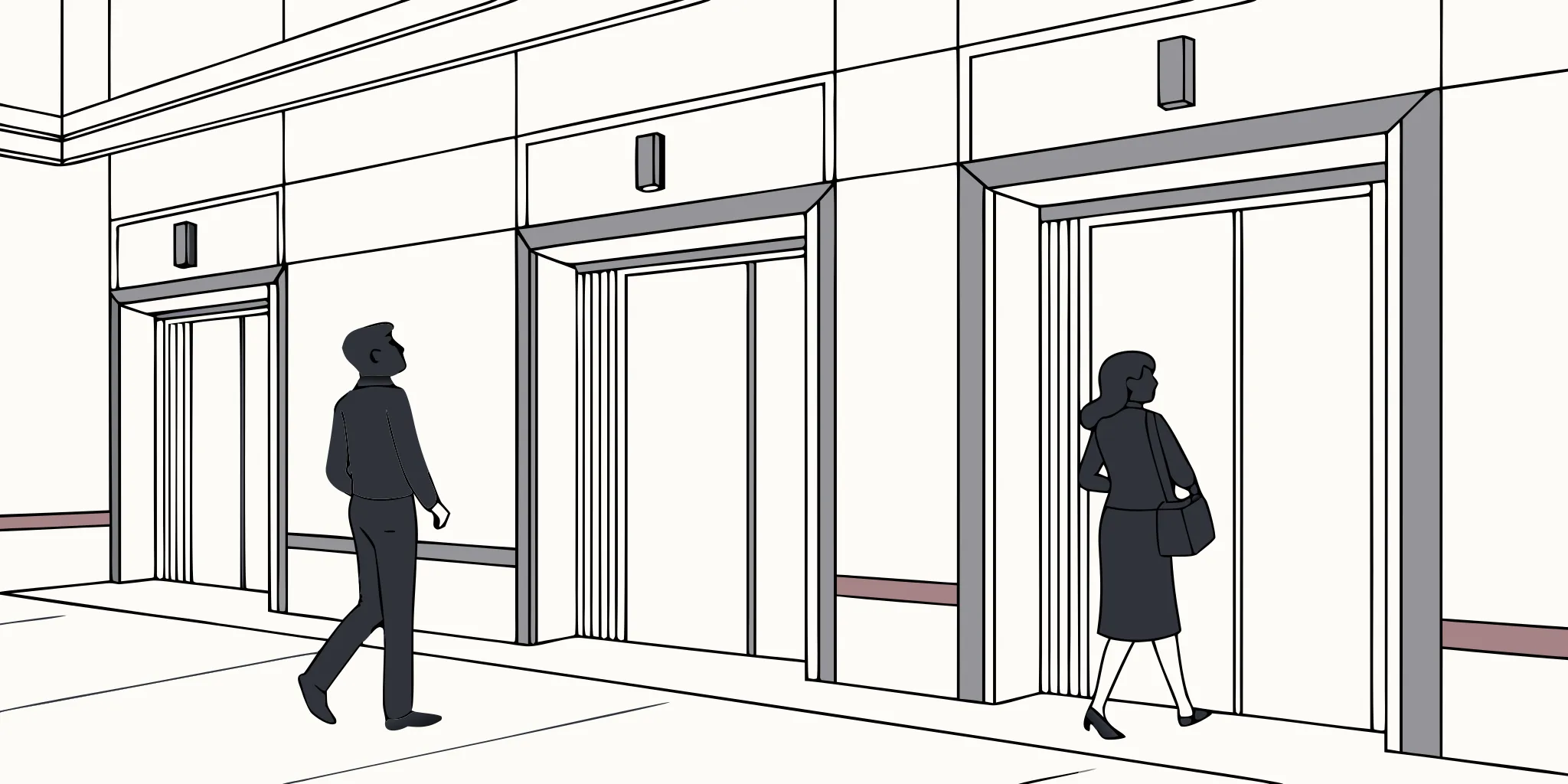
Elevator doors are among the most visible surfaces in a commercial property. They open and close all day, sit directly in a guest’s line of sight, and create a natural pause where people notice a message. Elevator door wraps turn that space into a branded feature without replacing the doors themselves.
Ready to plan your elevator door wrap project? Contact AP Installations to coordinate a professional installation.
A successful wrap project requires more than an attractive design. The team must assess the surface, coordinate with building and elevator professionals, choose suitable materials, plan around moving door panels, and install the film during an approved work window. This guide helps property managers and brand teams prepare each part of that process.
AP Installations is a 3M Preferred Installer serving the Pacific Northwest. Our team provides professional vinyl graphic installation for businesses and organizations. We coordinate installation details with the people responsible for your property and elevator system, while those parties retain authority over operational and code decisions.
Elevator door wraps start with a precise site assessment
AP Installations recommends starting every elevator door wrap project with a site assessment. It gives the design, production, and installation teams a shared view of the work and identifies issues before graphics are printed. Each elevator opening should be assessed individually, even when several doors appear identical.
Measure every visible and moving surface
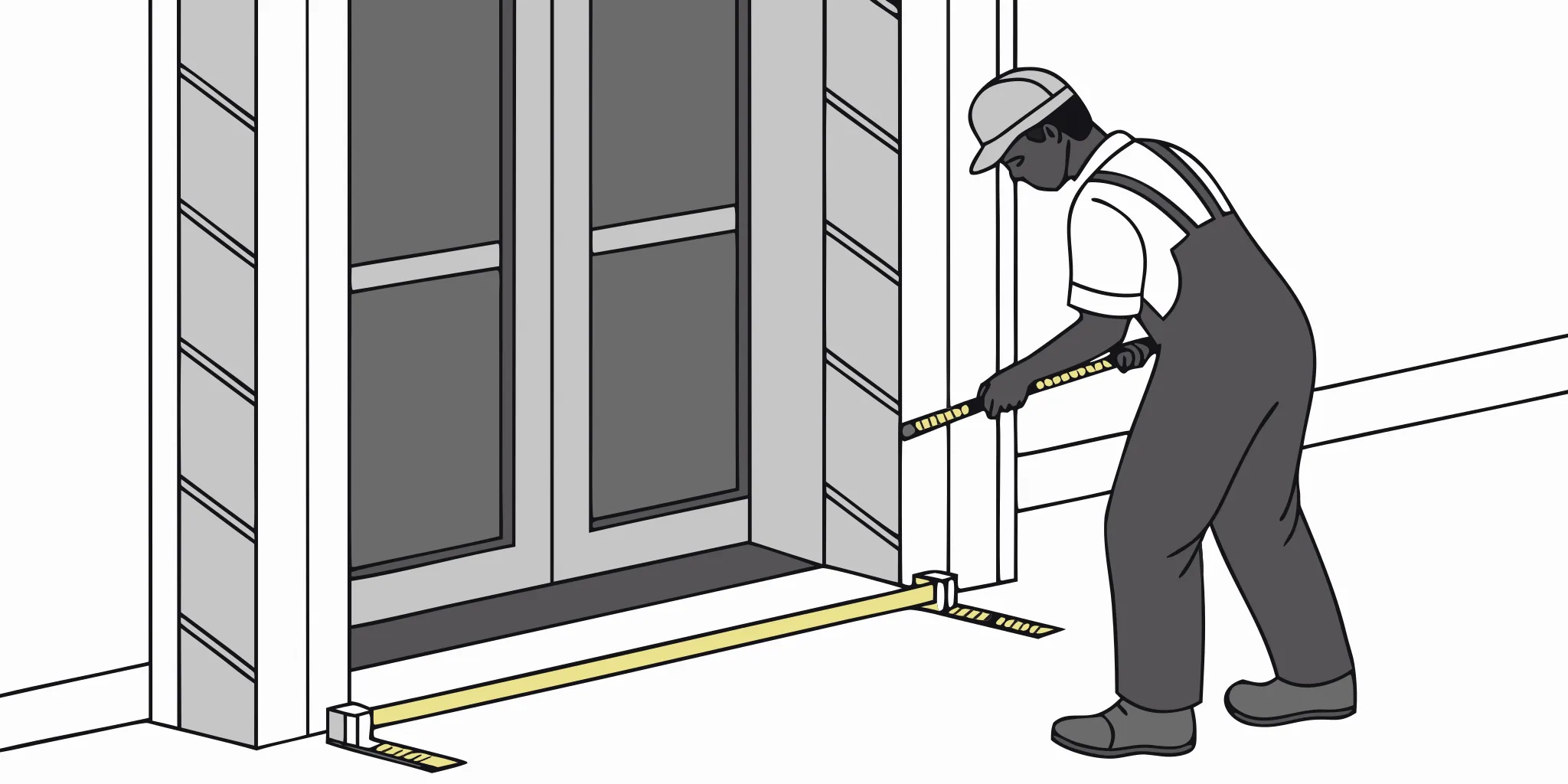
The survey should document the width and height of each door panel, the center split, edges, returns, transom, and nearby surfaces included in the design. It should also record gaps and clearances around the doors. Photos with measurement references help the production team understand how the artwork will meet at the center and where it must end.
The survey must note sensors, labels, indicators, call buttons, and other functional items near the graphic area. A wrap cannot interfere with door movement, required markings, or elevator components. The property manager and elevator service provider should confirm which areas must remain clear.
Inspect the substrate before choosing film
Vinyl adheres best to a clean, sound, compatible surface. The installer checks for dents, deep scratches, corrosion, loose coatings, residue, wax, oil, and previous adhesive. A graphic can improve the appearance of a door, but it will not hide every defect beneath it. Raised damage and poor coatings may remain visible or affect adhesion.
Surface type also matters. Painted metal, bare metal, and specialty finishes can behave differently with the same adhesive. When compatibility is uncertain, the project team can review manufacturer guidance and consider a small test patch in an approved location. Learn more about AP Installations’ commercial vinyl installation solutions.
Document access and site conditions
The survey should record loading access, parking, floor protection needs, available staging space, and building work-hour rules. It should also identify the person authorized to approve the completed installation. See examples in the AP Installations project gallery. Clear site notes help the installation crew arrive with the right tools and reduce disruption for tenants and guests.
Coordinate code, safety, and elevator operations early
AP Installations treats elevator doors as active building systems, not ordinary walls or doors. The property team should involve the elevator service provider and other required stakeholders before approving a wrap. This coordination defines what can be covered, who can take the elevator out of service, and when work may occur.
Confirm roles and approvals
The property manager is usually the best person to lead coordination. Depending on the building and jurisdiction, the team may also need input from the elevator service company, facilities staff, safety personnel, ownership, and the authority responsible for applicable building or fire requirements. AP Installations can provide installation information and work from the approved plan, but does not make code determinations for the property.
Ask the appropriate reviewers to check material documentation, graphic placement, required labels, door clearances, and any rules that apply to the site. Keep written approvals and current product data with the project file. This makes the final installation plan easier to follow.
Build an operational plan
- Name the project lead. Choose one person who can coordinate the brand, property, elevator, and installation teams.
- Review the survey. Confirm the exact surfaces to be wrapped and all areas that must remain clear.
- Approve materials and artwork. Share current product information and final proofs with the required reviewers.
- Set the work window. Arrange an approved elevator shutdown and plan for tenant or guest traffic.
- Prepare the work area. Confirm access, barricades, signs, staging space, and site contacts.
- Define reopening steps. Identify who will inspect the completed work and authorize the elevator’s return to service.
Plan communication for building users
A wrap installation may temporarily change elevator access. Property teams should tell occupants what will happen, when it will happen, and which alternate route to use. Clear signs and advance notices reduce confusion. For hotels, offices, healthcare settings, and public facilities, plan the work for a lower-traffic period when possible.
Choose materials for the surface and service conditions
AP Installations evaluates material choices against the approved surface, intended display period, cleaning routine, and traffic level. There is no single film that fits every elevator door. The installer, print provider, property team, and other reviewers should choose a compatible system based on current manufacturer documentation.
Match adhesive and film to the project
A short campaign may prioritize planned removal, while a long-term branded installation may place more weight on durability and finish. Door material and coating influence the adhesive choice. The team should also consider whether the doors are frequently touched, bumped by carts, or cleaned with strong products.
Air-release features can help a trained installer manage air during application. Lamination may add protection and change the appearance of the print. Matte, satin, and gloss finishes each create a different visual effect, so approve a sample under the actual lobby lighting when appearance is critical.
Compare short-term and long-term wrap goals
| Planning factor | Short-term campaign | Long-term branding |
|---|---|---|
| Primary goal | Promote an event, tenant, or seasonal message | Create a lasting branded feature |
| Removal plan | Set a removal date before installation | Inspect over time and replace when needed |
| Artwork approach | Timely message with clear campaign dates | Evergreen design aligned with the property |
| Material review | Focus on approved display period and removal | Focus on service conditions, finish, and upkeep |
| Handoff needs | Removal contact and original surface notes | Cleaning guidance and inspection schedule |
Review maintenance before approval
Ask how the selected film and laminate should be cleaned, what products to avoid, and how edge damage should be handled. Share that information with the janitorial team before the wrap is installed. A material that looks right on proof day still needs to fit the building’s real cleaning and use conditions.
Need a practical material and installation review? Explore our vinyl graphics installation capabilities, then contact AP Installations about your site.
Design artwork around doors that move
Elevator door graphics are viewed both closed and in motion. The design must work across two panels, a center gap, and edges that disappear as the doors open. Artwork that ignores this movement can look misaligned even when it was installed precisely. The same planning discipline supports broader visual changes described in our retail rebranding with vinyl graphics guide.
Protect key content from gaps and edges
Keep logos, faces, small text, QR codes, and other critical details away from the center split and outer trim zones. A small shift in viewing angle can change how content near a gap appears. Put the main message where it stays clear when the doors are closed, and avoid layouts that depend on a perfectly invisible seam.
Designers should use the verified site measurements rather than a generic elevator template. If several elevators form one campaign, label each artwork file and panel clearly. This helps production and installation teams place every graphic on the intended opening.
Approve proofs with context
A flat proof is useful, but a mockup placed over a photo of the actual elevator gives stakeholders more context. Review the design from common approach angles and typical viewing distances. Check how it relates to nearby signs, wall finishes, lighting, and wayfinding.
Color can also look different under lobby lighting than it does on a screen. When brand color is important, discuss production proofs or samples with the print provider. Record the approved version and make sure the installation crew receives the same panel map.
What happens during elevator door wrap installation?
AP Installations follows the approved plan and work window during professional installation. Exact methods vary by film, surface, site, and elevator configuration. The installer follows relevant manufacturer guidance and coordinates with the property and elevator teams throughout the job.
Secure the area and prepare the doors
The authorized team takes the elevator out of service and controls the work area. Signs and barriers help direct building users away from the opening. The installer then confirms the artwork, panel labels, surface condition, and measurements before application starts.
Surface preparation removes contaminants that could affect adhesion. The cleaning method must suit both the film and the door finish. The installer should not cover unresolved corrosion, loose coatings, or unexpected damage without discussing it with the project lead.
Align, apply, and trim the graphics
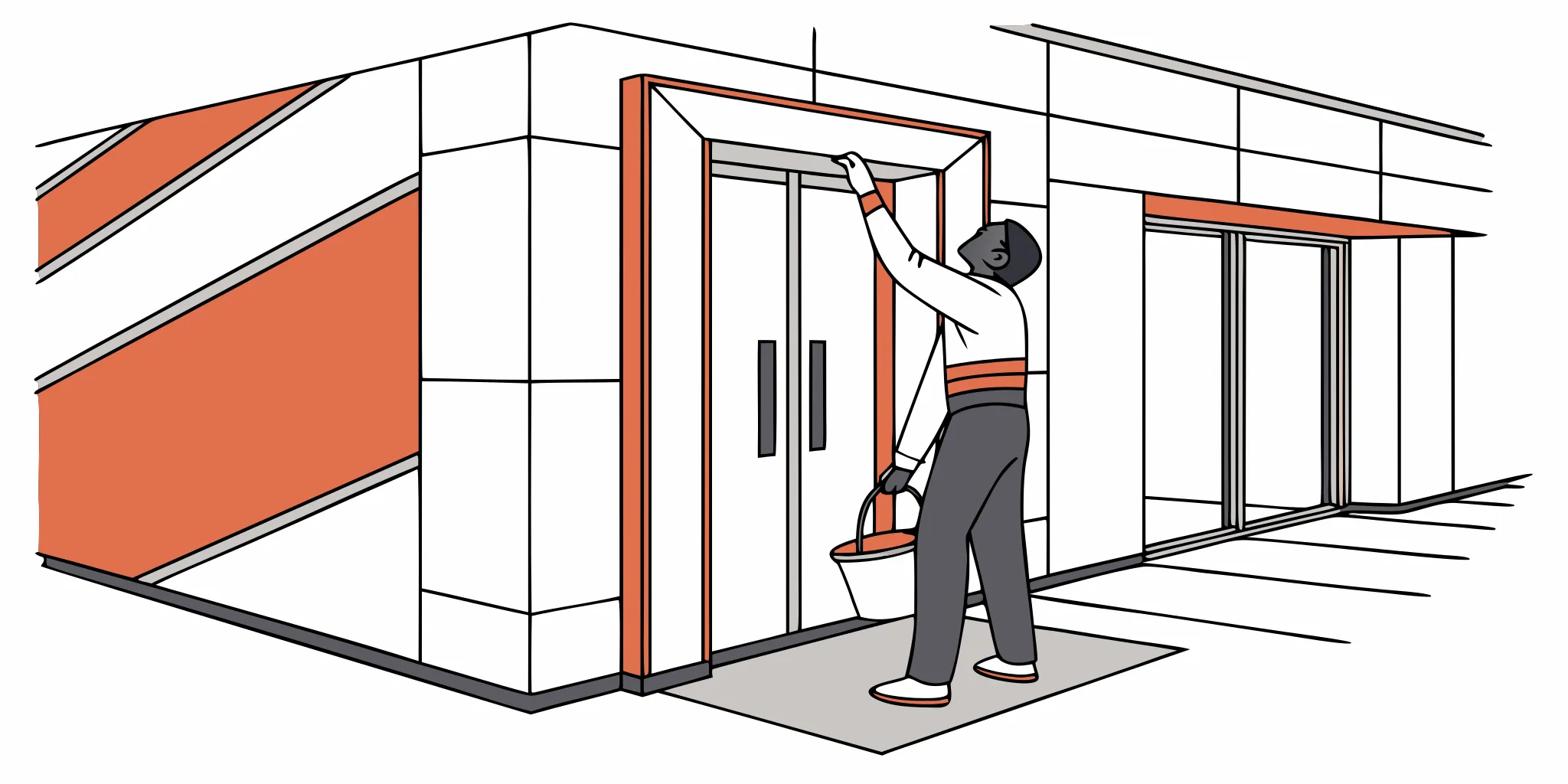
The installer checks alignment before committing the film to the surface. This is especially important for artwork that crosses the center split. The film is then applied with controlled pressure using techniques suited to the selected material.
Edges and openings require careful finishing. The graphic must end where the approved plan shows, without blocking sensors, required markings, or functional parts. Precise trimming and consistent pressure help create a clean result. AP Installations’ certified installation experience supports this detail-focused process.
Inspect before the elevator reopens
After application, the installer reviews alignment, edges, seams, and overall appearance. The elevator and property teams complete any checks required under the site’s operating plan. Concerns should be documented and addressed before the area is released.
The project lead should receive material details, cleaning guidance, photos, and notes about any future follow-up. A clear handoff protects the finished work and gives facilities staff a reliable point of reference.
How do you maintain elevator door wraps?
AP Installations recommends routine care to preserve appearance and catch small issues before they grow. The property team should follow the film manufacturer’s current cleaning guidance and the handoff instructions provided for the project. Share those instructions with every team that cleans or maintains the elevator area.
Use an approved cleaning routine
Use cleaning products and tools that are compatible with the wrap system. Avoid aggressive scrubbing or unapproved chemicals that may dull the finish or affect edges. Clean spills and visible marks in line with the approved routine, then check that no moisture or residue remains along seams.
Watch edges and impact zones
Include the wrap in normal property inspections. Look for lifted edges, cuts, scuffs, or damage near high-contact areas. Report an issue promptly rather than applying tape, glue, or an improvised patch. A professional can assess whether a small repair or replacement panel is the better option.
Plan removal or replacement
Brand campaigns change, and even long-term graphics eventually need replacement. Keep the original material information and installation records so a future team can plan removal correctly. Professional removal helps manage the process and gives the team a chance to assess the underlying surface before a new wrap is installed.
Frequently asked questions about elevator door wraps
Can vinyl graphics be installed on any elevator door?
Not automatically. The door surface, coating, condition, clearances, components, and site requirements must be reviewed first. The property and elevator teams should approve the graphic area and material plan before production.
Do elevator door wraps need approval?
Approval needs vary by property and jurisdiction. Coordinate with the property manager, elevator service provider, and any other required authority. The installation partner can provide product and process information, but the responsible parties determine what is approved for the building.
Can a design cross the center gap?
Yes, but the designer must account for the split and door movement. Keep critical text and logos away from the gap. A photo mockup and accurate measurements help the team judge how the design will look when closed.
How should a wrapped elevator door be cleaned?
Follow the current cleaning guidance for the selected film and laminate. Give those instructions to facilities and janitorial teams. Avoid unapproved tools or chemicals, and report damaged edges rather than attempting an improvised repair.
Plan your elevator door wrap installation
Early coordination protects the design, installation window, and day-to-day operation of your property. It also gives every reviewer time to resolve surface, material, access, and artwork questions before graphics arrive on site.
Ready to plan a professional project? Contact AP Installations to discuss elevator door wraps for your commercial property.