Blog
Window Graphics for Business: Types and Installation Guide
Compare business window graphic types and installation considerations with AP Installations, a 3M Preferred Installer.
Blog
Compare business window graphic types and installation considerations with AP Installations, a 3M Preferred Installer.
Your storefront windows are one of the most powerful marketing tools you already own, and most businesses never use them to their full potential. Whether you run a single retail location or manage branding across dozens of offices, professional window graphics can transform empty glass into a 24/7 billboard that builds trust, drives foot traffic, and reinforces your brand at a fraction of the cost of digital advertising. If you are ready to put your windows to work, contact the team at AP Installations or call (503) 924-6168 to discuss your project with a certified vinyl graphics expert. For related planning details, see AP Installations’ window vinyl installation process.
This guide walks you through everything a business owner or operations manager needs to know before investing in commercial window graphics. From selecting the right type of vinyl to understanding local compliance rules, measuring ROI, and choosing an installer who will protect your investment, you will find the strategic framework you need to make a confident decision. For related planning details, see AP Installations’ business window graphics in Portland.
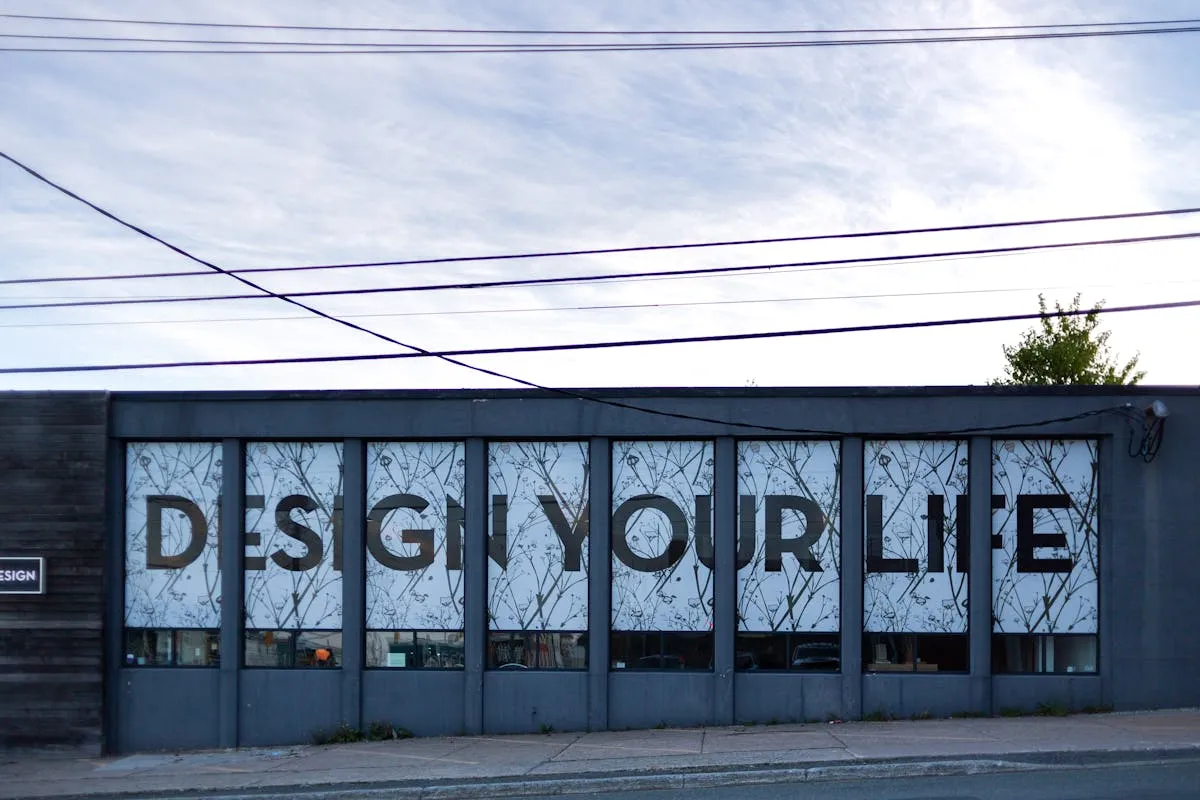
Window graphics are custom-designed visual displays printed on durable vinyl film and applied directly to glass surfaces. They serve as a versatile branding and communication tool for businesses of every size, from a single-location coffee shop to a national retail chain rolling out seasonal campaigns across hundreds of storefronts.
The term covers a broad range of products. Full-color opaque decals, see-through perforated films, elegant frosted vinyl, and temporary static clings all fall under the window graphics umbrella. The material you choose depends on your goals: do you want to maximize privacy, preserve natural light, create a bold visual statement, or run a short-term promotion?
At their core, window graphics turn a passive architectural element into an active business asset. Instead of letting your glass sit empty, you transform it into a communication channel that works around the clock, reaching every person who walks or drives past your location.
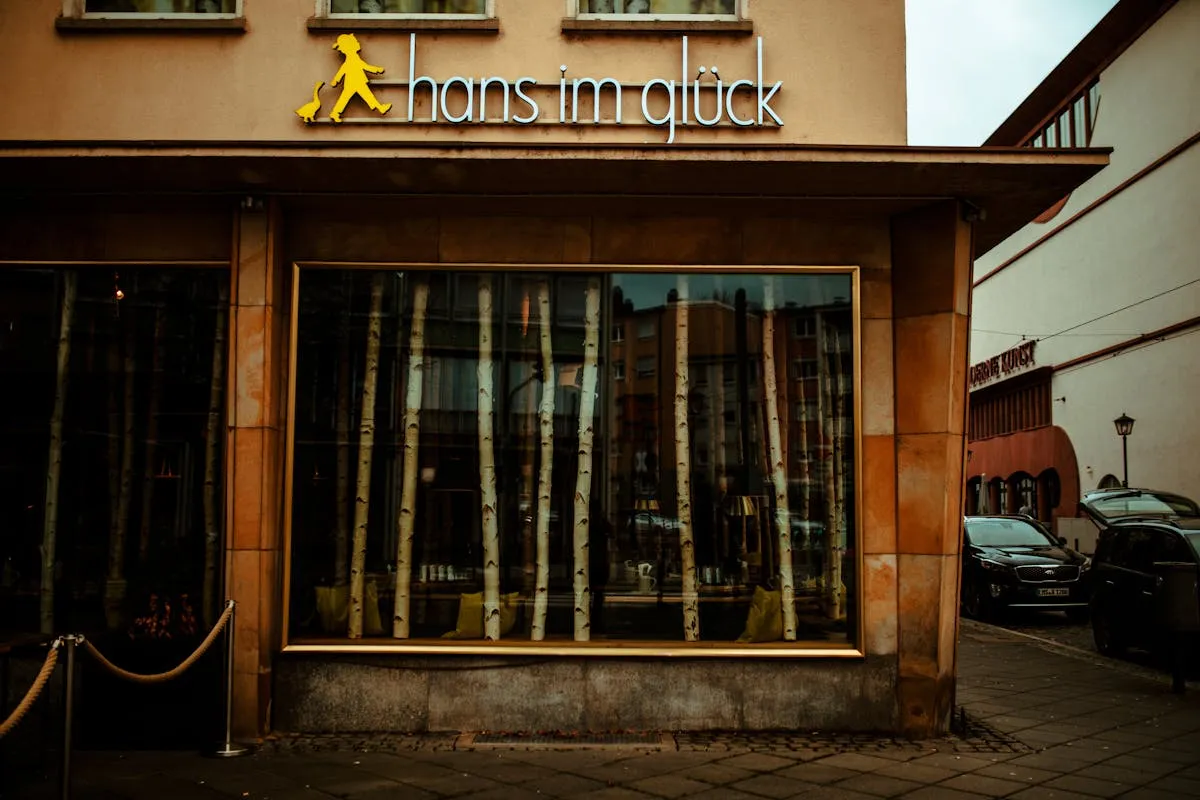
Choosing the right window graphic starts with a simple question: what do you want your windows to accomplish? The answer determines the material, design approach, and installation method. Here is how the main options compare.
Opaque vinyl is a solid, non-transparent material that blocks visibility from both sides. It creates a bold canvas for full-color graphics, logos, and large-format imagery. Made from durable 4 mil permanent adhesive vinyl, it is waterproof, UV-resistant, and built to last in demanding weather conditions.
Best for: Complete window coverage, bold branding statements, blocking interior views, creating total privacy for conference rooms or ground-floor offices.
Trade-off: It blocks all natural light through the covered area, so it works best on windows where interior illumination is not a priority.
Perforated vinyl is one of the most popular commercial options because it solves a common challenge: how do you display a large advertisement without sacrificing interior visibility? The material features tiny, evenly spaced holes that create a full-color image when viewed from outside while allowing people inside to see through it clearly.
Best for: Full-window advertisements, storefront displays, vehicle rear windows, and any scenario where you need branding on the outside without darkening the interior.
Trade-off: The see-through effect works best when the interior is darker than the exterior. At night with interior lights on, the transparency can reverse.
Frosted vinyl replicates the look of sandblasted glass at a fraction of the cost. It creates a soft, translucent surface that obscures visibility while allowing natural light to pass through. It can be cut into custom patterns, logos, or decorative borders for a clean, sophisticated look.
Best for: Office privacy solutions, conference room glass, spa and wellness centers, professional service firms wanting a polished aesthetic.
Trade-off: Frosted vinyl is not ideal for detailed, full-color imagery. It works best for logos, patterns, and text-based designs.
Static clings adhere to glass using static electricity rather than adhesive, making them easy to apply and remove without any residue. They are the go-to choice for temporary promotions, seasonal campaigns, and situations where you need to change your messaging frequently.
Best for: Seasonal sales, rotating promotions, temporary event signage, businesses that update their window messaging regularly.
Trade-off: Static clings are not as durable as adhesive vinyl and may not perform well in extreme temperatures or high humidity.
Window graphics work for virtually any business with glass surfaces, but certain industries see outsized returns. Here is how different sectors use them strategically.
Storefronts live and die by curb appeal. A well-designed window graphic can announce seasonal promotions, highlight bestselling products, or create an Instagram-worthy facade that generates free social media exposure. Restaurants often use perforated vinyl to showcase menu photography that makes people hungry before they even open the door.
Branded privacy solutions for conference rooms and lobbies are one of the fastest-growing applications. Frosted vinyl with a subtle company logo turns plain glass walls into a polished branding element while giving employees and clients the visual privacy they need.
Patient privacy is not just a courtesy in healthcare; it is a legal requirement for ground-floor facilities. Window graphics provide a compliant, professional-looking solution that also communicates the practice’s brand identity to people passing by.
These businesses need to balance visibility with comfort. Perforated vinyl lets natural light in while preventing passersby from staring at clients, and the exterior graphics double as high-impact advertising for the business.
For businesses managing branding across multiple locations, window graphics ensure visual consistency. A fleet graphics company or national franchise can roll out identical window campaigns across every location, maintaining brand standards while tailoring the messaging to local markets.
Understanding the installation process helps you plan your timeline, set realistic expectations, and avoid common pitfalls. Here is a step-by-step overview of how a professional window graphics project typically unfolds.
A professional installer will visit your location to measure every window, assess the glass type, check for coatings or tints that could affect adhesion, and note any environmental factors like direct sun exposure or proximity to high-traffic areas.
Once measurements are confirmed, the design team produces print-ready artwork. This is where your vision becomes a tangible product. High-resolution vector files are essential for clean, crisp output at any size. The graphics are then printed on the selected vinyl material using UV-resistant inks.
Before any vinyl touches glass, the installer thoroughly cleans each window to remove dust, oils, and debris. Even a tiny particle trapped under the vinyl can cause a visible bubble or imperfection. This step is critical and often underestimated by businesses that attempt DIY installations.
A certified installer applies the vinyl using specialized tools and techniques, working methodically to eliminate air pockets and ensure perfect alignment. For large graphics, this may involve multiple panels that must be seamed invisibly.
After installation, a quality check confirms that every panel is properly adhered, aligned, and free of defects. The installer should walk you through basic care instructions and address any concerns before leaving.
One of the biggest advantages of window graphics over digital advertising is the cost structure: you pay once, and the graphic works for you continuously. But how do you know if that investment is paying off?
Use a simple door counter or foot traffic analytics tool to measure the number of people entering your business before and after installing window graphics. Account for seasonality by comparing the same time period year over year. Research from the Sign Research Foundation shows that 48% of shoppers enter a store they had not planned to visit because of attractive signage.
If your window graphics include a QR code, unique URL, or promotional code, you can directly track how many people engage with the graphic. Even without digital tracking, you can ask new customers how they found you to gauge the impact.
Window graphics in a high-traffic area can generate thousands of impressions per day. Divide your total investment by the estimated number of daily impressions multiplied by the lifespan of the graphic (typically 3 to 7 years) to get your cost per impression. The numbers are often dramatically lower than digital alternatives.
A quality window graphic installation might cost between $15 and $50 per square foot, including design, materials, and professional application. Compare that to monthly spending on digital ads, billboards, or print campaigns to see the long-term value.
Before you commit to a design, make sure you understand the rules that apply to your location. Window graphics are subject to local signage regulations that vary by city, county, and even individual lease agreements.
Most cities regulate the percentage of window coverage allowed on commercial properties. Some restrict coverage to 25% to 30% of total glass area, while others allow more. Exceeding the limit can result in fines or mandatory removal.
If you lease your space, your lease agreement may include clauses about exterior modifications, including window graphics. Always check with your landlord or property management company before proceeding.
While window graphics themselves are not directly regulated by the ADA, they should not obstruct required signage, emergency exits, or accessibility features. If your graphics include wayfinding elements, ensure they meet applicable accessibility standards.
Some jurisdictions require that a minimum percentage of ground-floor glass remain transparent for safety and visibility reasons, particularly in fire codes and emergency egress requirements. A professional installer familiar with your local codes can help you navigate these requirements.
Not all installers are created equal. A 3M Preferred Installer has earned certification directly from 3M by demonstrating expertise in handling their materials and meeting strict quality standards. Here is why that matters for your project. For related planning details, see AP Installations’ 3M certified window graphics.
3M offers manufacturer warranties on their vinyl products, but those warranties typically require installation by a certified professional. Working with a 3M Preferred Installer protects your investment and gives you recourse if a material issue arises.
Certification requires documented training and hands-on experience with a wide range of vinyl applications. A certified installer has the skills to handle complex surfaces, large-format graphics, and challenging environmental conditions that would trip up an uncertified applicator.
3M Preferred Installers follow standardized processes and quality checks. Whether you are installing graphics at one location or rolling out a fleet-wide branding campaign, you get the same level of quality and attention to detail every time.
AP Installations holds 3M Preferred Installer certification and has over a decade of experience installing commercial window graphics across the Pacific Northwest and nationwide. Every project receives a dedicated project manager, a thorough site survey, and a quality inspection after installation.
With quality materials and professional installation, most commercial window graphics last 3 to 7 years. Factors like direct sun exposure, climate, and maintenance habits can affect longevity. Using 3M vinyl and a certified installer maximizes the lifespan of your investment.
Yes. Professional-grade vinyl is designed for clean removal. A certified installer can remove old graphics without leaving adhesive residue or scratching the glass. This makes it practical to update your graphics seasonally or when your branding evolves.
It depends on the type. Opaque vinyl blocks light completely, while perforated vinyl allows most natural light through. Frosted vinyl diffuses light softly without blocking it. Your installer can help you choose a material that balances your branding goals with your lighting needs.
Cost varies based on material type, coverage area, design complexity, and installation difficulty. As a general range, expect $15 to $50 per square foot for professional design, printing, and installation. Get a detailed quote by contacting AP Installations for a free project consultation.
In many cities, yes. Municipal sign codes regulate window coverage, and you may need a sign permit before installation. Your installer should be familiar with local requirements and can advise you on the permit process for your area.
Your business windows are prime real estate that should be working as hard as the rest of your marketing strategy. Whether you need bold storefront branding, elegant office privacy solutions, or a multi-location campaign rollout, professional window graphics deliver lasting impact at a cost that makes sense.
AP Installations is a 3M Preferred Installer with over 10 years of experience in commercial vinyl graphics. From the initial site survey through final inspection, our team handles every detail so your graphics look flawless and perform for years. Request a free consultation or call (503) 924-6168 to start planning your window graphics project today.