Blog
Wall Murals for Office Branding: Design and Installation
Schedule a free consultation for office mural installation. Plan, design, and install wall murals for office branding that protect your brand and workspace.
Blog
Schedule a free consultation for office mural installation. Plan, design, and install wall murals for office branding that protect your brand and workspace.
A blank office wall is more than unused space. It is part of the environment employees work in, the setting clients remember, and an opportunity to make your brand visible without adding another sign or screen. The strongest mural projects begin with a clear purpose, then account for wall dimensions, surface conditions, lighting, material performance, and installation logistics.
Request a free installation quote.
Wall murals for office branding work best when the design reflects the company, fits the space, and is produced and installed for long-term performance. A professional installer can help coordinate those decisions, from selecting the right vinyl and preparing the surface to aligning panels cleanly and protecting the finished graphic.
AP Installations brings specialized commercial vinyl experience to this process as a 3M Preferred Installer, serving businesses, agencies, and print partners in the Pacific Northwest and nationwide. Start by treating the mural as a core brand asset, not a final decorative detail.
Wall murals for office branding do more than decorate a room. Clients often form an opinion of a business before a meeting begins, and a blank. Inconsistent, or visibly temporary interior can undercut the quality of the work your team delivers. A well-planned mural gives visitors an immediate sense of your standards, values, and visual identity while making the space feel intentional rather than generic. It can also extend brand messaging beyond a reception logo, using prominent walls to communicate what the company does and how it works.
That impact continues after the visitor leaves. Employees spend approximately 30% of their working time in an office or co-working space, so the environment contributes to their daily experience. Thoughtful imagery can reinforce belonging, clarify workplace culture, and make shared areas easier to navigate. A mural should not be decoration added after the design is finished. It should be part of the way the space supports people and communicates the brand.
Nature-based artwork offers a practical route to a calmer office atmosphere. Research published through the National Library of Medicine found that nature-themed artwork significantly reduced systolic blood pressure and increased alpha wave activity in frontal. Central, and occipital brain regions. Alpha activity is associated with relaxation and reduced stress, and the study identifies nature-themed artwork as a common natural analogue within biophilic design. This gives businesses a grounded reason to consider landscapes, organic forms, and natural textures in their mural concepts. Read the research on nature-themed artwork and restorative responses.
Use the mural to make a specific part of the workplace work harder. A reception wall can establish the first impression, and a corridor can carry the brand story between departments. A collaboration area can express the company’s working principles without relying on another framed sign. Employee input can also improve the result. Research on participatory interior design links involvement in the design process with a more restorative work environment. So gathering feedback from the people who use the space can strengthen both relevance and adoption.
For planning ideas that connect visual identity with the scale and layout of a commercial facility, review this guide to corporate headquarters wall graphics. AP Installations can also help translate approved artwork into durable vinyl wall graphics for businesses that are prepared for the actual surface and installation conditions.
The best wall murals for office branding begin with the room, not the artwork file. Define what the wall needs to accomplish before choosing colors or imagery. A reception wall may reinforce brand positioning for visitors, while a corridor mural may identify departments, guide movement, or make an otherwise confusing floor plan easier to navigate. Murals can support wayfinding as well as visual branding, particularly in larger offices and shared facilities.
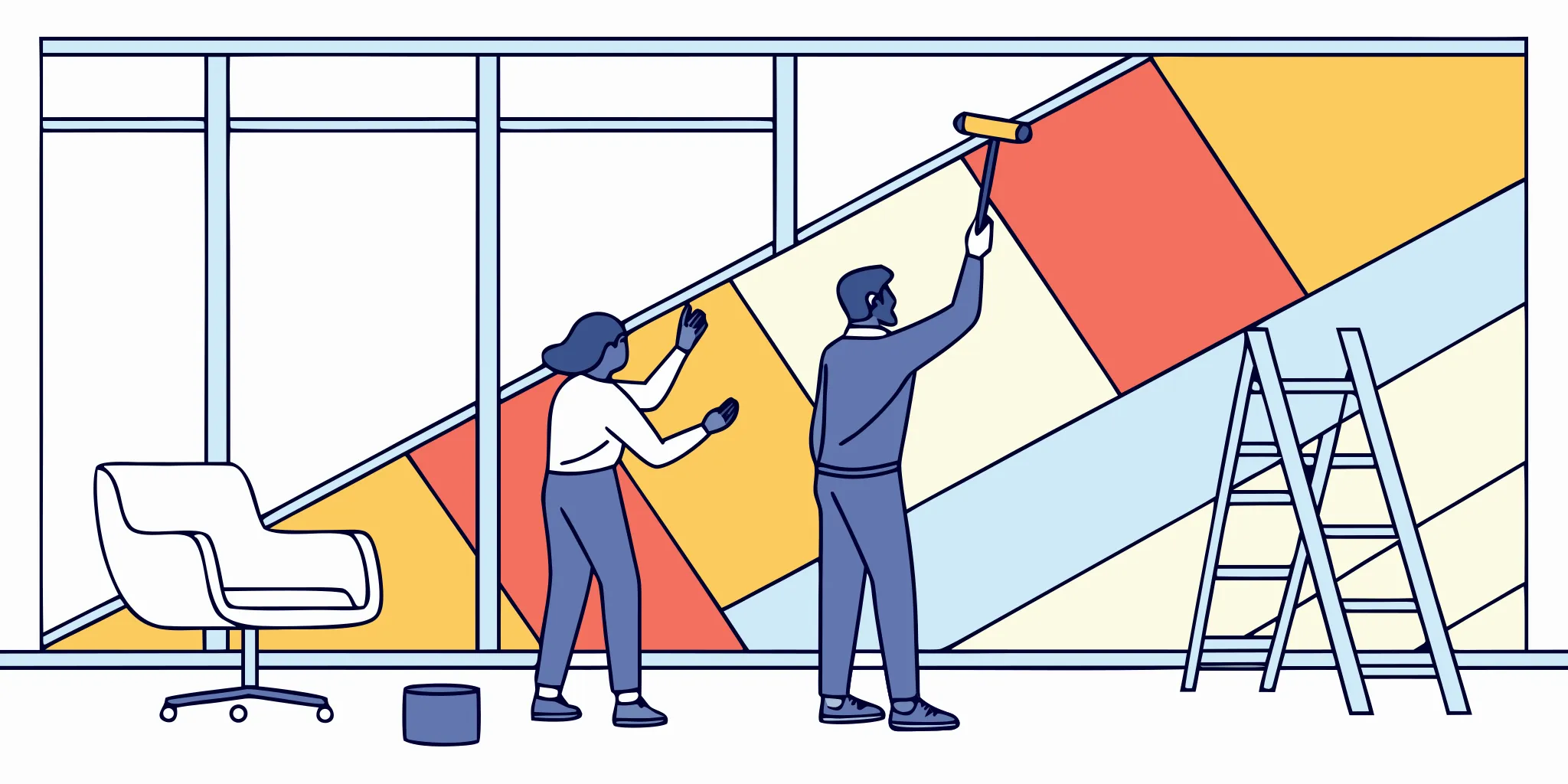
Identify who will see the mural, how often they will see it, and what action or impression it should support. Consider employees, clients, vendors, and visitors separately. A collaborative workspace may benefit from a design that reflects team culture, while a client-facing conference room may need a more restrained expression of the brand. Give employees a meaningful opportunity to provide input. Research on participatory interior design associates involving occupants in the design process with a more restorative work environment, so internal feedback can improve both relevance and acceptance. Read the research on participatory interior design.
Record the full wall width and height, then mark windows, doors, outlets, vents, trim, sprinklers, furniture clearances, and other obstructions. Note changes in wall plane, corners, recesses, and areas that will be hidden by fixtures. Photograph the space from several angles and confirm measurements on site before finalizing the artwork. This prevents important logos, people, or directional elements from landing behind a door or disappearing into a cabinet.
Choose the material and finish for the actual substrate. Commercial murals may be installed on painted walls, glass, floors, and other non-traditional surfaces, but each requires appropriate preparation and installation planning. Review paint condition, texture, moisture, and adhesion risks before production. Lighting also affects the result. Check the mural under daylight, overhead lighting, and any accent lighting to identify glare, low-contrast colors, or shadows that could obscure details.
For complex spaces or multiple substrates, involve a specialist early. AP Installations provides wall mural installation services for commercial environments and can help translate the approved design into a practical installation plan.
Material selection affects the mural’s appearance, service life, maintenance needs, and removal plan. Start with the wall condition, the length of the installation, and the amount of contact the surface receives. A reception wall may need a different specification than a corridor, break room, or leased office that must be returned to its original condition.
| Option. | Best fit. | Advantages. | Planning considerations. |
|---|---|---|---|
| Printed vinyl graphics. | Branded walls, murals, and complex artwork. | Detailed color, flexible sizing, and professional installation on suitable surfaces. | Requires proper surface preparation, panel alignment, and film selection. |
| Painted mural. | Permanent artwork on a stable, properly prepared wall. | Direct application and no vinyl seams. | Changes can require repainting, and brand color consistency depends on the paint system. |
| Wallpaper mural. | Interior feature walls with a wallpaper-compatible substrate. | Broad design range and a familiar interior finish. | Seams, substrate condition, moisture, and future removal need review. |
| Cast vinyl. | Long-term projects, textured walls, curves, or demanding surfaces. | Conforms more readily to challenging contours and supports durable installations. | Typically requires experienced installation and a higher-specification project plan. |
| Removable or temporary vinyl. | Leased spaces, seasonal campaigns, and events. | Supports planned change-outs and shorter commitments. | Confirm dwell time, wall paint condition, and removal expectations before production. |
Calendared vinyl can be a practical choice for many smooth, flat interior walls, especially when the project does not require the conformability of cast film. The correct choice depends on the substrate and expected service conditions, not simply the lowest material price. For walls exposed to scuffs, cleaning, or frequent contact, an overlaminate can add surface protection and make routine maintenance easier. It may also help protect the printed finish from abrasion, but it does not correct poor adhesion or inadequate preparation.
Talk to a specialist about the right mural material.
Permanent office murals are commonly planned for roughly 3 to 7 or more years, while temporary and event graphics are specified for shorter use. Removable options are often better for leased spaces, where the lease terms and the condition of the existing paint matter as much as the artwork. Your installer should evaluate the wall before recommending a removable film, because removal performance varies with paint age, coating quality, humidity, and installation duration.
For high-value branding, a 3M Preferred Installer can specify compatible 3M films and installation methods that support the 3M MCS Warranty. Coverage may extend up to 8 to 9 years when the system requirements are met. Using a 3M-certified installer also helps keep manufacturer warranties valid for complex large-format work. Confirm the exact warranty terms for the selected products, location, and installation conditions before approving the production file.
Large-format murals are not simple wall stickers. Their scale, panel structure, substrate, and adhesive behavior all affect the finished result. Professional installation protects the investment by controlling those variables before they become visible defects.
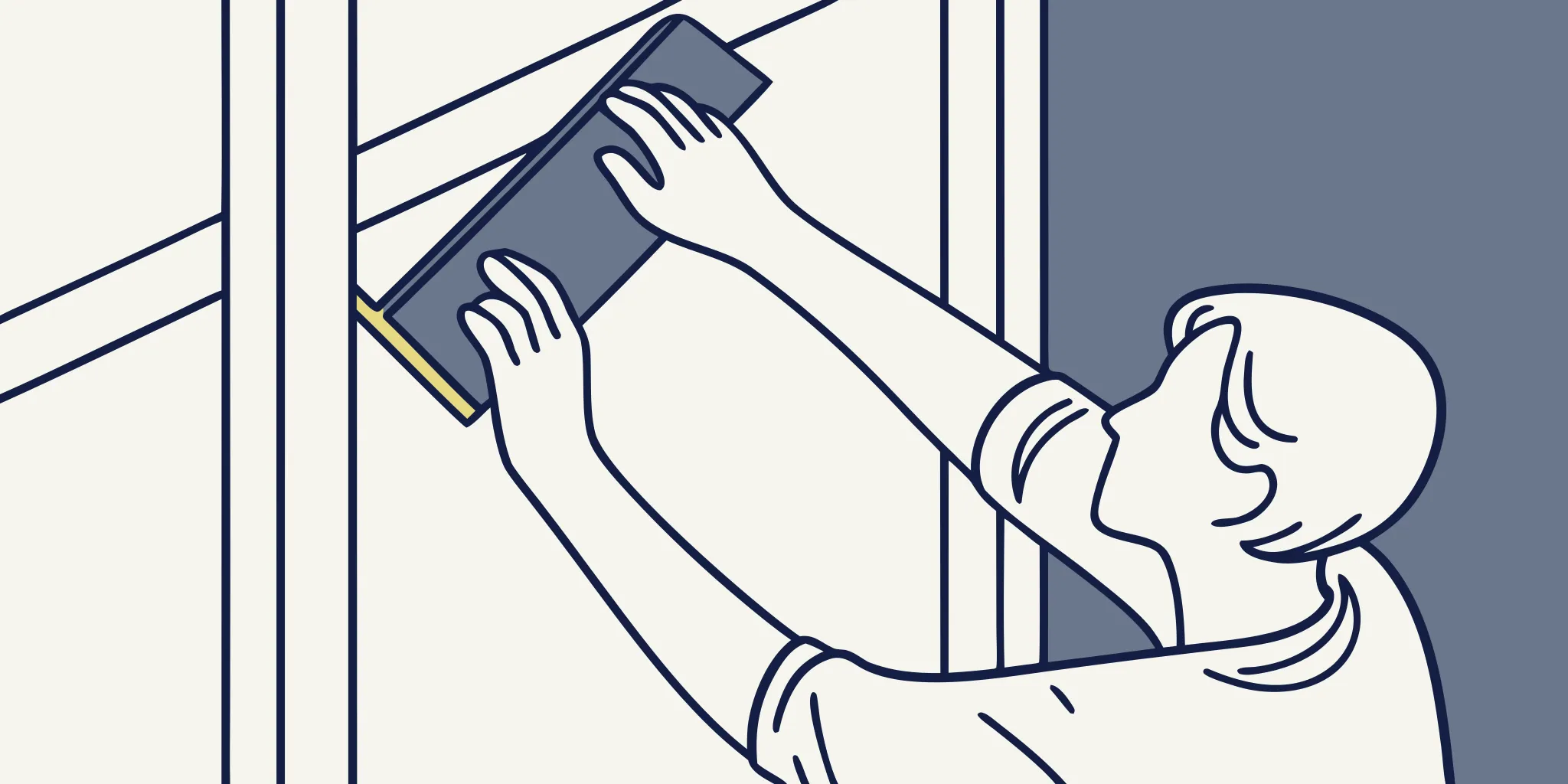
Using a 3M Preferred Installer also helps protect manufacturer warranty coverage, because certified installation can keep applicable warranties valid for complex projects. AP Installations provides professional vinyl installation services for businesses that need a controlled, durable result instead of a costly rework cycle.
Budgeting for an office mural starts with the wall size, but square footage is only one part of the estimate. For planning purposes, a feature wall commonly costs about $1,500 to $3,500 installed. A small wall of up to 100 square feet may fall between $1,500 and $2,300. While a 100 to 300 square foot wall can range from $1,800 to $6,000.
Larger projects require more material, production planning, access coordination, and installation time. A 300 to 600 square foot mural may cost approximately $4,500 to $12,000. Multi-wall projects covering 600 square feet or more often begin around $9,000. These are planning ranges rather than fixed prices. The final estimate depends on the artwork, wall condition, site access, installation schedule, and the complexity of the layout. These ranges are also consistent with the cost guidance published by Lucent Graphic Solutions.
A flat, primed, painted wall is generally the most economical substrate. Texture, curves, recesses, corners, and other irregularities increase labor and may require a more conformable cast vinyl. Walls that need cleaning, patching, sanding, or additional primer may also add preparation time before the first panel is installed.
Material selection affects long-term value as well. A professionally installed vinyl mural can last approximately five to 10 years with minimal maintenance, allowing the initial investment to support your workplace branding over time. A durable installation also reduces the risk of premature replacement, visible seams, lifting edges, or damage to the finished design.
For an accurate number, document the wall dimensions, surface condition, artwork status, and preferred installation window. Then request a custom quote that accounts for the full project rather than relying on a per-square-foot guess.
A branded mural represents more than a finished wall. It is a visible investment in your identity, customer experience, and workplace environment. The installation partner you choose should protect that investment from design handoff through final application, not simply arrive with tools and a ladder.
Large-format graphics require controlled surface preparation, accurate panel alignment, and reliable adhesion. Those details affect both the appearance of the mural and the performance of the finished system. When a manufacturer requires certified installation, using an uncertified crew can put warranty coverage at risk. A 3M MCS Warranty may provide coverage for up to 8 to 9 years when the project meets the applicable material and installation requirements.
AP Installations is a 3M Preferred Installer, a credential held by a small number of 3M Preferred Installers in Oregon. That distinction gives print buyers, facility managers, and brand teams a practical way to evaluate technical capability before committing a high-value graphic package. AP Installations also operates under Oregon CCB# 253514, adding another verifiable professional credential to the project review.
Print shops and design agencies often sell the creative or production work without maintaining an internal installation crew. A pure-play commercial installer can complete the field work as a white-label or wholesale partner. This approach lets your team keep ownership of the client relationship while reducing the risk associated with complex, large-format applications. Agencies can add office murals, fleet graphics, and other environmental graphics to their capabilities without hiring, training, and scheduling an installation department.
From its Beaverton headquarters, AP Installations supports Pacific Northwest projects, including same-day service where the scope and location allow. The team also travels nationwide for larger coordinated programs. Whether you need a local crew or a discreet installation partner for a multi-location rollout, the right credentialed installer helps your brand appear exactly as intended.
Request a quote for your office mural project.
Many commercial projects fall between $1,500 and $3,500 for a feature wall. A small wall up to 100 square feet may cost $1,500 to $2,300, while larger or multi-wall installations can reach $12,000 or more. Surface texture, recesses, curves, access, design preparation, and conformable materials can change the final quote. Source: Lucent Graphic Solutions.
Start with the wall’s role and the message people should take away. Options include a restrained logo treatment, brand values, a regional image, a project portfolio, a nature-inspired scene, or graphics that support wayfinding. Consider sightlines, lighting, furniture, and whether employees or visitors will view the wall most often before finalizing the artwork.
Yes, when the design supports the space instead of competing with it. Current office murals work best when they use intentional scale, brand colors, clear imagery, and enough visual breathing room. A custom mural can also make a reception area, collaboration zone, or corridor feel purpose-built rather than decorated with a temporary trend.
Permanent vinyl murals commonly last about 3 to 7 years or longer, depending on the material, surface, exposure, cleaning, and installation conditions. A 3M MCS Warranty may provide coverage for qualifying systems for up to 8 to 9 years when the specified materials and installation requirements are met.
Professional installation is the safer choice for large-format murals, textured walls, complex seams, or high-visibility brand applications. The installer must prepare and test the surface, manage panel alignment, control adhesion, and prevent bubbles or wrinkles. A 3M Preferred Installer can also help protect the manufacturer’s warranty on qualifying projects.
A well-planned mural can give your workspace a clear, professional brand presence while making the installation process more predictable. AP Installations brings specialized vinyl installation experience and 3M Preferred Installer expertise to commercial projects across the Pacific Northwest and nationwide. Request a custom installation quote to discuss your wall, design, material, and installation requirements with our team.