
Blog
Vinyl Graphic Installer: A Certified Buyer’s Guide
Choose a vinyl graphic installer by comparing surface preparation, quality control, credentials, coordination, and warranty-aware project practices.
Blog
Choose a vinyl graphic installer by comparing surface preparation, quality control, credentials, coordination, and warranty-aware project practices.
Choosing a vinyl graphic installer is a quality and risk decision, not just a price comparison. Businesses, agencies, and print or sign shops should look for documented surface experience, disciplined preparation, consistent application standards, clear communication, and credentials that fit the material system. These checks help protect the finished brand investment from avoidable rework.
Contact AP Installations to discuss your vinyl graphic installation project.
The right vinyl graphic installer evaluates the substrate and prepares it for the selected material. The installer then applies the graphic with controlled alignment and finishing. Clear communication continues from site review through closeout. For compatible 3M systems, a 3M Preferred Installer may support applicable 3M MCS Warranty requirements when every material, installation, and documentation condition is met.
That standard matters whether the project involves a mural, fleet graphics, windows, walls, or floors. Before comparing quotes, clarify what each partner will inspect, prepare, install, coordinate, and document.
A vinyl graphic installer turns a finished graphic into a properly applied installation. The work includes site review, substrate preparation, panel placement, detail finishing, quality inspection, and project coordination. The installer must adapt the method to the surface, material, access conditions, environment, and final use of the graphic.
Installation begins after artwork and production are complete, but field conditions still influence the finished result. A vehicle has curves, seams, handles, and weather exposure. A window graphic must align around frames and preserve the intended visibility. A wall mural demands careful panel placement and seam control. Floor graphics must account for foot traffic and the condition of the flooring below them.
The buyer or production partner should provide approved artwork, final dimensions, intended surfaces, site addresses, access instructions, scheduling constraints, and known restrictions. Establish who owns approvals and who makes decisions when field conditions differ from the original plan. For permanent signs or related work, confirm applicable local permit requirements before scheduling.
Strong surface preparation starts with evaluating the substrate and the material system together. The installer should confirm that the surface is sound, clean, dry, and suitable for the selected graphic. A professional partner will identify risks before installation, explain required preparation, and document conditions that could affect adhesion or durability.
Start by asking how the substrate will be evaluated. The review should look for peeling paint, flaking coatings, cracks, dents, corrosion, loose materials, heavy texture, old adhesive, and other irregularities. A clean-looking surface can still contain dust, grease, oil, wax, moisture, or residue that interferes with the bond.
Preparation is not identical for every application. Glass, painted metal, drywall, concrete, brick, plastic, and automotive surfaces each present different concerns. A window film may need precise cleaning around frames. A wall graphic may require attention to paint condition and texture. A vehicle wrap may require removal of dirt, wax, trim, or contamination from seams and recesses.
Ask what cleaning process is appropriate for the substrate, how residue will be removed, and how dryness will be confirmed. Pacific Northwest weather can make scheduling and site conditions especially important for exterior or partially exposed work. A qualified installer should explain whether the project requires a sheltered area, temperature controls, additional drying time, or a revised schedule.
Material compatibility deserves the same attention. Ask which film, adhesive, laminate, ink, and finish are proposed, and whether that combination fits the surface and exposure. For print shops and sign shops, record these decisions in the client handoff. If a warranty is important, confirm the specific requirements rather than treating a credential as blanket coverage.
AP Installations provides a useful reference for buyers who want more detail on vinyl graphics surface preparation. The goal is not to add unnecessary process. It is to prevent a predictable field problem from becoming a finished-installation failure.
Evaluate quality through repeatable details, not a single impressive photograph. Look for accurate alignment, controlled seams, clean edges, consistent tension, careful finishing around obstacles, and a documented inspection process. For a multi-location program, ask how the installer will reproduce those standards at every site.
Alignment should be checked against something stable, such as panel joints, vehicle body lines, window mullions, architectural reveals, or the intended visual grid. Ask how placement is confirmed before adhesive is committed. On large-format murals, the installer should understand the panel map and how the image continues across seams.
Inspect the details that photographs often hide. Edges should be clean and secure. Seams should be controlled and positioned with the design in mind. Cuts around handles, corners, outlets, hardware, and trim should look intentional. On vehicles, the method should account for channels, recesses, curves, and areas subject to movement or weather.
A professional quality-control process includes more than a final glance. It may include checks during application, correction of visible imperfections, installation photographs, a client walk-through, and written closeout notes. Ask which items are documented and when they are shared. A useful record helps an operations manager or production director compare results across locations.
When reviewing a portfolio, prioritize examples that resemble the proposed work. A clean interior wall project does not automatically demonstrate experience with a fleet, textured exterior, or high-traffic floor. Ask for examples involving similar surfaces, dimensions, access limitations, and deadlines. Relevant experience is more useful than a large collection of unrelated images.
AP Installations’ project portfolio gives buyers a way to review the range of applications and environments associated with commercial graphics installation. Use any portfolio as a starting point, then ask how the documented process applies to your specific site.
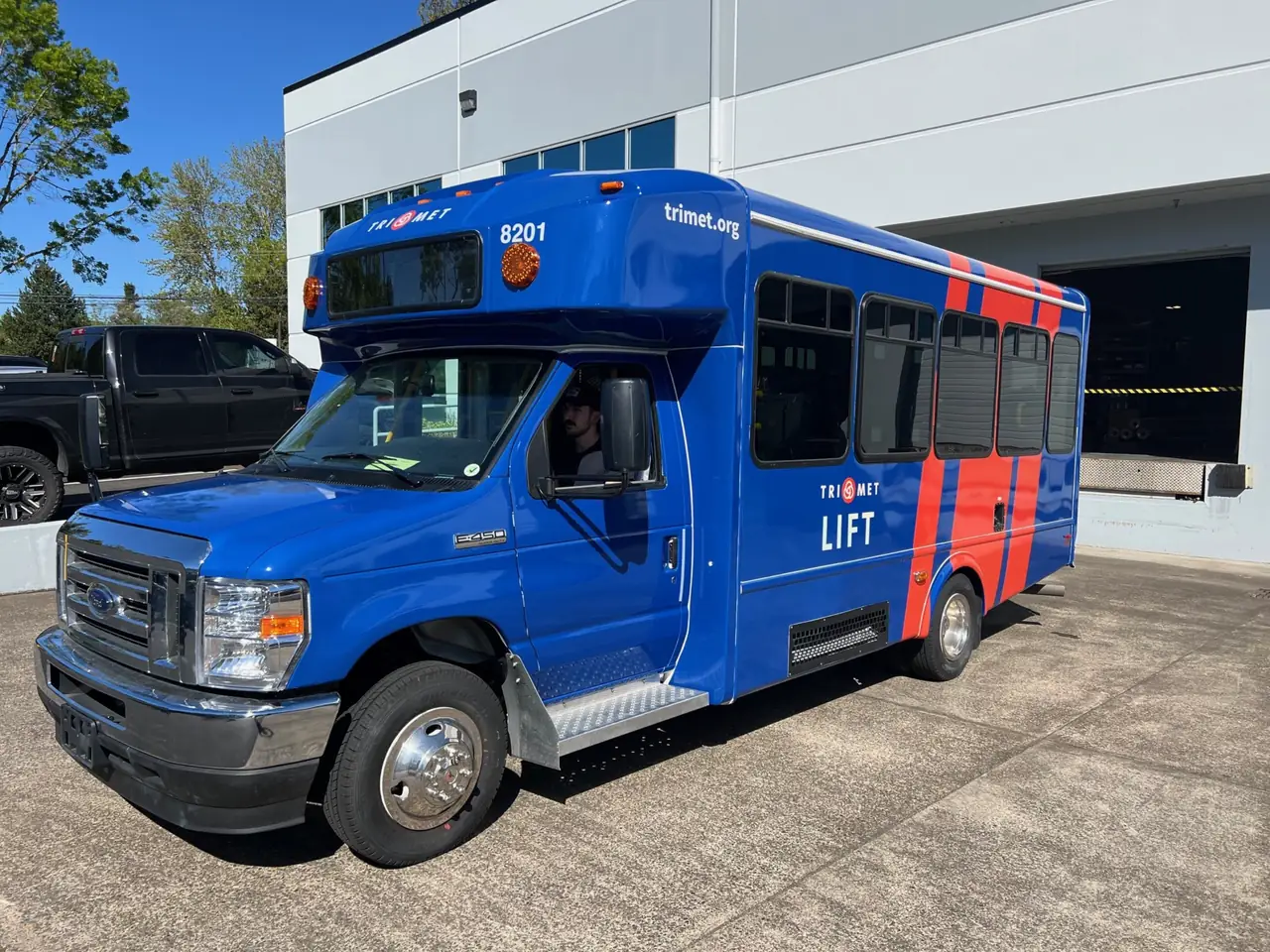
A vinyl graphic installer protects project quality by identifying risks before application and matching the method to the material and surface. The installer also controls conditions and documents the finished work. This approach reduces surprises for the buyer and creates a clearer basis for maintenance, warranty questions, and future rollout decisions.
Project protection starts with scope clarity. The quote or work order should identify the surfaces, locations, approximate quantities, access assumptions, preparation responsibilities, schedule, and exclusions. If old graphics must be removed, damaged substrate must be repaired, or lifts and special access are required, those items should be discussed before the crew arrives.
Communication is equally important. Decide who receives site questions, who approves changes, and how a field condition affects schedule or cost. A partner who raises a concern before installation gives the buyer more options than one who proceeds and reports a problem after the material is applied.
Credentials can provide an additional quality signal when they are relevant to the project. AP Installations is a 3M Preferred Installer. The credential is meaningful for compatible 3M graphic systems, but it should be discussed alongside the exact material combination, substrate, installation method, and warranty conditions. It is not a substitute for a site-specific review.
AP Installations’ specialized installation focus also gives print shops and agencies a partner for work that requires field expertise. Buyers can compare a specialist’s preparation, inspection, and documentation process against a provider whose primary focus is design or production. The right model depends on the project, but responsibility for the installation stage should be explicit.
Print shops, sign shops, and agencies can use a wholesale installation partner to add field capacity without hiring an in-house crew. The strongest relationships define client ownership, communication, material handoff, site access, quality standards, and closeout documentation before the first location is scheduled.
Overflow is normal in project-based work. A shop may have production capacity but not enough trained installers for a fleet rollout, a large mural, or a coordinated retail program. An agency may have sold the campaign but need a partner who can execute the physical installation without creating avoidable risk for the end client.
Start with role clarity. Decide whether the installation partner communicates directly with the end client or works entirely through the referring company. Confirm who approves schedule changes, who handles site contacts, and who communicates field conditions. A white-label relationship can be effective, but only when the handoff rules are clear.
The production handoff should include approved artwork, panel maps, material specifications, site contacts, installation drawings, access restrictions, and known surface concerns. If the graphic has a required orientation, seam plan, or finishing detail, include it in the documentation rather than relying on a verbal explanation.
Ask how the partner will report progress. Useful updates can include arrival confirmation, site-condition notes, installation photographs, completion status, and open items. For multiple sites, a shared tracker or consistent report format makes it easier to identify a pattern before it affects the entire rollout.
AP Installations provides information for shops evaluating a print shop graphics installation partner. The central question is whether the relationship makes the production company more reliable to its client, not simply whether it fills a labor gap.
A regional or national rollout needs a repeatable installation plan, not just a list of addresses. The buyer should confirm site readiness, access, material delivery, local requirements, crew scheduling, quality checks, reporting, and escalation procedures. Consistent documentation lets the project team compare performance across locations.
Begin with a site-readiness checklist. Confirm that each location has the correct surface, approved artwork, clear access, available contacts, and a workable installation window. Identify locations that need repairs, security coordination, lifts, off-hours access, or additional preparation. A single unready site can disrupt a tightly sequenced schedule.
Material logistics deserve early attention. Confirm how graphics are labeled, packed, stored, and matched to each address. Panel maps and location identifiers reduce the risk of applying the correct graphic to the wrong surface. The installer should know where materials will arrive and what happens if a shipment is damaged or incomplete.
For Pacific Northwest work, AP Installations provides direct coordination from its Beaverton base. Projects beyond the region require planning for travel, local access, equipment, and site-specific conditions. Its multi-state graphics rollout coordination resource outlines the type of planning buyers should discuss before committing to a distributed program.
Teams comparing installation partners can also review AP Installations’ commercial graphics solutions and company background and capabilities before narrowing the shortlist.
Set one quality standard for every location. Use the same approved material system, preparation expectations, finishing criteria, photo requirements, and closeout format wherever possible. Consistency protects the brand and gives the operations team a defensible record if a site needs follow-up.
Choose an installer based on the demands of the project, not a generic claim of experience. The best fit can show relevant surface knowledge, a disciplined preparation process, consistent finishing, reliable communication, appropriate credentials, and a practical plan for access, scheduling, documentation, and closeout.
| Selection factor | What to ask | What a strong answer includes |
|---|---|---|
| Surface experience | Have you installed this material on this substrate? | Relevant examples, known risks, and a site-review process |
| Preparation | What must happen before application? | Cleaning, repairs, drying, condition checks, and clear responsibility |
| Quality control | How will consistency be verified? | Alignment checks, finishing standards, photographs, and closeout review |
| Credentials | Which certifications apply to this system? | Specific credential details and conditional warranty guidance |
| Coordination | Who manages access, changes, and updates? | Named contacts, escalation rules, schedule control, and reporting |
| Wholesale fit | Can you work within our client handoff model? | Defined roles, white-label expectations, material handoff, and documentation |
Use the answers to compare proposals consistently. A low quote may omit preparation, access coordination, removal, travel, equipment, or documentation. A higher quote may include safeguards that reduce the chance of rework. Ask each bidder to identify assumptions so the comparison is based on the same scope.
Businesses in Beaverton, Portland, and the surrounding Pacific Northwest can also consider local coordination, while national buyers should ask how travel and site differences will be managed. AP Installations serves commercial customers across the region and coordinates project-based work beyond it. Buyers can learn more about the value of professional vinyl graphics installation before requesting a project discussion.
For a final screening, request the proposed process in writing. Confirm the material system, preparation plan, schedule, communication path, quality checks, and closeout deliverables. The installer who can explain the work clearly before kickoff is more likely to manage the field work with the same discipline.
Talk with AP Installations about certified vinyl graphic installation for your next project.
Verify experience with the specific surface and graphic type, the preparation process, quality-control steps, insurance and applicable credentials, schedule assumptions, communication responsibilities, and closeout documentation. Ask how the installer handles a site condition that differs from the original scope.
The surface generally needs to be sound, clean, dry, and compatible with the selected material. The exact process depends on the substrate. The installer should check for loose coatings, dust, oil, wax, moisture, texture, old adhesive, corrosion, and other conditions that can affect adhesion.
A 3M Preferred Installer credential signals training and adherence to applicable 3M installation standards. For compatible 3M systems, it may support an applicable 3M MCS Warranty when all approved materials, methods, substrate conditions, and documentation requirements are met. Confirm the exact coverage for the proposed project.
Yes, a qualified installation specialist can coordinate multi-site or wholesale work when the scope, site contacts, material handoff, schedule, reporting, and client-ownership rules are defined. Ask how readiness is confirmed and how the installer documents each completed location.