Blog
Commercial Wall Graphics vs Paint
Compare commercial wall graphics and paint for brand impact, schedule, upkeep, and surfaces so you can choose the right approach for your business space.
Blog
Compare commercial wall graphics and paint for brand impact, schedule, upkeep, and surfaces so you can choose the right approach for your business space.
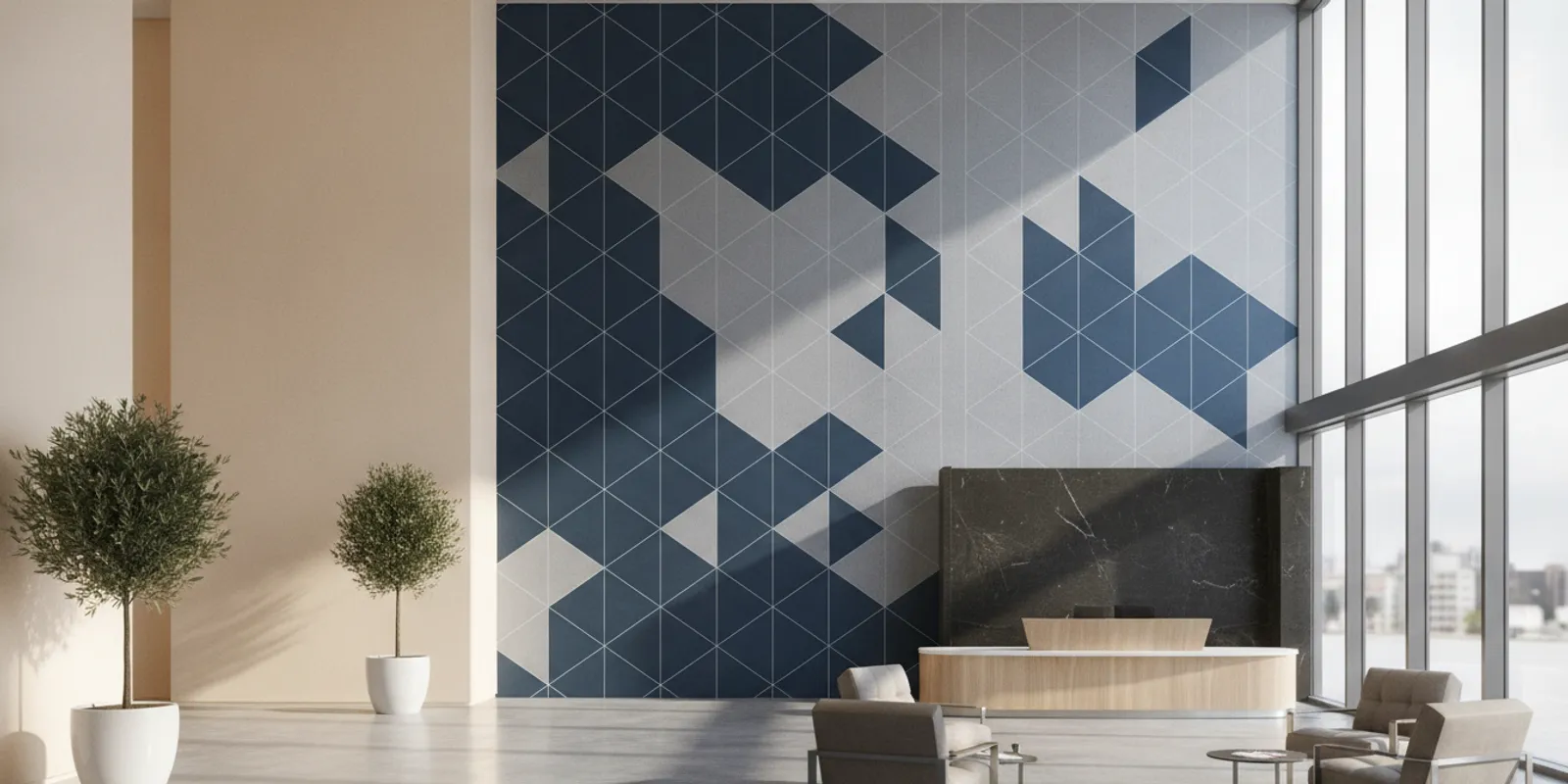
Choosing between commercial wall graphics vs paint comes down to what the wall needs to do. Paint is a strong choice for a consistent color field or a finish that should blend into the building. Printed vinyl graphics are better suited to detailed brand imagery, photography, messaging, and designs that may need to change without repainting the entire space. The right decision depends on the wall, the visual goal, the project schedule, and how the space will be used.
Discuss your commercial wall project
Start by describing the result you need, rather than asking which material is better in general. A wall may need a quiet background color, a branded focal point, a wayfinding cue, or a full-scale image that changes the feel of a room. Those goals point to different solutions.
Paint generally covers a surface with a uniform color or a hand-painted treatment. It can be an effective choice when the design is simple, the wall needs a fresh base coat, or the project is part of a broader renovation. A professional painter can also create a custom mural, though the result depends on the artwork, technique, schedule, and skill involved.
Commercial vinyl graphics are printed or cut from film and applied to a prepared wall. They can reproduce detailed artwork, brand colors, photographs, lettering, patterns, and shaped visual elements. They are particularly useful when the design needs a precise match across multiple locations or when a future campaign may call for a visual change.
Write down the specific use before asking for proposals. Note the primary audience, the viewing distance, how long the design is expected to remain, and whether the wall is a feature, a background, or a communication surface. A project that is meant to create a bold lobby focal point has different requirements from a discreet meeting-room accent.
Choose the method that gives you the degree of detail and finish the space requires. Broad color fields favor paint. Detailed, repeatable brand imagery often favors a printed graphic. Some projects use both: paint establishes the surrounding color, while vinyl supplies a precise graphic area or lettering.
Do not assume the same artwork will look identical in every medium. A paint color is affected by the substrate, finish, lighting, and application. Printed film depends on the print process, media, artwork, and viewing conditions. Ask to review color expectations and any available samples before approving production, especially when matching a specific brand color matters.
The substrate is a deciding factor, not a detail to leave until installation day. Vinyl needs a suitable, clean surface with conditions that support adhesion. Paint also depends on the underlying surface and preparation, but the preparation steps and finish requirements differ. A wall that looks smooth from across the room may have texture, repairs, contamination, or coating issues that affect the final result.
Record the wall material and condition. Identify whether it is painted drywall, concrete, block, metal, or another surface. Note peeling paint, cracks, patching, moisture concerns, heavy texture, dust, or areas that have been cleaned with products that may leave residue. Share close-up photographs and overall room views during early planning, but do not treat photographs as a substitute for an on-site assessment when conditions are uncertain.
For graphics over painted drywall, confirm that the paint has fully cured according to the paint manufacturer’s guidance. Fresh paint can appear dry before it is ready for another material. Adhesion testing can help assess whether the specific wall finish and film are compatible. Test results should be interpreted in context; they do not remove the need to consider surface condition, exposure, and the product manufacturer’s installation instructions.
Texture matters. A smooth, sound wall may support more consistent contact than a rough or deeply textured one. Graphics applied to textured surfaces may not achieve the same appearance or adhesion as those on a smooth surface. Paint may accommodate some wall texture more naturally, but it will not hide every defect. Agree on acceptable surface conditions and who is responsible for repairs before the work is scheduled.
When the graphic will function as a sign, verify the applicable local requirements rather than assuming the rules are the same everywhere. For example, Canton, Michigan’s sign guidance says lettering on wall signs should significantly contrast with the background. Review the Canton sign regulations for that local example; it is not a substitute for checking the rules in the project’s own jurisdiction.
The visible finish is only one part of the decision. Compare the full project sequence: wall preparation, artwork, materials, labor, access, protection of nearby areas, installation or painting, cleanup, and final review. A quote that covers only one of those pieces is not directly comparable with a proposal that includes the full scope.
| Decision factor | Commercial wall graphics | Paint or painted mural |
|---|---|---|
| Best fit | Detailed brand artwork, photography, repeatable layouts, or a visual element intended to be updated | Broad color coverage, a uniform finish, or artwork created directly on the wall |
| Artwork and color | Can reproduce supplied digital artwork; confirm proofs, color expectations, and scale before production | Can deliver solid colors and hand-painted work; color and detail depend on the paint system and execution |
| Surface review | Check wall condition, texture, cleanliness, paint cure, and film compatibility; testing may be appropriate | Check for repairs, primer or coating needs, existing finish, and the preparation needed for an even result |
| Work sequence | Coordinate measurements, approved artwork, production, site readiness, installation, and inspection | Coordinate protection, preparation, paint application or mural work, drying or curing, and inspection |
| Future changes | May be removed or replaced, but removal outcome depends on film, surface, age, and installation conditions | Color changes generally require repainting; a hand-painted mural may need repainting or restoration |
| Cost planning | Build a project-specific estimate around area, artwork, material, preparation, access, and installation scope | Build a project-specific estimate around coverage, paint and finish, repairs, access, and labor |
For planning purposes, AP Installations reports typical vinyl installation pricing of about $3–$6 per square foot for materials plus labor. That is a broad reference, not a quote for a particular wall or a direct comparison with painting. Artwork complexity, wall condition, access, quantity, material selection, and project logistics can change the scope. Ask whether a proposal separates print, materials, preparation, and installation so you can see what is included.
Painting estimates need the same scrutiny. Confirm whether repairs, primer, multiple coats, specialty finishes, hand-painted artwork, furniture protection, and cleanup are included. A lower initial number may reflect a different scope, not a better like-for-like option. If the project includes a mural, specify whether the estimate covers design, transfer or layout, painting, and any protective finish.
Graphics and paint follow different workflows, so plan backward from the date the space needs to be ready. Vinyl typically involves wall review, measurements, artwork preparation, proof approval, production, site preparation, installation, and inspection. Painting involves surface preparation, paint selection, application, drying or curing, and inspection; a custom mural may also involve design and layout approval.
For a business that must remain open, the least disruptive option may not be the one with the shortest material application time. Work area, access, furniture movement, drying or cure intervals, and approval delays all affect the practical schedule. A phased plan can help keep part of a space operating, but only if the installation or painting sequence is designed around the actual room.
For multi-site work, standardize the artwork, wall measurements, surface assumptions, and approval process. Ask each location to provide consistent photographs and dimensions. Keep a record of deviations such as a different paint finish, wall texture, or access limitation; one site’s successful installation does not guarantee every site has identical conditions.
Neither choice is maintenance-free. Painted surfaces may need cleaning, touch-ups, or repainting as they become marked or when the color changes. Vinyl graphics may need care appropriate to the chosen film and finish. Follow the relevant manufacturer guidance and avoid assuming that every cleaner or cleaning method is safe for every surface.
Think about the next update before the first installation. If the wall is likely to carry a short-term campaign, ask how the selected graphic is intended to be removed and what condition the underlying paint may be in afterward. Removal results depend on the film, wall finish, age, exposure, and installation conditions. A removable product does not mean removal will leave every surface unchanged.
Paint is often the simpler path when the desired future change is another broad color. Vinyl can be useful when only the message, logo, or campaign artwork needs to change while the surrounding wall remains. For a high-visibility area, include a replacement or refresh plan in the original project brief so that future work does not become an emergency decision.
Set an acceptance standard before work begins. Agree on the intended alignment, visible seams where relevant, color review method, finish, and how the completed area will be inspected. Photograph the finished wall and save the approved proof, material details, paint information, and care guidance. These records help the next facilities or brand team understand what was installed.
Whether you are coordinating an in-house project, using a painter, or working with a print partner and installer, send every bidder the same brief. That makes it easier to compare scope and surface assumptions. Include:
Ask the provider to identify assumptions and exclusions in writing. For a vinyl scope, clarify material and finish, artwork and proof responsibilities, field measurements, surface testing, installation, and what happens if the wall is not ready. For paint, clarify preparation, number and type of coats, finish, color approval, and whether hand-painted work is part of the quote.
AP Installations focuses on vinyl graphic installation and works with print partners rather than acting as a full-service design and print shop. Businesses with completed artwork can discuss wall conditions, installation logistics, and project scope with the team. See AP Installations’ vinyl graphics solutions or review office wall mural planning considerations before setting the brief.
For examples of completed work, browse the graphic installation project gallery. If a printed wall mural is the leading option, the wall mural installation guide explains further planning considerations. A project-specific quote should be based on the actual wall and scope, not on a generic assumption about square footage.
Before choosing paint or graphics, answer these questions with the people who own the space, brand, and schedule:
If those answers point to a uniform finish and simple coverage, paint may meet the need directly. If the wall needs precise brand imagery, detailed artwork, or a visual element that can be updated independently, commercial wall graphics may be a better fit. When both functions matter, plan a combined approach and clearly define where the painted finish ends and the graphic begins.
Explore commercial vinyl graphics installation
Neither is universally better. Paint is often suited to broad color coverage or a finish that should blend into the building. Vinyl graphics are often suited to detailed digital artwork, photography, lettering, or designs that may be changed without repainting the full wall. The substrate, schedule, artwork, and future plans determine the better match.
They may be appropriate on painted drywall when the paint and wall are in suitable condition and the selected film is compatible. The paint should be fully cured according to the paint manufacturer, and the surface should be assessed for cleanliness, texture, and adhesion. Testing can be useful, especially when the finish or coating is unfamiliar.
There is no reliable universal answer. Project costs depend on wall area, preparation, artwork, finish, access, material, and labor. A simple painted wall and a detailed printed mural are different scopes. Compare itemized proposals that cover the same preparation, design responsibilities, site protection, installation or painting, and cleanup.
Sometimes, but it cannot be promised for every wall. The outcome depends on the film, paint and substrate, surface condition, exposure, and how long the graphic has been installed. Ask about the specific material and wall, and consider a test area when the condition of the existing finish is important.
Share the wall dimensions and location, surface type and condition, photographs, approved or draft artwork, desired timing, access limitations, and any requirements for multiple sites or phased work. Explain who is handling printing and wall preparation. AP Installations can be reached through its contact page to discuss project scope.
The best choice is the one that meets the visual goal and fits the actual wall, operating schedule, and future maintenance plan. Confirm the scope and surface assumptions before work begins so the finished space reflects what you approved.