Successful stadium concourse graphics installation requires more than just high-quality vinyl and a skilled hand. Venue operators must account for heavy foot traffic, complex wall textures, and tight changeout windows to protect high-value sponsorships.
Contact AP Installations to plan venue graphics that protect sponsor value and installation timing.
A stadium concourse graphics installation manages the high-traffic branding and wayfinding needs of modern sports venues through durable vinyl wraps and exact placement. This work uses tough materials like the 3M MCS Warranty to ensure that sponsorship wraps and signs stay in place for years. Venue teams turn plain walls and floors into great marketing spots that handle being touched by thousands of fans. Expert installers make sure that every piece lines up well on hard surfaces to keep a same look across the whole site. According to AP Installations, professional teams handle these hard surfaces to make sure all branding looks the same for a long time. This smart planning protects sponsorship funds and keeps the venue looking its best.
Managing many surfaces and fast schedules in a busy sports venue requires a clear plan for all teams and sponsors. You will see that a stadium concourse graphics installation starts with the venue plan to ensure every brand goal is met. This planning protects the image of the building.
Stadium concourse graphics installation starts with the venue plan
Start by mapping every wall, window, floor, sponsor location, and wayfinding need before artwork is produced. AP Installations can connect the plan to practical vinyl graphic installation solutions so venue teams know which surfaces need permanent, temporary, or specialty films.
A stadium concourse is a busy place with many parts. Before you print any vinyl, you need a strong venue plan. This plan is your guide for the whole job. It shows where signs go, how fans walk, and when the work happens. Without a plan, a big job can hit many snags. A good plan keeps your stadium concourse graphics installation on time. It helps you save money and meet your goals.
Map out concourse zones and sign lists
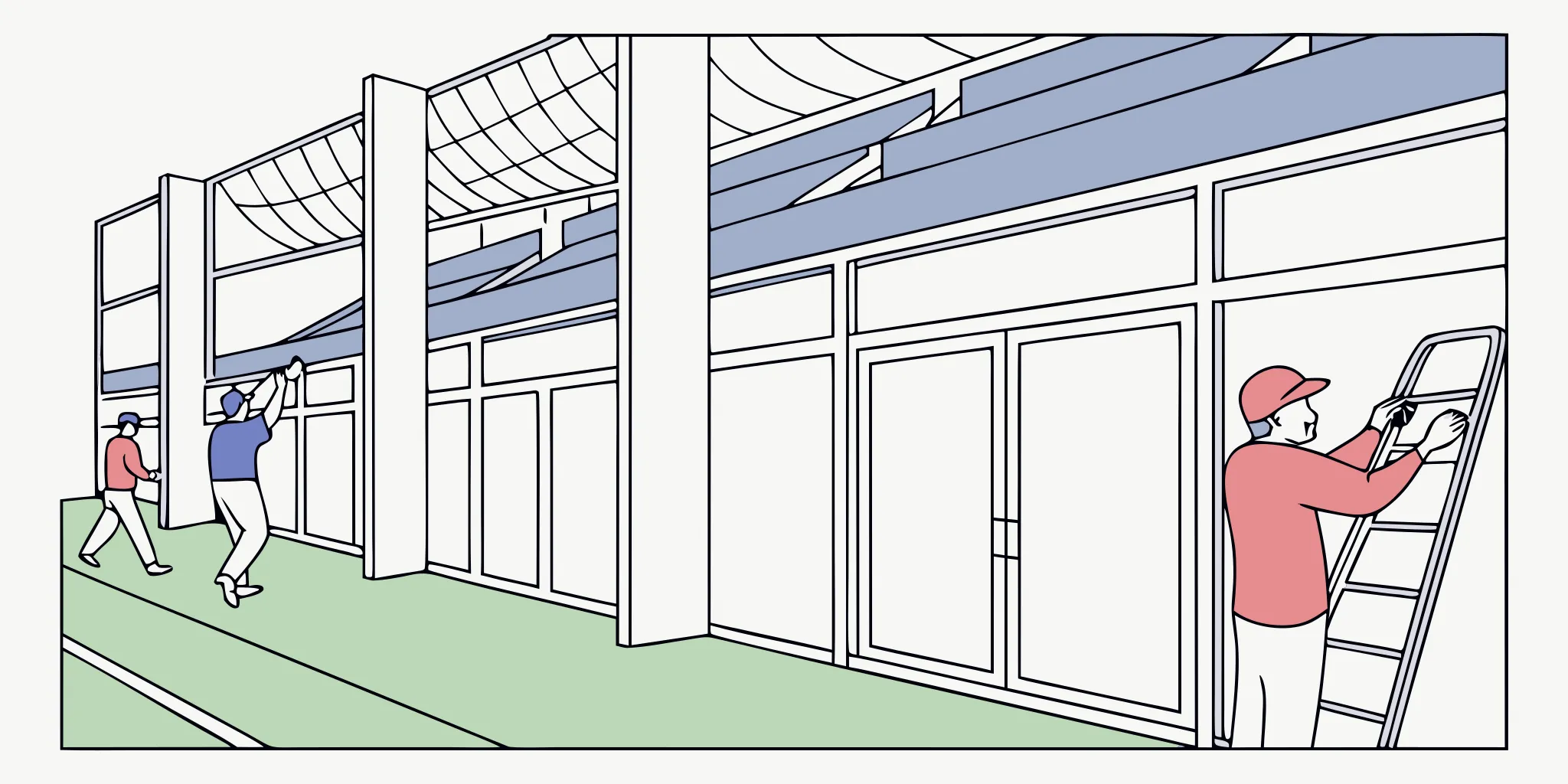
First, you should walk the site and map every zone. You need to know the layout of food stands, gates, and fan areas. Each spot has its own needs for ads and wayfinding. You should make a full list of every sign you will put up. This is your sign inventory. It tracks the size and spot of every piece of vinyl.
This map does more than just show ads. It also helps fans find their way. People who get lost are not happy. Good wayfinding keeps the crowd moving in a smooth path. This is also a matter of safety. The National Institutes of Health says that sign systems that look the same help flow. They also help people leave the site fast in a rush. Your plan should show how each sign helps a fan get from the gate to their seat.
Look at fan flow and event dates
Sports sites have full calendars. You must work around games and shows. You cannot have tools in the way while fans are in the concourse. Your plan must have a clear work schedule. You need to find times when the site is empty. These work windows are often short, so you must work fast.
Fan flow also tells you which films to use. High-traffic zones need tough vinyl. For example, floor signs in a busy food area get a lot of foot traffic. They need a thick coat to stay bright and safe. Our Hillsboro Hops Stadium work shows how we manage these busy spots. We timed our work to match their game dates and fan needs. This made sure the signs looked great for the first game without blocking the fans.
Check wall surfaces and get an okay
Not every wall or floor is the same. Stadiums use many things like brick, stone, and metal. Each one needs a certain type of vinyl and glue. A site survey is the best way to find these needs. You must test the walls to see if the vinyl will stay on. You also look for curves or rough spots that might make the job hard. A site survey helps you find these facts early.
Lastly, your plan needs an okay from the site owners. This includes the team and the sponsors. Sponsors pay a lot to have their brand in the stadium. They want to be sure it looks perfect. Your plan should show them exactly how their signs will look. You must also check that your signs meet laws for access. For example, signs for permanent rooms must follow ADA standards so they are easy to read and touch. Once you have these okays, you can start the work with trust.
What graphics belong in a stadium concourse?
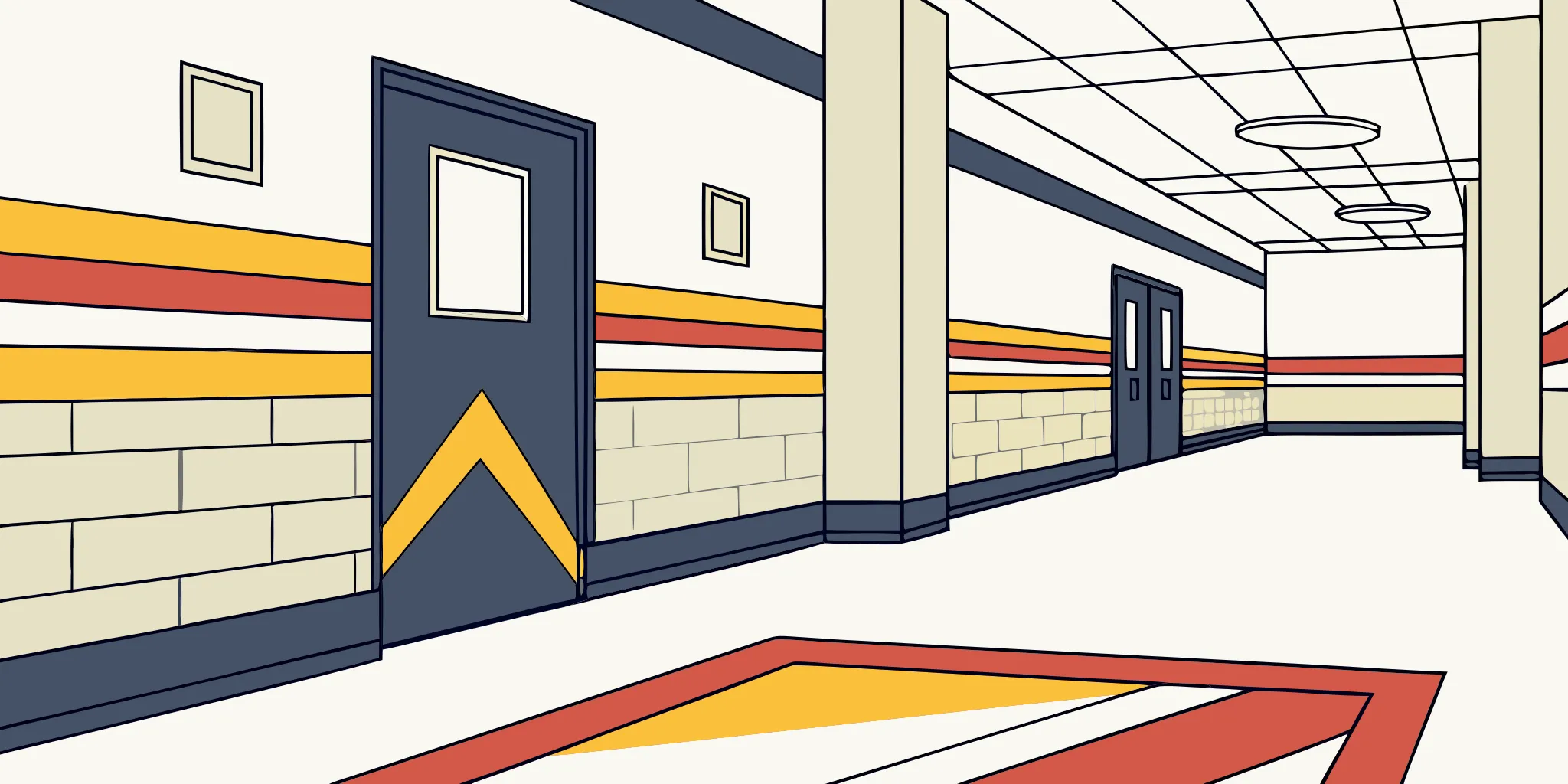
A stadium concourse is more than just a walkway. It is a place where fans spend a lot of time between plays. This area must guide people, sell products, and show off team pride. Each sign or wrap plays a key role in the fan’s time at the game. A professional stadium concourse graphics installation makes sure these pieces last through high foot traffic. It also helps turn blank walls into useful spaces for sponsors and teams. This high-energy zone needs a mix of long-term and short-term visual tools to stay fresh.
Smart placement for branding and sponsors
Large wall murals are a main feature in any modern stadium. These murals tell the story of the team. They use bold colors and big photos to build a strong mood for every fan. Column wraps are another smart choice for these spaces. They turn support beams into brand pillars. These wraps are hard to miss as fans walk to their seats. They offer a clean look that ties the whole space together. Using window graphics is a great way to use glass surfaces. These films can show ads while still letting in daylight. They turn plain glass into a bright space for team news or sponsor logos.
Fan zones use vinyl to create a special spot for people to gather. These areas often have hands-on parts or photo walls for social posts. Sponsors love these zones because they get fans to stop and look. Guarding these high-value brand marks is vital for any venue. A 3M Preferred Installer knows how to apply vinyl to curved or rough surfaces with care. This skill helps keep the branding clear and sharp for years. It makes sure that the money spent on these signs leads to a clean look that fans will trust.
Wayfinding and safety graphics
Fans need to find their way fast in a crowded venue. Clear signs help them find food, drinks, and restrooms without stress. Wayfinding decals on the floor or walls are a must for smooth crowds. These graphics guide the flow of people and keep them moving in the right path. Good wayfinding signs improve how people move through a large building. Floor graphics in the concourse need tough films to handle heavy boots and food spills. They must stay stuck to the ground to avoid trips while staying bright and easy to see.
Safety signs are also a big part of the concourse layout. These signs must follow strict rules for color and design to be legal. For example, safety rule signs use white backgrounds with green panels for clear messages. Long-term room signs must also meet ADA rules for all fans. These tactile signs help people with vision loss find restrooms or floor levels. Proper set up makes sure these signs stay in place and remain easy to read for everyone. This work keeps the venue safe and open to all people who come to the game.
Short-term versus long-term graphics
Some graphics stay up for a decade, while others last only a week. Teams often need short-term campaign changeouts for playoffs or special events. These short-term pieces must go up fast and come down without a mess. Long-term brand parts use different films that are built to last. They are made to stay stuck to walls or floors for a long time. They often come with a 3M MCS Warranty when put in by a trained pro. This warranty covers the film for up to nine years in some cases. It gives venue owners peace of mind that their brand will stay looking great.
Choosing the right type of graphic depends on the goal of the work. Some signs use frame systems that allow for quick swaps of vinyl banners. This is great for sponsors that change every season or for big concerts. Other spots need a site survey to see if the wall can handle a long-term wrap. The team must look at the texture and paint of the wall before they start. The table below shows the key traits of these two styles of stadium graphics to help you plan your next job.
| Feature. | Long-term Graphics. | Short-term Graphics. |
|---|---|---|
| Typical Life. | 5 to 9 years. | 1 day to 1 month. |
| Main Purpose. | Facility branding. | Events and ads. |
| Surface Prep. | Full cleaning needed. | Basic wipe down. |
| Material Type. | High-grade cast vinyl. | Easy-remove film. |
| Warranty. | 3M MCS Warranty. | Standard material only. |
| Removal Task. | Needs heat and tools. | Quick peel by hand. |
How professional installation protects sponsors and schedules
Professional installation protects sponsor value by keeping vinyl aligned, fully adhered, and ready before gates open. It also reduces schedule risk because the install crew knows how to sequence lifts, surface prep, removals, and punch-list checks around venue operations.
View AP Installations projects to see how professional graphics execution supports real venues.
Protecting the brand and sponsor image
When a venue sells ad space, the brand must look its best. A crooked logo or a bubble in the vinyl can hurt a sponsor’s trust. This is why a top-tier stadium concourse graphics installation is so vital. It ensures that every line is straight. It also makes sure every color is right. Sponsors pay a high price for these spots. They expect their brand to look just like their style guide says. If the work looks poor, the sponsor may not renew their deal.
Professional teams know how to work with complex surfaces. Stadium walls are often not flat. They might be brick, block, or curved metal. A pro installer uses the right heat and tools to make sure the vinyl stays put. This care protects the value of the deal. It shows the sponsor that the venue cares about their image. Plus, a steady look across the site builds a strong feel for the fans. It turns a plain hall into a part of the team’s home.
Expert crews also check the site first. A site survey helps find rough walls that might keep the glue from sticking. This step stops the graphics from peeling off in just a few weeks. When a pro team like AP Installations handles the job, they bring years of skill. They know which vinyl works best for each spot. This means the graphics stay bright for the whole season.
Meeting deadlines and venue schedules
Stadiums are busy places. Events happen almost every day. This means work must move fast. If a crew is slow, it can mess up the game day plan. Pros work on tight schedules. They often work at night to stay out of the way. This keeps the venue running while the work gets done. It means fans never see a half-done job.
Expert crews use punch lists to track every task. They make sure each sign is in the right place before they leave. This stops last-minute fixes that can cost time and money. Some projects have “campaign changeouts” that must happen in a few hours. For example, a new sponsor might come in for just one show. Using frame systems can help with temporary campaign changeouts. These systems let teams swap banners in minutes without tools.
Reducing risk and ensuring quality
Signs used for safety must follow clear rules. For example, the CDC standards for safety signs say that certain colors must be used for warnings. A pro team knows these rules. They also know the ADA rules for signs that help people find their way. These signs must be easy to read and feel for those who cannot see well. If a sign is wrong, the venue could face a fine.
Being a 3M Preferred Installer adds more trust. It gives the venue access to the 3M MCS Warranty. This covers the vinyl if it fails. This is key for branding that must last for many years. It stops the risk of the graphics peeling or fading under bright lights. When you hire an expert, you get a job that lasts. You also know it meets all local laws.
Site survey details that prevent concourse install problems
A full site survey is the first step for a great stadium concourse graphics installation. It helps us find issues before we start. This saves time and money for your team. We check every wall and floor. This ensures the vinyl stays put and looks sharp for years.
Surface and environment checks
We look at the walls to see what they are made of. This is the substrate. Some walls are smooth, but others have a rough feel. Rough walls need special vinyl with strong glue. We also check for fresh paint. Most paints need a long time to dry before we can add graphics. If we apply them too soon, the vinyl might fail.
Moisture is a big risk in sports venues. We test the air and look for water leaks. Wet walls will not hold a graphic well. We also look at the floor. If the floor is not flat, a wall mural may look crooked. Finding these small details early lets us pick the best site survey tools for the job.
Access and safety planning
Stadiums are big and complex. We must plan how to reach high spots. We look for lift access and power for our tools. If a spot is hard to reach, we may need a special lift. We also check the light. Good light helps us see air bubbles or small flaws during the work. Safety is key. We plan for traffic control to keep fans away from the work zone.
We also look at wayfinding and safety signs. Rules from the CDC say safety signs must use clear colors. Our survey checks if current signs meet these goals. We also look at how many people walk through an area. High-traffic zones need more tough vinyl to handle the wear and tear from thousands of fans.
Site survey checklist for concourse graphics
Our team uses a strict list to catch every detail. We want to be sure that every piece of vinyl is set up for success. This list helps us give you a clear price and a fast plan. Here are the main steps we follow during a concourse survey:
- Test the wall feel and paint dry time to ensure the glue will hold.
- Measure every area twice to get the exact size for the print files.
- Find all power plugs and loading docks for a smooth move-in.
- Check views from different spots to make sure the brand is easy to see.
- Look for ADA needs like signs for room names and floor numbers.
- Find any safety risks that need special signs or barriers.
Following ADA rules is vital for sports venues. This includes making sure signs that name permanent rooms have the right feel and look. Our survey helps you stay in line with these laws while making your venue look great. We check every door and hall to make sure your fans can find their way with ease.
Planning temporary campaign changeouts between events
Temporary campaign changeouts work best when the venue has approved artwork, labeled locations, removable materials, and an install calendar before the event window begins. This reduces downtime between games, concerts, sponsor rotations, and seasonal promotions.
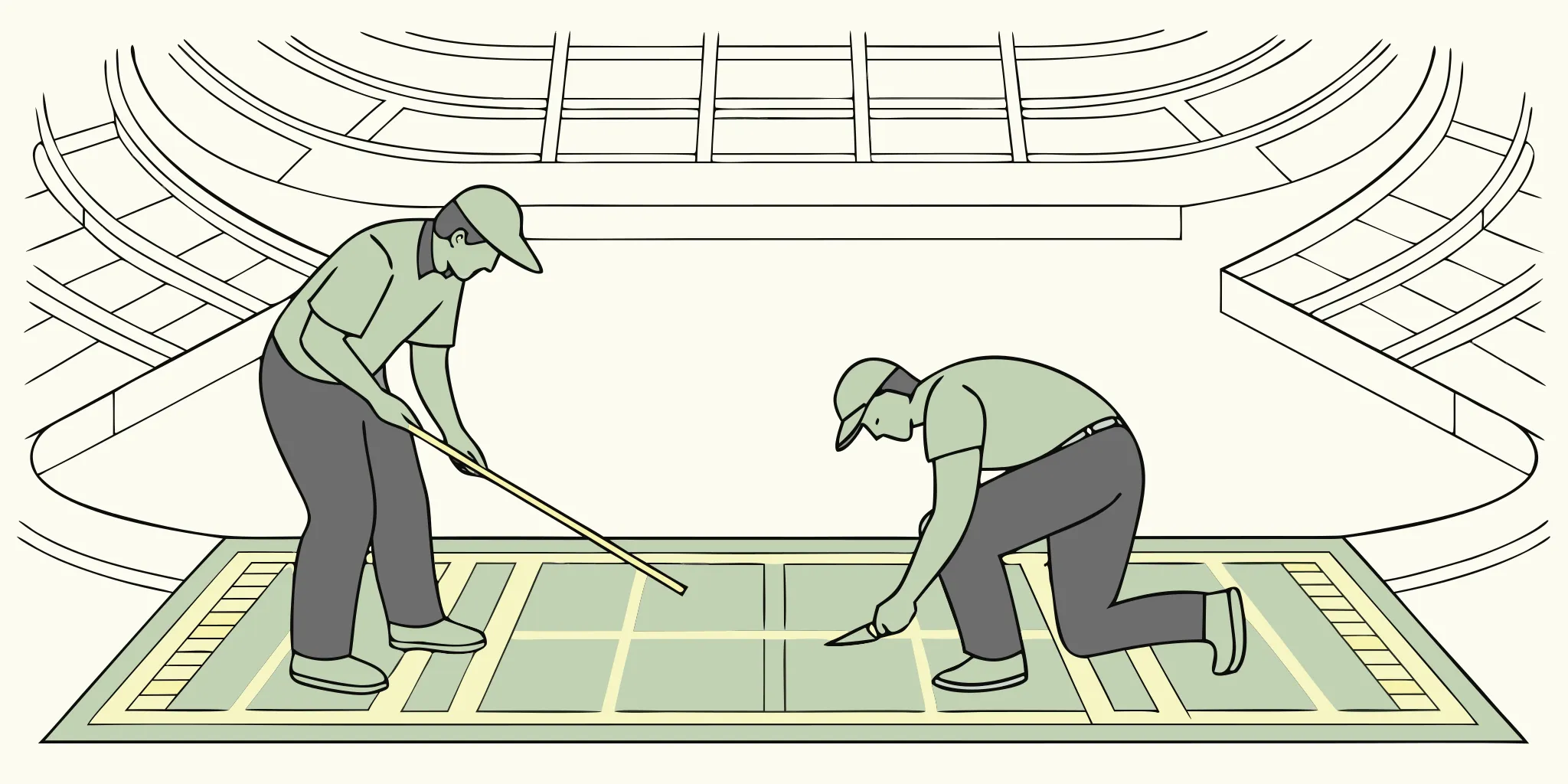
Stadiums are busy hubs that host many events throughout the year. One day might be a pro football game. The next day might host a big concert or a local track meet. Each event needs its own look to help sponsors and guide fans.
Planning these changes takes a high level of skill and care. You must balance the needs of the team, the venue, and the brands. A smooth process keeps everyone happy. It also ensures the graphics look great from the first fan to the last.
Timing for fast print turns
When a team wins big, the brand team must move fast. New ads and fan gear signs need to go up in just a few days. You need a partner who can handle these tight dates and do great work. This starts with clear print dates for the shop. If the files are late, the install will be late too.
Getting sponsor sign-offs is another key step. Brands are very careful about how their logos look. They need to see a proof and agree to it before the print starts. To keep things moving, you should set a firm cut-off time for changes. This helps your temporary campaign changeouts stay on track.
Without a strict plan, you risk missing the window to get the signs up. Seasonal campaigns and playoff runs need a team that can scale up fast. This means having the staff to handle many areas of the stadium at once. A trusted partner will track every date from the first draft to the final install.
Night and off-day installs
The best time to work in a stadium is when it is quiet. Most stadium concourse graphics installation work takes place at night. This gives the crew the space they need to use lifts without blocking fans. It also ensures the work is done in a safe area.
To make the most of this time, every sign needs a labeled spot. Using a master map helps installers find their way through the large venue. This is vital for big sites where many signs look the same. For example, wayfinding signs must point in the right way to keep people safe.
The CDC sets rules for safety signs to keep in mind for short events. Following these rules helps prevent harm. It also keeps the venue in line with national standards.
Choosing films that come off easy
Short-term graphics must be easy to take down. If you use the wrong vinyl, it might stick too well. It could even rip the paint off a wall. Expert installers choose films with low-tack glue for these jobs. These films hold firm during the event but peel away cleanly when it is over.
This saves the venue from costly repairs. It also keeps the walls ready for the next campaign. Cleaning the surface after removal is just as important as the install. Any bits of glue left behind will catch dirt and look bad. It can also make it harder for the next sign to stick.
A pro team uses safe cleaners to wipe down the space after the event ends. This keeps the building in top shape. By choosing a 3M Preferred installer, you get a partner who knows the right film for every wall. The wrong film can leave ghosting on the wall. Expert teams use good vinyl that leaves no trace after removal.
How do you choose materials for walls, windows, and floors?
Choose stadium graphics materials by matching each film to the surface, expected traffic, visibility, and removal timeline. Walls, windows, and floors all need different adhesive systems, laminates, and durability planning.
Choosing the right film for a stadium concourse graphics installation starts with the surface. Each area of a sports venue has different needs for heat, light, and wear. A wall in a busy hall needs a tough film that can take bumps and scrapes. A window needs to show a clear image without blocking the view or light. Floors are the hardest to manage because thousands of people walk on them every day. Using the wrong film can lead to peeling or safety risks.
Selecting films for walls and murals
Walls in stadium halls are often made of rough brick or smooth metal. To get a good bond, you must match the film to the wall’s texture. Cast vinyl is best for rough or curved walls because it can stretch into every nook. Murals also need a matte or gloss shield to stop ink from fading. This layer adds a guard against spills and cleaning tools. For temporary spots, you can use films with a low-bond glue. This makes temporary campaign changeouts quick and keeps the wall clean when the wrap comes off.
Durability is key for high-traffic halls. Vague claims about how long a wrap lasts are not enough for large facilities. Instead, work with a 3M Preferred Installer to get a real 3M MCS Warranty. This can cover your branding for up to 8 or 9 years. This level of care ensures that your colors stay bright and the film stays stuck to the wall. It is a vital step to protect high-value partner branding in the venue.
Window films and clear views
Windows allow for large ads, but they must not block the view of the game or the sky. Perforated window films are the best choice for these spots. These films have small holes that let light through from the back. From the outside, people see a full, bright graphic. From the inside, staff and fans can see right through the glass. This keeps the space feeling open while still showing off team logos or sponsor art.
You must also think about heat and glare. Some window films can help reduce the heat from the sun. This makes the hall more comfortable for fans waiting in line for food. If a window does not need a clear view, a solid film with a clear glue can work. These films block more light but offer a more solid look for the art. In both cases, expert work is needed to avoid air bubbles and ensure the edges do not curl over time.
Floor graphics and safety rules
Floor graphics are a great way to guide fans to their seats or show off a brand. But because people walk on them, they must meet strict safety rules. Every floor film must have a slip-resistant layer. This top part provides a safe grip even when the floor is wet. The glue on the back must also be very strong to stop the edges from lifting. A lifted edge is a trip hazard that could lead to a fall.
Federal rules often apply to signs that guide people through a space. For example, signs that label permanent rooms must follow ADA visual and tactile rules to help with accessibility. While floor graphics are not always part of these rules, clear wayfinding helps everyone move safely. Clear numbering and paths can even help with emergency exit plans. Using high-quality 3M systems ensures that these safety markings stay in place under heavy foot traffic.
Schedule a concourse graphics planning conversation before your next event window fills up.
Frequently Asked Questions
How can stadium concourse signage be easily updated or changed out?
Venue teams use sleek, permanent frame systems to swap signs fast. These rigid frames stay on the wall while crews slide new vinyl banners in and out. This setup helps event teams run fast temporary campaigns for new game sponsors. Expert tips from AP Installations show that these frames cut labor time and stop wall damage.
Why is professional installation important for stadium graphics?
Stadium graphics need expert setup to handle complex, curved surfaces and ensure long-term adhesion. Large vinyl wraps face harsh weather and heavy crowds, which can cause uncertified work to peel or fade. Hiring a 3M Preferred team gives venue managers access to the 3M MCS Warranty for up to nine years. As noted by AP Installations, proper precision setup protects high-value brand images and lowers costs over time.
Are there specific requirements for installing graphics in high-traffic stadium areas?
Signs that mark permanent rooms like restrooms, floors, and exit paths must follow strict safety and legal rules. The U.S. Access Board states that tactile features are required at doorways because doors provide a physical cue for touch. Using steady sign numbers and clear words helps venue traffic flow and improves safety during emergency exits.
What materials are best suited for stadium concourse floor graphics?
Concourse floors need heavy-duty vinyl films built to withstand thousands of walking fans each game. These tough materials use thick slip-resistant top layers and strong glue to stick to rough concrete surfaces. Guidelines from AP Installations show that floor graphics must use media tested for heavy foot traffic to prevent wear and peeling. Proper vinyl wraps provide durable branding that keeps sports venues looking sharp all season long.
Ready to plan your stadium concourse graphics installation?
Get a free consultation for stadium concourse graphics installation with AP Installations.
Waiting to set up your stadium graphics means you lose out on brand value and high sponsorship revenue for your sports venue every single day. Starting your planning now ensures you have plenty of time to avoid stress and lock in the best setup dates for your busy team today. This early start also helps you get a clear site survey and high-quality vinyl films for your signs well before the next season begins.
Ready to book your team? Get a free consultation today to contact AP Installations to plan your stadium concourse graphics installation. We will make sure all your fans have a great visit every time they enter the gates.