Vinyl Graphics Removal Without Surface Damage
Vinyl graphics removal looks simple until a rebrand deadline, brittle old film, adhesive residue, or a sensitive painted surface turns it into a schedule risk. Businesses replacing window graphics, wall murals, fleet graphics, or temporary event decals need a removal plan that protects the surface and leaves the next installation ready to perform.
Planning a graphic refresh? Contact AP Installations to coordinate removal and replacement around your site, fleet, or rollout schedule.
This guide explains when professional removal is worth it, how surface type changes the process, what can cause damage, and how to sequence removal with a new graphics installation. It is written for facilities teams, brand managers, agencies, print partners, and business owners who need the finished surface to look clean, not merely decal-free.
What Is Vinyl Graphics Removal?
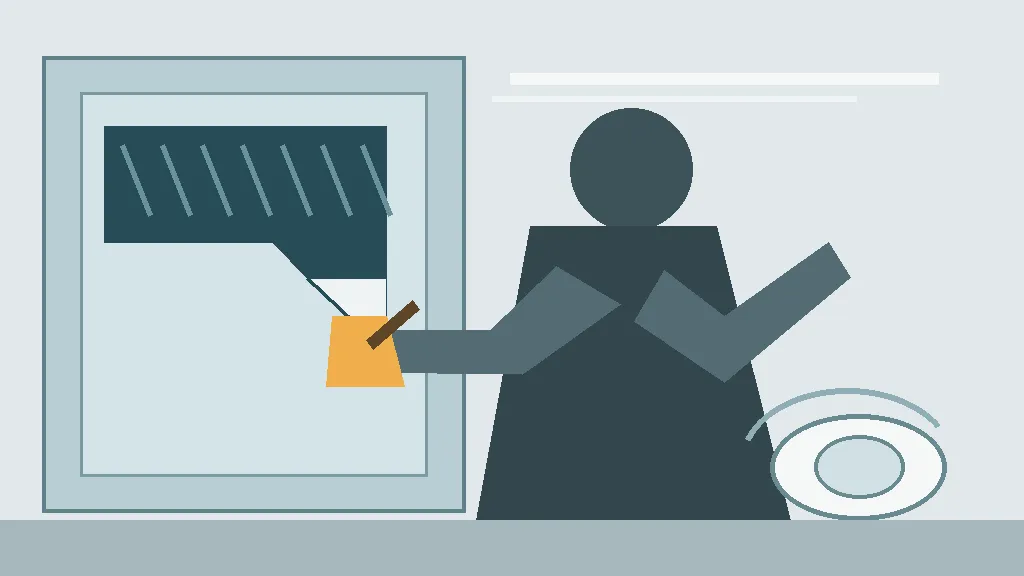
Vinyl graphics removal is the controlled process of lifting installed film, clearing adhesive residue, and preparing the substrate for cleaning, inspection, or a replacement graphic. The right method depends on the film age, adhesive condition, surface material, prior exposure to sunlight, and whether the surface will be rewrapped immediately.
Removal is not the same as peeling a fresh sticker. Commercial films may have been installed across glass panes, painted drywall, vehicle body panels, textured wall finishes, or event materials. Each substrate reacts differently to heat, pulling angle, scraping tools, and adhesive remover. A method that is reasonable on durable storefront glass may be risky on interior paint or aged automotive clear coat.
Search results for this topic often focus on retail decal remover products or small consumer decals. Commercial teams need a broader answer: how to protect the substrate, control downtime, and keep replacement graphics on schedule across larger branded surfaces.
When Is Professional Vinyl Graphics Removal Worth It?
Professional removal is especially valuable when the surface matters after the old graphic comes down. If the goal is a same-day rebrand, a polished storefront, a usable fleet vehicle, or a wall that should not require avoidable patching, removal quality directly affects the next step.
- Older or brittle films: Sun exposure and age can cause vinyl to break into strips or chips instead of releasing in broad sections.
- High-visibility storefronts: Adhesive haze, blade marks, or incomplete edge cleanup can be obvious through glass.
- Painted walls and murals: Pulling too fast or using the wrong heat can lift paint, texture, or underlying finish.
- Fleet graphics: Vehicle paint condition, panel edges, seams, and contour areas make technique important before new branding goes on.
- Multi-location rollouts: Standardized removal and prep help a replacement program look consistent from site to site.
- Tight event timelines: Temporary graphics may need to clear quickly without disrupting venue handoff or strike schedules.
If the old film is small, recently installed, and mounted on forgiving glass, an internal team may be able to manage it. Once the graphic is aged, large, layered, installed over a delicate finish, or tied to a rebrand launch, a professional installer can reduce both cosmetic risk and rework.
Why Can Vinyl Removal Damage a Surface?
Damage usually comes from a mismatch between the removal method and the surface condition. Vinyl adhesive changes over time. Heat, UV exposure, cleaning chemicals, water intrusion at edges, and the original installation surface all affect whether film releases cleanly or fights the removal process.
Adhesive Residue Can Slow Replacement Work
Residue is more than a cosmetic issue. It can collect dust, create inconsistent gloss, interfere with new adhesive contact, or turn a scheduled replacement install into a prep problem. If a new graphic is applied over contaminated glass, paint, or vehicle panels, that shortcut can show later through bubbles, poor edge behavior, or inconsistent finish.
Paint Can Lift With the Film
Interior painted walls vary widely. Paint age, primer quality, wall repairs, humidity history, and film type all matter. A graphics team should assess the wall before removal and explain where the finish may require touch-up after a mural comes down. The realistic goal is controlled removal and clear expectations, not a promise that every painted surface will remain untouched.
Vehicle Finishes Need Extra Care
Fleet graphics removal can expose paint differences between covered and uncovered areas, especially on vehicles that have spent years outdoors. Edges around handles, body lines, rivets, and panel gaps also take longer to clean correctly. For branding teams comparing full and partial vehicle coverage, AP Installations’ guide to fleet graphics vs. fleet wraps helps frame the next replacement decision.
How Surface Type Changes Vinyl Graphics Removal
Surface-specific planning is the core of a safer removal strategy. The same business may have several substrate types in one campaign, such as glass entry graphics, an interior wall mural, and fleet decals that all need to shift to new artwork during one rebrand window.
| Surface | Main Removal Concern | Replacement Planning Note |
|---|---|---|
| Storefront or interior glass | Adhesive haze, edge residue, scratching from poor scraping technique | Clean and inspect glass before installing updated promotions or privacy graphics |
| Painted drywall | Paint lift, texture disruption, prior wall repairs hidden below the mural | Build touch-up time into a mural replacement schedule |
| Fleet vehicle panels | Aged adhesive, clear coat sensitivity, contours, seams, and panel transitions | Confirm vehicle access, wash timing, and panel readiness before new graphics arrive |
| Floors or high-traffic areas | Heavy adhesive wear, dirt at edges, and facility traffic during removal | Coordinate shutdown windows and surface cleaning before reapplication |
| Temporary event surfaces | Fast strike windows, venue rules, and unknown finish durability | Document removal expectations before installation day, not after the event closes |
AP Installations works across window graphics, retail environments, fleet programs, experiential graphics, and large-scale branded surfaces. Reviewing the company’s vinyl graphics installation solutions can help teams map removal needs to the replacement format they want next.
What Does a Professional Removal Process Include?
A disciplined process reduces surprises. It also gives brand and facility stakeholders a clearer answer when they ask how long the old graphics will be down before the new visuals appear.
- Surface review: Confirm the substrate, visible wear, sensitive finish areas, access limits, and whether the new install follows immediately.
- Film assessment: Evaluate film age, edge condition, brittleness, layering, and the likely residue level.
- Controlled release: Use an appropriate combination of heat, pulling angle, and hand tools selected for that surface.
- Residue removal: Address leftover adhesive with methods compatible with the substrate and project requirements.
- Final cleaning: Remove contaminants that could compromise appearance or the next adhesive bond.
- Replacement readiness check: Inspect the finished surface before the new vinyl graphics installation begins.
Need the removal and next install to happen as one coordinated project? Request a project conversation before production dates are locked.
That readiness check matters. A team can finish removal and still not be ready for replacement if residue, wall damage, or environmental conditions need attention. Catching that before installers open new graphics protects the schedule and the finished visual result.
How Should Businesses Plan Removal During a Rebrand?
For rebrands, removal is one step inside a larger sequence. The graphic is not finished when the old vinyl disappears. It is finished when the updated site, vehicle, or environment communicates the new brand clearly and consistently.
Start With an Asset List
List every graphic that changes: window vinyl, door hours, wall murals, fleet identifiers, temporary promotions, floor graphics, wayfinding, and event displays. Separate items that need removal only from items that require removal plus immediate replacement. This prevents a storefront or vehicle from sitting half-updated.
Match Removal Windows to Business Operations
Retail teams may prefer low-traffic store hours. Fleet managers may stage vehicles by route availability. Facilities leaders may need to protect customer-facing areas while walls are being cleared. A schedule that respects operations is often more valuable than the fastest theoretical removal time.
Coordinate With Print and Install Timing
Do not wait until graphics arrive to ask whether the old film can come off cleanly. Early evaluation can flag aged wrap areas, painted walls that may need repair time, or large windows that require a more careful prep schedule. AP Installations often serves as the specialized installation partner within broader graphics programs, helping print shops, agencies, and businesses align field conditions with launch dates.
Use Maintenance History to Improve the Next Cycle
Cleaning habits and exposure conditions influence how graphics age. If one location has stubborn adhesive or visibly worn edges, record it. The related guide on vinyl graphics maintenance tips explains how ongoing care can support longer visual life after the replacement goes live.
Removal Considerations for Common Business Applications
Window Graphics and Storefront Promotions
Storefront glass creates immediate first impressions. Removal should leave sightlines clean and reduce the chance of adhesive shadows around former letters, printed panels, or perforated graphics. Teams planning new customer-facing messaging may also benefit from AP Installations’ guide to retail window graphics installation.
Wall Murals and Branded Interiors
Wall graphics can turn a lobby, office, venue, or retail environment into a branded experience, but the wall underneath may not behave like glass or metal. If a mural is tied to a tenant turnover, campaign refresh, or headquarters rebrand, include inspection and touch-up decisions in the project plan.
Fleet Graphics and Commercial Vehicles
Fleet removal requires operational coordination. Vehicles must be available, reasonably clean, and staged so the work does not interfere with active routes more than necessary. Replacement strategy can range from updating identifiers to shifting the entire visual system. For businesses evaluating broader vehicle branding, the fleet vehicle wraps business guide provides useful planning context.
Temporary Event Decals
Event graphics often carry a short deadline on both ends. They need to install on time and remove during strike without surprising the venue. Confirm the venue surface rules, the timing window, and who owns final cleanup before the activation opens.
What Should Be Ready Before Replacement Graphics Are Installed?
A clean removal does not automatically mean the surface is ready. Replacement work deserves its own go or no-go checklist.
- The old graphic and visible adhesive residue are cleared to the level required for the new application.
- The substrate has been inspected for chips, peeling paint, cracks, oxidation, heavy dirt, or repairs that affect finish quality.
- Any paint or facility repair responsibility is assigned before installers arrive with the new graphics.
- Graphics files, production panels, and installation sequence match the revised site or vehicle list.
- Access, lift needs, vehicle staging, and operating-hour restrictions are confirmed.
- The replacement install has a realistic buffer if removal reveals a surface issue.
This checklist is useful for a single storefront and even more valuable for regional brand rollouts. It separates avoidable surprises from real field conditions and gives every stakeholder a shared picture of readiness.
How AP Installations Supports Removal and Replacement
AP Installations brings a commercial installation mindset to graphic transitions. The team is a 3M Preferred Installer serving businesses and organizations across the Pacific Northwest, with experience across murals, fleet graphics, windows, walls, floors, pop and retail installations, and experiential applications. That perspective matters because removal decisions should support the finished replacement, not create the next problem.
Businesses can use AP Installations for project conversations that account for surface condition, brand timing, access, and the next installation path. Agencies and print partners can also bring the installation team into planning early when field conditions may shape the rollout schedule.
If your next rebrand or graphics refresh includes vinyl graphics removal, contact AP Installations to discuss the surface, timeline, and replacement plan.
Frequently Asked Questions About Vinyl Graphics Removal
Can vinyl graphics be removed without damaging paint?
Sometimes, but the answer depends on paint condition, surface prep, age, and how strongly the film has bonded. Professional removal can reduce risk through controlled technique, but older paint, weak primer, prior repairs, and aged adhesives can still create touch-up needs.
Does adhesive residue need to be removed before new graphics are installed?
Yes. Residue and surface contamination can affect the appearance and adhesion of replacement graphics. A replacement plan should include residue removal, cleaning, and a readiness inspection before the next film is applied.
Is graphics removal different for vehicles than storefront windows?
Yes. Glass is typically more tolerant of certain cleanup methods than automotive paint and clear coat. Fleet panels also include contours, seams, handles, and edges that require careful removal and prep before new vehicle graphics are installed.
When should removal be scheduled during a rebrand?
Schedule it early enough to expose surface issues before the new graphics installation window. For critical launches, confirm removal scope, replacement production timing, and access requirements before the final field schedule is approved.