Your storefront windows are valuable real estate, but are you making the most of them? Window vinyl can transform plain glass into a powerful tool for branding, advertising, or privacy. However, a sloppy application with bubbles and wrinkles can do more harm than good for your business’s image. A professional finish requires more than just a steady hand; it demands the right tools, preparation, and technique. This guide breaks down the entire process of a successful window vinyl installation, from choosing the right materials for the Pacific Northwest climate to the final squeegee swipe that ensures a flawless, long-lasting result.
Key Takeaways
- Proper prep is the foundation for success: Before applying any vinyl, thoroughly clean the glass with rubbing alcohol and check that the temperature is moderate. This simple step is the best way to prevent peeling and ensure a strong, long-lasting bond.
- Use the right technique for a bubble-free finish: The wet method gives you repositioning power for large graphics, while a squeegee is your essential tool for a smooth result. Work slowly from the center out to push air away and ensure full adhesion.
- Leave large or intricate projects to the pros: A DIY approach is great for simple decals, but for anything complex, a certified installer is your best bet. They have the tools and experience to deliver a flawless result that protects your investment and represents your brand perfectly.
What Is Window Vinyl and Why Use It?
Think of window vinyl as a high-performance, adhesive film designed specifically for glass surfaces. It’s far more than just a sticker; it’s a powerful tool for transforming your windows into a canvas for branding, advertising, or decoration. Made from durable materials, vinyl graphics are built to last, standing up to the elements without the need for constant upkeep. For business owners, this means you can turn a plain storefront into a vibrant marketing asset or add a layer of privacy to your office space without a costly renovation.
One of the biggest advantages of using window vinyl is its versatility. Whether you want a simple, elegant logo on your front door or a full-color mural that covers an entire wall of glass, there’s a vinyl solution for you. These graphic solutions can be opaque, translucent, or even perforated to allow for one-way visibility. Beyond aesthetics, high-quality vinyl can also offer practical benefits. Certain films can help reduce glare and UV ray exposure, which can contribute to a more comfortable and energy-efficient indoor environment. It’s a simple, effective way to make your glass work harder for your business.
Common Uses for Window Vinyl
You’ve likely seen window vinyl in action without even realizing it. Its most common applications are on storefronts, where businesses use it to display logos, announce sales, or list their hours of operation. It’s also a go-to for adding privacy to conference rooms and offices with frosted or etched designs. Another popular use is on vehicles; perforated vinyl on the rear window of a company car turns it into a mobile billboard that doesn’t obstruct the driver’s view. From intricate designs on restaurant windows to bold branding on corporate office buildings, the uses are nearly endless. You can see some great examples in our portfolio of past projects.
The Benefits of a Professional Installation
While a DIY approach might seem tempting, a professional installation is the best way to protect your investment and get a flawless result. Improper application can lead to bubbles, wrinkles, and peeling edges that cheapen your brand’s look. More importantly, a poor installation can cause long-term problems, especially in the Pacific Northwest’s wet climate. Trapped moisture can lead to seal failure and other issues down the road. A certified professional, like a 3M Preferred Installer, has the training and tools to prepare the surface correctly and apply the vinyl for maximum durability, ensuring it looks perfect and lasts for years.
Your Window Vinyl Installation Toolkit
Getting a professional-looking finish for your window graphics starts long before the vinyl touches the glass. It begins with gathering the right tools for the job. Just like a chef needs the right knives, a successful vinyl installation requires a specific toolkit. Having these items on hand will make the process smoother and help you avoid common mistakes like bubbles, wrinkles, and poor adhesion. Think of this as your pre-flight checklist for a flawless application. With the right preparation and equipment, you set yourself up for a result that looks clean, crisp, and ready to represent your brand.
Essential Tools for the Job
Before you begin, gather your supplies so everything is within arm’s reach. A basic installation kit should include a few key items. You’ll want a window cleaning spray, a clean microfiber cloth to prevent lint from getting trapped under the vinyl, and masking tape to position your graphic without leaving sticky residue. Of course, the most important part of your kit is the graphic itself, which should come from a quality printer. For application, you’ll need a sharp vinyl cutter or utility knife for precise trimming and a plastic squeegee to smooth out the film and press out any air bubbles. A credit card can work in a pinch, but a real squeegee gives you better control.
Choosing the Right Vinyl for the Pacific Northwest
Here in the Pacific Northwest, our weather adds a unique challenge to any exterior installation. The constant moisture and fluctuating temperatures mean not just any vinyl will do. You need a material specifically designed to withstand damp conditions without peeling, cracking, or fading. Choosing a high-quality, durable vinyl is critical for longevity and ensuring your investment looks great for years. As a 3M Preferred Installer, we have deep expertise in selecting materials that are proven to hold up against the PNW climate, so your window graphics remain vibrant and secure, season after season. This is one area where quality truly matters.
Supplies for Prepping Your Surface
The single most important step for a lasting application is surface preparation. Any dirt, dust, or residue on the glass will prevent the vinyl from adhering properly. Your prep kit should be simple: rubbing alcohol and a few lint-free cloths. A thorough cleaning with rubbing alcohol will remove any oils or grime from the glass. After cleaning, make sure the window is completely dry before you even think about applying the graphic. If you’re replacing an old decal, you’ll also need to remove every trace of old adhesive. A clean, dry surface is the foundation for all successful vinyl graphic solutions.
How to Prep Your Windows for a Flawless Finish
A great installation starts long before the vinyl touches the glass. Think of preparation as the foundation for a professional-looking, long-lasting graphic. Skipping these steps is the fastest way to end up with bubbles, peeling edges, and a finish that undermines your brand’s image. Taking a little extra time to prepare your windows properly makes all the difference, creating a perfect canvas that helps your new graphics look their best and stand the test of time. Let’s walk through the three key areas of preparation: cleaning the surface, checking the environment, and planning your layout.
Step-by-Step Surface Preparation
This is the most critical step. Even a window that looks clean can have invisible dust or oils that will prevent the vinyl from adhering properly. Start by wiping the glass down with rubbing alcohol on a lint-free cloth to remove any grease or residue. After that, rinse the area with water and dry it completely with a clean microfiber cloth. Make sure to get into the corners and along the edges of the frame. Any leftover moisture or tiny specks of dust can create bubbles or cause the vinyl adhesive to fail over time, so it’s worth being meticulous here.
Temperature and Environmental Checks
Vinyl can be particular about the weather—it doesn’t like conditions that are too hot or too cold. For the best results, the glass surface and the air temperature should be between 40°F and 90°F. Applying graphics in colder temperatures can make the vinyl brittle and prevent the adhesive from bonding correctly. On the other hand, installing in direct, hot sunlight can make the vinyl too pliable and cause the adhesive to become overly aggressive, making it difficult to position. In the Pacific Northwest, it’s always a good idea to check the forecast and plan your installation for a mild, dry part of the day.
Measuring and Planning Your Layout
You’ve heard “measure twice, cut once,” and the same principle applies here. Before you even think about peeling the backing paper, you need a solid plan. Start by measuring your window to confirm your graphic will fit as expected. To ensure your graphic is perfectly straight, use a level and some masking tape to create guidelines. A popular pro-tip is the hinge method. You can do this by placing a strip of masking tape across the top of your graphic to hold it in place, creating a hinge that lets you lift the vinyl, remove the backing, and apply it smoothly from top to bottom.
Applying Window Vinyl: A Step-by-Step Guide
With your windows prepped and your tools ready, it’s time for the main event. Applying vinyl graphics requires patience and a steady hand, but following the right steps can make all the difference between a bubbly mess and a flawless finish. Whether you’re working with a small decal or a large-scale graphic, the core principles of positioning, application, and finishing remain the same. Let’s walk through the process the way the professionals do it.
Wet vs. Dry: Which Application Method Is Best?
Choosing your application method depends largely on the size of your graphic. For larger window graphics, the wet method is your best friend. This technique involves spraying the glass with a solution of water and a tiny drop of baby shampoo. This slip solution allows you to slide the vinyl around and get the positioning just right before it fully adheres. For smaller decals and lettering, the dry method works perfectly. Often called the hinge method, this involves peeling back only part of the backing paper, applying the exposed adhesive, and then smoothing the rest of the decal down.
Positioning Your Vinyl for Perfect Placement
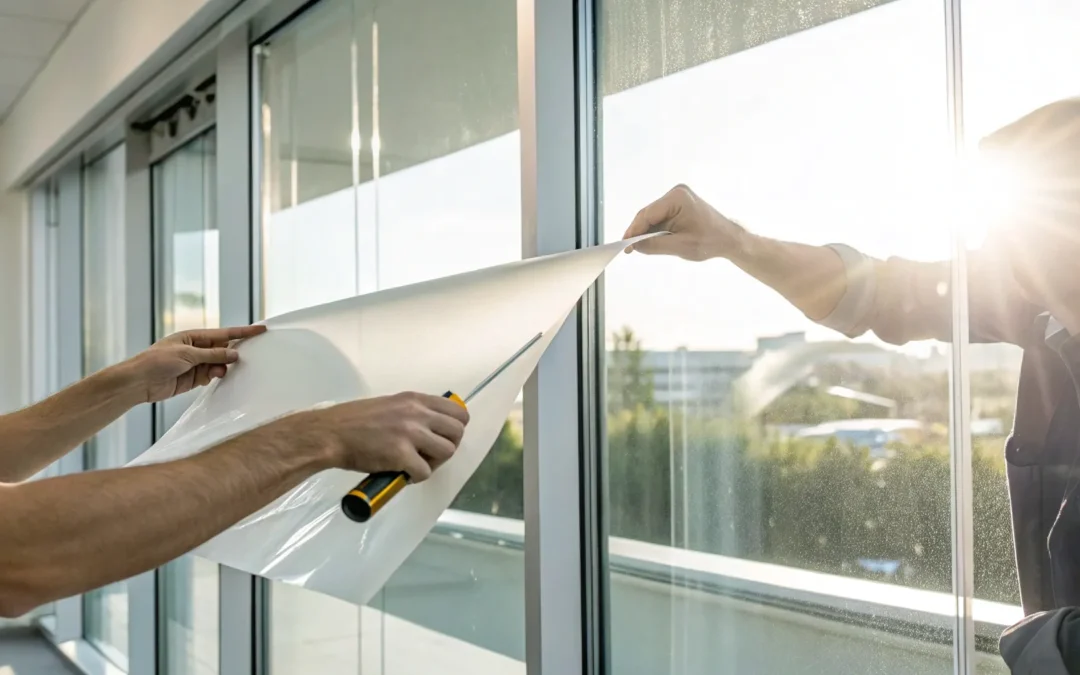
Nothing is more frustrating than stepping back to see a crooked decal. To guarantee perfect placement, use painter’s tape. Start by positioning your graphic on the window and use a level to make sure it’s straight. Once you’re happy with the spot, apply a long piece of tape across the middle of the decal, extending onto the glass on both sides. This creates a hinge, holding your graphic securely in place. You can then lift one side of the vinyl, peel away the backing paper to the hinge, cut it off, and smooth the vinyl onto the glass. Repeat on the other side for a perfectly aligned application.
Squeegee Techniques for a Bubble-Free Look
Your squeegee is the key to a smooth, professional finish. Once your vinyl is in place, you need to force out any trapped air or water. Start from the center of the graphic and work your way out to the edges. Use firm, overlapping strokes with your squeegee, holding it at about a 45-degree angle. This methodical approach pushes any bubbles or moisture out from under the vinyl, ensuring it makes full contact with the glass. Take your time here—thorough squeegee work is what prevents wrinkles and creates that seamless, painted-on look.
Trimming and Finishing Touches
With the vinyl applied, it’s time for the final details. If your graphic extends past the edge of the glass, carefully trim the excess material with a sharp utility knife. For the cleanest look, try to leave a tiny, consistent gap between the edge of the vinyl and the window frame or gasket. Once trimmed, give the graphic a final wipe-down with a clean, soft cloth to remove any remaining application fluid or fingerprints. It’s a good idea to avoid washing the window or using harsh cleaners for a few days to allow the adhesive to fully cure and set.
Common Installation Mistakes to Avoid
Even with the best tools and preparation, applying vinyl can be tricky. A few common missteps can turn a great design into a frustrating mess of bubbles and wrinkles. The most frequent issues often stem from rushing the process or misjudging the environment. Attaching the vinyl securely to the window frame without trapping air or moisture is where many DIY projects go wrong. Even small sizing errors can create gaps, compromising the look and longevity of your graphic. But with a little patience and the right techniques, you can sidestep these common problems for a much smoother finish.
How to Prevent Bubbles and Wrinkles
Bubbles and wrinkles are the tell-tale signs of a rushed installation. The key to avoiding them is a slow, methodical approach with your squeegee. Once your vinyl is in place, press it firmly to the glass, working from the center outwards. Use straight, overlapping strokes to systematically push air out from under the graphic. If you see a bubble forming, gently lift the vinyl just enough to release the air and re-apply it. Remember, patience is your most valuable tool here. Taking your time at each step is the best way to achieve a smooth finish and ensure your decal looks professional and clean.
Avoiding Moisture Issues and Seal Failure
Here in the Pacific Northwest, we know all about moisture. Our relentless rain and temperature swings can be tough on exterior graphics if they aren’t installed perfectly. Improper installation is the primary cause of seal failure, which allows moisture to creep in behind the vinyl. This can lead to peeling, discoloration, and long-term damage to the window itself. Choosing high-quality, weather-appropriate vinyl is the first step, but ensuring a perfect seal is critical. A professional installation guarantees that your graphics can handle the local climate, preventing leaks and drafts that can cause bigger problems down the road.
Post-Installation Care and Curing
Your job isn’t quite done once the vinyl is on the glass. The adhesive needs time to cure and form a strong bond, a process that can take a day or more depending on the vinyl and conditions. During this time, avoid washing the window or exposing the graphic to harsh conditions. Once cured, maintenance is simple. To keep your vinyl looking its best, use only mild, non-abrasive cleaners and a soft cloth. Harsh chemicals or scrub brushes can scratch the surface or cause the edges to lift. Gentle care will go a long way in preserving the life and vibrancy of your window graphic.
When to Call in the Pros at AP Installations
While smaller decals can be a fun DIY project, large-scale or complex graphics are often best left to the experts. If you’re working with intricate designs, covering a massive window, or applying graphics to a fleet of vehicles, a professional installer ensures the job is done right the first time. As 3M Preferred Installers, we have the specialized tools and experience to handle the unique challenges of any project, especially in the PNW climate. Hiring a pro saves you time, prevents costly material waste, and delivers a flawless, durable result that represents your brand perfectly. When you’re ready for a guaranteed great finish, get in touch with our team.
Related Articles
- AP Installations Blog | Vinyl Graphics, Wrap & Installation Tips
- Car Window Vinyl Decals: Your Complete Guide
- Custom Cut Vinyl Lettering: A Complete Guide
- The Ultimate Guide to Truck Wrap Installation
- How to Wrap a Car Professionally: A 9-Step Guide
Frequently Asked Questions
How long will my window graphics last in the Pacific Northwest weather? The lifespan of your window vinyl really depends on two things: the quality of the material and the quality of the installation. A high-quality, exterior-grade vinyl that’s professionally installed can last for several years, even with our constant rain and changing temperatures. The key is using a material designed to resist moisture and UV fading, and ensuring it’s applied with a perfect seal to prevent water from getting underneath.
Is it possible to fix a bubble or wrinkle after the vinyl is applied? For small bubbles that appear after application, you can sometimes fix them. The best trick is to use a pin to poke a tiny hole in the center of the bubble and then use your squeegee or a credit card to gently press the trapped air out. However, preventing them in the first place with a slow, methodical squeegee technique is always the better approach. Wrinkles are much harder to fix and usually mean you need to lift and reapply that section, which can be risky.
When should I attempt a DIY installation versus calling a professional? A DIY approach can work well for small, simple decals like your business hours or a small logo on a door. If you’re patient and follow the preparation steps carefully, you can get a great result. However, for large graphics, intricate lettering, or projects that cover entire windows, it’s best to call in a professional. The risk of costly mistakes is much higher with bigger pieces, and an expert ensures a flawless, durable finish that represents your brand well.
What’s the best way to clean my windows once the vinyl is installed? After the adhesive has had a few days to fully cure, you can clean your windows as needed. The most important thing is to be gentle. Use a soft cloth, like a microfiber towel, and a mild cleaning solution of soap and water. Avoid using any abrasive scrubbers, harsh chemicals like ammonia, or a pressure washer, as these can scratch the vinyl or cause the edges to lift over time.
Can I apply vinyl graphics to any type of glass? Vinyl adheres best to smooth, non-porous glass surfaces. Standard window panes and glass doors are perfect canvases. It’s not recommended for frosted, etched, or heavily textured glass, as the uneven surface prevents the adhesive from creating a strong, uniform bond. This can lead to air gaps and peeling. For a lasting application, always start with a clean, smooth piece of glass.