
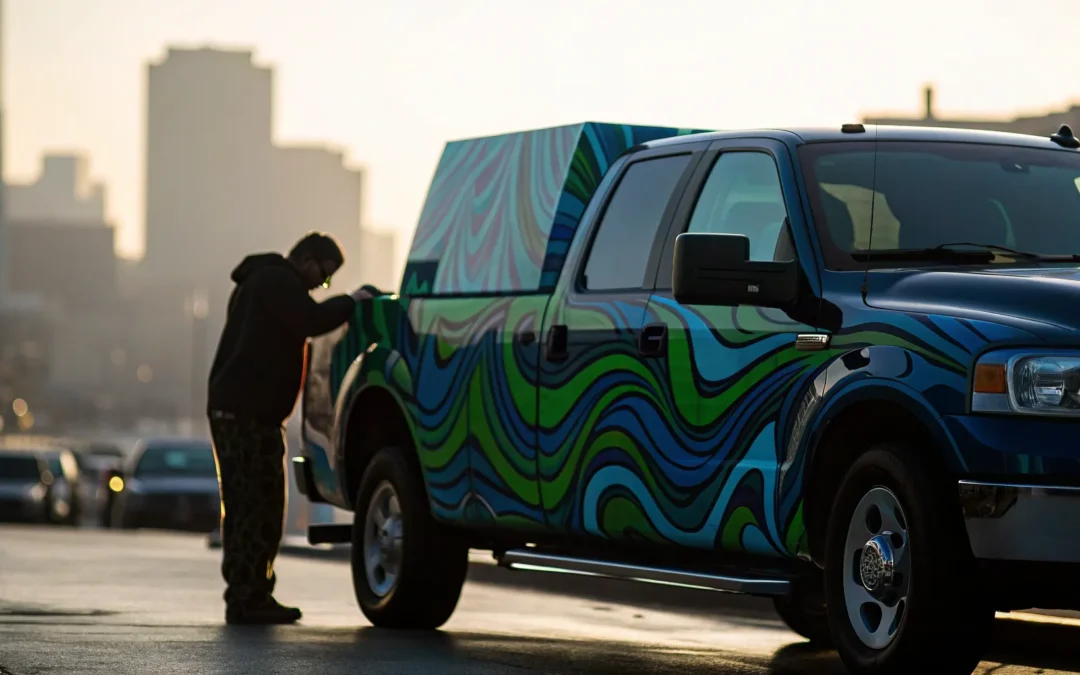
Your company truck is more than just a way to get from A to B; it’s a blank canvas waiting to tell your brand’s story. While a fresh coat of paint is one option, a vinyl wrap offers unmatched flexibility, protection, and design potential. You can achieve vibrant, complex graphics that would be incredibly costly and time-consuming with paint. But turning that vision into a reality requires a specific set of skills and a deep understanding of the materials. We’re going to explore every phase of the truck wrap installation process, from choosing the right vinyl to the aftercare that keeps it looking new for years.
Key Takeaways
- Flawless Wraps Start with Flawless Prep: The success of your project hinges on creating a perfect canvas. A deep clean to remove all contaminants and repairing any surface imperfections are the most critical steps for ensuring the vinyl adheres properly and looks smooth.
- Master Your Tools and Technique: Achieving a paint-like finish requires more than just good vinyl. Learn to use a squeegee with firm, overlapping strokes and a heat gun to gently stretch the material over curves, which prevents the most common application mistakes like bubbles and wrinkles.
- Protect Your Investment with Smart Aftercare: The work isn’t over after the final squeegee. To keep your wrap looking vibrant, allow the adhesive to cure for a week, stick to a routine of gentle handwashing, and park in the shade whenever possible to protect it from UV damage.
Why Choose a Vinyl Wrap Over a New Paint Job?
When it’s time to update your truck’s appearance, you’re essentially looking at two main paths: a traditional paint job or a modern vinyl wrap. While a fresh coat of paint has its place, vinyl wraps offer a unique combination of flexibility, protection, and style that makes them an incredibly smart choice for business vehicles. A wrap isn’t just a cosmetic upgrade; it’s a strategic investment in your brand’s mobile presence. It allows you to transform your truck into a moving billboard with stunning graphics or simply change its color without a permanent commitment. Let’s break down why a high-quality vinyl wrap often comes out on top.
The Advantages of Vinyl Over Paint
One of the biggest wins for vinyl is its cost-effectiveness, especially when you’re aiming for a custom look. A complex, multi-color paint job can be incredibly expensive, whereas a vinyl wrap can achieve the same dynamic effect for a fraction of the cost. Beyond the budget, a wrap acts as a protective layer for your truck’s original paint, shielding it from minor scratches, road debris, and sun damage. This preserves your vehicle’s resale value. When you’re ready for a change, a professional can remove the wrap without harming the paint underneath, giving you the freedom to explore new solutions for your branding.
Comparing Cost, Durability, and Lifespan
When you invest in your vehicle’s appearance, you want it to last. With proper care, a professionally installed vinyl wrap can look great for five to seven years, making it a durable and long-lasting choice. The installation process is also significantly faster than a new paint job. While painting can take your truck out of commission for a week or more, a full wrap is typically completed in just one to three days. For businesses with a fleet, this quick turnaround is a huge advantage, minimizing downtime and getting your branded vehicles back on the road where they belong.
Endless Design Options (That You Can Always Change)
This is where vinyl truly shines. Your imagination is the only limit. Whether you want a sleek matte black finish, a vibrant color that pops, or a fully custom-printed design featuring your company’s logo and messaging, vinyl can make it happen. Our team can bring even the most detailed projects to life. This flexibility is perfect for marketing campaigns or businesses that evolve over time. If you rebrand or simply want to refresh your look in a few years, you can. A vinyl wrap gives you the power to completely transform your truck’s identity whenever you choose, ensuring your vehicle always represents your brand perfectly.
Your Truck Wrap Toolkit: What You’ll Need
Getting a professional result starts long before the vinyl touches your truck. Just like any craft, success comes down to having the right tools and materials ready to go. Gathering your toolkit ahead of time saves you from frustrating interruptions and helps the entire process run smoothly. A well-prepared workspace and high-quality supplies are your best bet for achieving that seamless, paint-like finish you’re aiming for. When you use the same caliber of tools and materials that the pros use, you’re setting yourself up for a much better outcome.
Of course, having the right tools is only half the battle; knowing how to use them is what truly brings a project to life. That’s where professional expertise makes a difference in delivering flawless fleet graphics and wraps. But if you’re committed to the DIY route, starting with the right gear is non-negotiable.
The Must-Have Tools for a Flawless Finish
To get started, you’ll need a few key items. A high-quality squeegee is essential for applying pressure and smoothing out air bubbles as you go. You’ll also need a heat gun to gently warm the vinyl, making it more pliable and easier to stretch over curves and into recesses. For trimming, a sharp utility knife is a must—always use a fresh blade to get clean cuts and avoid tearing the material. Don’t forget a measuring tape for accuracy, cleaning alcohol to prep the surface, and a pair of lint-free gloves to keep fingerprints and oils off the vinyl’s adhesive side.
How to Select the Best Vinyl for Your Project
The vinyl you choose will make or break your project. While it might be tempting to save a few dollars on a generic brand, investing in a high-quality cast vinyl from a trusted manufacturer is crucial for both application and longevity. Top-tier brands like 3M and Avery Dennison are known for their durability, vibrant colors, and air-release technology, which makes smoothing out bubbles much easier. These premium materials are what professionals use to ensure a wrap can withstand the elements and look great for years. Choosing a quality vinyl is the single most important decision you’ll make for your truck wrap.
Creating the Perfect Installation Environment
Where you work is just as important as the tools you use. The ideal space for a vinyl installation is a clean, dust-free, and well-lit garage. You want to avoid working outside where wind can blow debris under your wrap and direct sunlight can overheat the vinyl, making it difficult to handle. The perfect temperature is between 70 and 80 degrees Fahrenheit. If it’s too cold, the vinyl will be stiff and won’t adhere properly; if it’s too hot or humid, the adhesive can become overly aggressive. Controlling your environment gives you the best chance at a bubble- and wrinkle-free finish.
Prepping Your Truck for a Perfect Wrap
If you want your truck wrap to look incredible and last for years, the real work begins long before the vinyl touches the paint. Proper preparation is the single most important factor in a successful installation. Think of it as creating the perfect canvas for a masterpiece; any shortcuts you take here will show up in the final product. We’re talking about frustrating bubbles, peeling edges, and a wrap that starts to fail long before it should. A pristine surface is what allows the vinyl’s adhesive to form a powerful, lasting bond, giving you that smooth, paint-like finish you’re after.
Skipping these steps is a recipe for disappointment. You can have the highest quality vinyl and the most skilled installer, but if the surface isn’t perfectly prepped, the wrap is destined to have issues. By dedicating time to a thorough prep process, you’re not just cleaning a truck—you’re investing in the quality and durability of your brand’s image. At AP Installations, we know that meticulous preparation is the foundation of all our certified installations, which is why we never cut corners. Let’s walk through the three essential stages of getting your truck ready for its new look.
Start with a Deep Clean
You’ll need to clean your truck like it’s never been cleaned before. Every trace of dirt, wax, road grime, and oil must be removed. Why? Because even a tiny speck of dust can create a bubble under the vinyl, and any oily residue will prevent the adhesive from bonding properly, leading to lifting and peeling down the road.
Start with a comprehensive wash using soap and water, paying special attention to panel gaps, wheel wells, and under the bumpers. Once it’s dry, the crucial final step is to wipe down the entire surface with isopropyl alcohol. This removes any lingering contaminants and ensures the surface is perfectly prepped for the vinyl. A clean surface is a non-negotiable first step for a flawless application.
Disassemble Trim and Hardware
This step is what separates a good wrap from a great one. To get the cleanest lines and most durable finish, you need to remove any hardware that’s easy to take off. This includes door handles, emblems, badges, lights, and antennas. While you can technically cut the vinyl around these obstacles, it creates seams that can collect dirt and begin to peel over time.
By removing these components, you can wrap the vinyl smoothly over the entire panel and tuck the edges into the recesses. This gives you a truly seamless, professional look that mimics a high-end paint job. Just be sure to keep all your screws and parts organized in labeled bags so reassembly is a breeze when you’re finished.
Inspect and Repair Surface Imperfections
Vinyl film is thin and will conform to whatever is underneath it. That means any deep scratches, rock chips, peeling clear coats, or dents will be visible through the wrap. Before you even think about applying the vinyl, run your hand over every surface of the truck. Your fingers will often find imperfections your eyes might miss.
Take the time to repair any significant damage. Small chips can be filled and sanded smooth, and any rust spots must be completely removed and sealed. Applying vinyl over rust will only trap moisture and accelerate the corrosion process. A smooth, sound surface is essential for the wrap to look its best and adhere properly for the long haul.
The Step-by-Step Vinyl Application Process
With your truck prepped and your tools ready, it’s time to start the application. This is where precision and patience really pay off. The key is to work methodically, moving from the easiest sections to the most complex. Rushing through these steps can lead to bubbles, wrinkles, and misalignment that are difficult to fix later. By breaking the process down into manageable stages, you can achieve a smooth, professional-looking finish that transforms your vehicle. Remember to work in a clean, controlled environment to keep dust and debris from getting trapped under the vinyl.
Tackling Flat Surfaces First
Always begin with the largest, flattest areas of the truck, like the hood, roof, or the sides of the box. Starting here allows you to get a feel for how the vinyl handles without immediately wrestling with complex curves. Lay the vinyl panel over the surface, giving yourself a few extra inches of material on all sides. This approach helps you anchor the graphic securely, creating a solid foundation to work from. Getting these large sections right builds momentum and makes it much easier to align the rest of the wrap as you move onto more challenging parts of the vehicle. You can see this principle in action on professionally installed fleet graphics, where large, flat logos and text look seamless.
Mastering Curves and Complex Contours
Once the flat surfaces are done, you can move on to the trickier parts, like bumpers, side mirrors, and deep body channels. This is where technique is everything. For curved areas, you’ll need to gently heat the vinyl with a heat gun to make it pliable. As the material softens, you can stretch it carefully to conform to the shape of the panel. Use your squeegee to apply pressure from the center outward, pushing out any trapped air. This prevents wrinkles and eliminates “fingers”—the small, bunched-up areas of vinyl that can form around tight curves. It takes a steady hand and a bit of practice to get it just right.
Proper Squeegee and Heat Gun Techniques
Using your tools correctly is critical for a bubble-free finish. When applying vinyl, hold your squeegee at a 45-degree angle and use firm, overlapping strokes. This ensures you’re pushing all the air out from under the film. For larger sections, you can use a technique called “glassing out,” where you create tension by lightly stretching the vinyl across the panel before squeegeeing it down. When using a heat gun, keep it moving to avoid overheating one spot, which can damage the vinyl. The goal is to warm the material just enough to make it soft and workable. This level of precision is why working with a certified installer makes such a difference.
Making Clean Cuts and Finishing the Edges
The final application step is trimming the excess vinyl and finishing the edges. Use a sharp craft knife with a fresh blade for the cleanest cuts. Carefully trim the vinyl along panel gaps and edges, leaving just enough material to wrap around the edge and secure it on the backside. This creates a seamless, paint-like look and prevents the edges from lifting over time. For intricate cuts or designs, knifeless tape is an excellent tool that allows you to cut the vinyl without ever touching the vehicle’s paint with a blade. Once trimmed, go back over all the edges with your heat gun to post-heat them, which locks the adhesive and ensures a durable, long-lasting bond.
Common Pitfalls and How to Avoid Them
Even the most carefully planned project can hit a snag. When it comes to vinyl installation, a few common mistakes can turn a dream design into a frustrating mess of bubbles, wrinkles, and peeling edges. But knowing what to watch out for is half the battle. The difference between a DIY disaster and a professional-grade finish often comes down to avoiding a few critical errors related to your preparation, application technique, and material handling.
Think of this as your guide to sidestepping those rookie mistakes. We’ll walk through the most frequent issues that pop up during a truck wrap installation and give you clear, actionable advice on how to prevent them from happening in the first place. Getting these details right will save you time, money, and the headache of having to fix mistakes later on. A little extra care in these key areas ensures your truck wrap looks incredible from day one and for years to come.
Mistakes in Prep and Environment
You can have the highest quality vinyl and the best tools, but if your truck’s surface isn’t perfectly clean, the wrap is destined to fail. This is truly the most important step. Any lingering dirt, wax, or oil will prevent the vinyl’s adhesive from forming a strong bond, leading to bubbles and premature peeling. Before you even think about applying the film, give your truck a thorough cleaning.
Your workspace is just as important as the surface itself. Trying to install a wrap outdoors or in a dusty garage is a recipe for frustration. You need a clean, well-lit, and temperature-controlled space, ideally a garage, to keep dust and debris from getting trapped under the vinyl. A stable, warm temperature helps the vinyl remain pliable and easy to work with, ensuring your graphic solutions adhere correctly.
Application and Timing Errors
Rushing the application process is a guaranteed way to end up with wrinkles and misalignment. When you’re working with large sheets of vinyl, especially on the side of a truck bed, take the time to position and level the entire piece before you start squeegeeing it down. A common mistake is to start applying from one end without checking the alignment on the other, resulting in a crooked graphic that’s difficult to fix.
A smart strategy is to tackle the large, flat areas first, like the doors or the hood. This helps you build momentum and get a feel for the material before moving on to more challenging areas. Mastering the simple sections first makes it much easier to handle the complex curves and contours around bumpers and mirrors later. Patience here is key to achieving the stunning results you see in professional projects.
Mishandling Heat and Materials
A heat gun is your best friend for working with vinyl on curved surfaces, but it can quickly become your enemy if used improperly. The goal is to gently warm the vinyl to make it soft and stretchy, allowing it to conform perfectly to the truck’s shape and eliminate any wrinkles or “fingers.” However, overheating can burn or overstretch the material, ruining the film and its adhesive. Always keep the heat gun moving and use it sparingly.
Another critical error is mishandling the vinyl itself. Be careful not to bend or crease the film, especially by folding it back on itself. This can create permanent wrinkles in the adhesive layer that will be visible even after the wrap is applied. Treat the material with care, supporting its weight as you work and laying it down smoothly to ensure a perfect finish. It’s this level of expertise that sets a certified installer apart.
Keeping Your Truck Wrap Looking New
Your new truck wrap is a powerful marketing tool, turning your vehicle into a mobile billboard. But the work doesn’t stop once the installation is complete. To get the most out of your investment and keep your graphics looking sharp for years, you need a solid aftercare plan. Think of it like maintaining any other critical piece of business equipment. Proper, consistent care protects the vinyl from the elements, prevents premature fading or peeling, and ensures your brand always looks its best on the road. A well-maintained wrap not only lasts longer but also reflects the quality and professionalism of your business. From the crucial first few weeks to your long-term cleaning routine, a little effort goes a long way in preserving the vibrant look of your fleet graphics. Following a few simple guidelines will help you protect the vinyl and keep your message clear and impactful.
Aftercare: The First Few Weeks
Patience is key right after your truck wrap is installed. The vinyl and adhesive need time to fully cure and bond to the vehicle’s surface. For the first week, it’s best to leave the truck as is—that means no washing. Let it sit, preferably in a garage or at least out of extreme weather, to allow the wrap to settle completely. After the first week, you can give it its first wash, but be gentle. Use a soft cloth or sponge and a mild, non-abrasive detergent mixed with water. Avoid high-pressure washers, especially around the edges and seams, as the force can lift the vinyl. This initial period is critical for ensuring the long-term adhesion and durability of your wrap.
Your Long-Term Cleaning and Protection Routine
To keep your wrap in top condition, aim to wash it every two weeks. Regular cleaning prevents dirt, road grime, and environmental pollutants from embedding into the vinyl. The best method is always handwashing with a soft microfiber cloth and a mild, pH-neutral soap. This gentle approach is the safest way to protect the finish and prevent scratches. Steer clear of automatic car washes that use harsh brushes, as they can scratch, dull, or even tear the vinyl. If you must use a pressure washer, keep it on a low-pressure setting, use a wide spray pattern, and maintain a safe distance from the surface, especially at the edges of the wrap.
Protecting Your Wrap from the Elements
The sun’s UV rays and environmental contaminants are a vinyl wrap’s biggest enemies. Whenever possible, park your truck in a garage or a shaded area to minimize direct sun exposure, which can cause fading over time. Things like bird droppings, tree sap, and bug splatter should be cleaned off as soon as you spot them. These substances can be acidic and may damage the vinyl if left to sit. For an extra layer of defense, consider applying a ceramic coating or sealant specifically designed for vinyl wraps. This creates a protective barrier that makes cleaning easier and adds another shield against harmful elements, helping our past projects stay vibrant.
Knowing When to Call a Pro for Repairs
During your regular cleaning, make it a habit to inspect the wrap for any signs of wear and tear. Look for small nicks, lifting edges, or scratches. If you catch these issues early, they can often be repaired easily. While it might be tempting to try a quick DIY fix with a bit of glue, it’s best to resist the urge. Using the wrong adhesive or technique can cause more damage. If you notice any peeling, bubbling, or deep scratches, it’s time to call in a professional. A skilled installer can assess the damage and perform a seamless repair, preventing a small issue from turning into a major one. If you see something that doesn’t look right, contact us to have it checked out.
Related Articles
- Become a Professional Installer – Premier Installation Services
- About Us – Premier Installation Services
Frequently Asked Questions
How long will my truck wrap actually last? With proper care, a high-quality vinyl wrap should look great for about five to seven years. The lifespan really depends on a few things: the quality of the vinyl used, how well it was installed, and how you maintain it. Consistent cleaning and keeping the truck out of direct, intense sunlight whenever possible will go a long way in preserving its color and finish.
Will a vinyl wrap cover up scratches and rust on my truck? This is a common misconception. A vinyl wrap is a thin film that conforms to the surface underneath it, so it will actually highlight imperfections like deep scratches, rock chips, or rust spots. For a smooth, paint-like finish, the truck’s surface needs to be in good condition before the wrap is applied. Any rust must be completely removed and sealed to prevent it from spreading under the vinyl.
Is a wrap really that much cheaper than a custom paint job? For a standard, single-color change, the costs can be comparable. However, vinyl becomes significantly more cost-effective when you want custom graphics, logos, or complex designs. Achieving that same level of detail with paint requires immense skill and labor, which drives the price up considerably. A wrap also protects your original paint, preserving the vehicle’s resale value, which adds to its overall financial advantage.
Will the wrap damage my truck’s original paint when it’s removed? No, quite the opposite. A professionally installed and removed vinyl wrap actually protects your original paint from minor scratches, road debris, and sun damage. When it’s time for a change, the vinyl can be removed cleanly, revealing the preserved paint underneath. The key is to have it removed by a professional who knows how to do it without causing any harm.
Can I take my wrapped truck through an automatic car wash? It’s best to avoid automatic car washes, especially those with harsh brushes. The bristles can be too abrasive and may scratch the vinyl or catch an edge and cause it to lift. The safest and most effective way to clean your wrap is to hand wash it with a soft microfiber cloth and a mild, pH-neutral soap. This gentle approach will keep your graphics looking sharp and extend the life of the wrap.