You’ve probably seen stunning vehicle wraps or intricate wall murals and wondered how they get them so perfect. The secret isn’t just a steady hand; it’s a deep understanding of materials, adhesives, and application techniques that can only be learned through dedicated study. This expertise comes from professional installation training, a specialized education that turns a craft into a science. It covers everything from preparing a textured brick wall for optimal adhesion to mastering the tools needed for a seamless finish on the complex curves of a van. In this post, we’ll break down what goes into this training, look at different programs across various industries, and explain why it’s the essential ingredient for any high-quality graphic solution.
Key Takeaways
- Certification is Your Proof of Quality: Professional training provides verifiable proof of your skills, building immediate trust with clients and justifying higher pay by showing you’re committed to industry standards.
- Prioritize Programs with Real-World Practice: The best training emphasizes hands-on learning with experienced instructors, ensuring you can confidently handle the practical challenges of any installation project.
- Make a Smart Investment in Your Skills: Don’t let costs or scheduling stop you; research payment plans, scholarships, and employer sponsorships to make a high-quality training program an achievable and worthwhile investment.
What is Installation Training (And Why It Matters)
When you invest in a beautiful vinyl graphic for your wall, window, or vehicle fleet, the final look depends entirely on the quality of the installation. That’s where professional training comes in. Installation training is a structured program that teaches technicians the specific skills and knowledge needed to apply materials correctly, efficiently, and safely. It’s about moving beyond guesswork and mastering a repeatable process that guarantees a flawless finish every time.
Think of it this way: you wouldn’t hire an unlicensed electrician to wire your office, right? The same principle applies here. A trained installer knows how to prep a surface, handle delicate materials, and troubleshoot unexpected issues on the job. This expertise is what prevents costly problems like peeling, bubbling, and premature fading. For a business, this means your investment not only looks professional but also lasts as long as it’s supposed to. Choosing a trained professional ensures your brand’s vision is executed perfectly across all kinds of complex graphic solutions, from intricate wall murals to full vehicle wraps. It’s the single most important factor in protecting your brand image and your budget.
What You’ll Learn in a Training Program
A quality training program goes far beyond the basics of application. It provides a comprehensive education covering the entire installation process, from the initial site inspection to the final cleanup. Technicians learn to identify the right materials for different environments, master specific tools, and understand the science behind adhesives and substrates. For example, applying a graphic to a textured brick wall requires a completely different technique than applying one to a smooth glass window.
These programs emphasize industry best practices for every step. A curriculum often includes precise methods for surface preparation, strategies for managing large-scale graphics, and techniques for achieving seamless results on curved or irregular surfaces. The national InstallationMasters program, for instance, teaches window and door installers everything from product handling to post-installation cleaning. This deep knowledge ensures installers can adapt to any challenge and deliver consistent, high-quality work.
Industries That Rely on Certified Installers
While you might think of installers in the context of construction or HVAC, a wide range of industries depends on certified professionals to maintain quality and safety standards. The audiovisual, flooring, and telecommunications fields all rely on technicians with specialized training to ensure systems work correctly and meet industry regulations. A certified professional brings a verified skill set and a commitment to excellence that businesses can trust.
In the world of branding and marketing, this reliance is just as critical. Retailers, corporate offices, restaurants, and transportation companies all use vinyl graphics to make a visual impact. A poorly installed graphic on a storefront or a bubbling wrap on a company van can damage a brand’s reputation. That’s why businesses turn to certified installers for their most important visual assets. Seeing a portfolio of successful projects is great, but knowing your installer has a certification from a leader like 3M provides an extra layer of confidence that the job will be done right.
Exploring Different Types of Installation Training
The term “installer” covers a huge range of professions, each with its own unique set of skills and challenges. From setting up complex climate control systems to applying detailed vehicle wraps, the training required can look vastly different. While every field demands precision and a deep understanding of materials, the specific techniques and knowledge bases are highly specialized.
This variety is actually great news for anyone looking to build a hands-on career. It means you can find a path that aligns perfectly with your interests, whether you enjoy the technical puzzle of audiovisual systems or the creative satisfaction of transforming a space with graphics. Below, we’ll look at a few distinct industries that rely on certified installers. Each one offers a different type of training program designed to teach the specific skills needed to do the job right, ensuring quality, safety, and customer satisfaction every time.
HVAC Installation
Heating, ventilation, and air conditioning (HVAC) is a field where technical skill is paramount. Training programs focus on giving technicians the ability to perform high-quality installations efficiently. A comprehensive HVAC course teaches not just the “how” but also the “why” behind the technology. Installers learn to explain new system features and benefits to homeowners, which helps reduce follow-up calls and ensures customers feel confident with their new equipment. This blend of technical expertise and customer communication is key to building a successful career and a happy client base.
Window and Door Installation
Properly installing windows and doors is crucial for a building’s energy efficiency, security, and appearance. Programs like InstallationMasters offer national training and certification covering everything from new construction to replacement projects. The curriculum walks installers through every step of the process, from the initial site inspection and preparation to the final cleanup. This standardized training ensures that installers follow the best practices for a secure, weather-tight fit, regardless of the building type or product they’re working with.
Audiovisual Systems Installation
In a world filled with screens and speakers, audiovisual (AV) installers are the ones who make it all work together seamlessly. Training from organizations like AVIXA provides the skills needed to set up and configure complex AV systems in commercial and residential spaces. These programs offer flexible online and in-person options, covering industry-wide standards agreed upon by experts. This ensures that every installation is reliable, user-friendly, and performs exactly as intended, whether it’s a conference room video wall or a home theater system.
Vinyl Graphics Installation
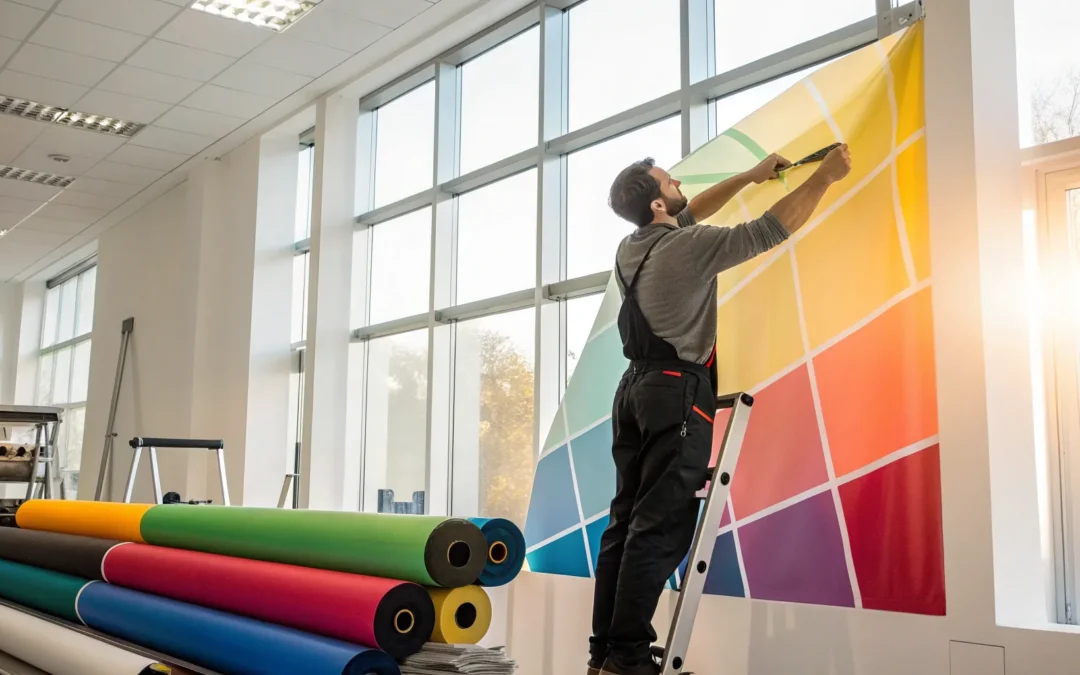
Vinyl graphics installation is a craft that blends artistry with technical precision. Professional training teaches installers essential skills like how to properly prepare glass and wall surfaces, mix application solutions, and use specialized tools for a flawless finish. Trainees also learn techniques for creating patterns, whether with a plotter or by hand. Mastering these skills is what allows a certified installer to transform a plain wall, window, or vehicle into a vibrant marketing tool. The quality of the vinyl graphic solutions depends entirely on the expertise of the person applying them.
Solar and Renewable Energy Installation
As the demand for clean energy grows, so does the need for skilled solar installers. This field offers several paths to entry. Many solar companies provide on-the-job training, allowing you to start working without prior experience. For those who prefer a more structured approach, trade schools and community colleges offer certificate and associate degree programs. These programs provide a foundational understanding of solar technology and installation practices, preparing you for a hands-on career in a rapidly expanding industry.
Where to Find Reputable Installation Training
Once you’ve decided to pursue a career in professional installation, the next step is finding a training program that aligns with your goals. The right certification not only teaches you the technical skills you need but also signals your expertise to potential employers and clients. Think of it as a seal of approval that shows you’re committed to quality and professionalism. Different industries have their own leading certification bodies, each with a curriculum designed to meet specific demands. Whether you’re interested in wrapping vehicles with stunning vinyl graphics, installing state-of-the-art audiovisual systems, or fitting windows and doors, there’s a reputable program out there for you. Let’s explore some of the top training options available to help you get started on the right foot.
3M Preferred Installer Program
In the world of vinyl graphics, the 3M Preferred Installer credential is the gold standard. As a 3M Preferred Installer ourselves, we know firsthand the level of dedication it represents. This comprehensive program goes deep into the craft, teaching installers essential skills like proper glass preparation, the right way to mix installation solutions, and advanced tool usage. Participants also learn to create intricate plotter and hand-cut patterns, ensuring they can handle any project with precision. Earning this certification isn’t just about learning techniques; it’s about mastering a craft and proving you can deliver the highest quality results on every job. It’s a powerful way to build trust with clients and establish yourself as a true professional in the field.
FGIA InstallationMasters
For professionals working with windows and doors, the Fenestration and Glazing Industry Alliance (FGIA) offers a premier certification. The InstallationMasters program is a nationally recognized training initiative designed for installers of windows and exterior glass doors. The curriculum is thorough, covering the best techniques for both new construction and replacement projects in residential and light commercial buildings. By focusing on proper installation practices, the program helps ensure that windows and doors perform as intended, preventing issues like water leakage and energy loss. Earning this certification shows you have a deep understanding of industry standards and are committed to doing the job right the first time.
AVIXA Certifications
If your interests lie in the tech-focused world of audiovisual (AV) systems, AVIXA is the name to know. The organization provides an Installation Program that centers on the skills needed to correctly set up and configure complex AV systems. From mounting displays to routing cables and testing equipment, the training covers the entire installation process. One of the best parts about AVIXA’s offerings is their flexibility; they provide both online and live training options, making it easier for busy professionals to gain new skills without putting their work on hold. This certification is essential for anyone looking to build a career installing the technology that powers conference rooms, classrooms, and entertainment venues.
Local Community and Technical Colleges
Don’t overlook the valuable resources right in your own backyard. Many local community and technical colleges offer excellent training programs for a wide range of skilled trades, from floor covering to welding and HVAC. These programs are often more affordable and accessible than four-year universities and focus on providing the hands-on experience you need to enter the workforce quickly. Industries like floor covering are growing rapidly, offering rewarding careers with competitive pay and benefits. Exploring career and technical education options at a local college can be a fantastic, practical way to gain foundational skills and start building a successful career as a professional installer.
Understanding the Cost of Installation Training
Investing in professional training is one of the best moves you can make for your career, but it’s natural to wonder about the price tag. The cost of installation training can vary quite a bit, depending on the path you choose, the industry you’re entering, and the depth of the curriculum. Think of it less as a cost and more as a down payment on your future skills and earning potential.
Whether you’re looking to become an expert in applying wall murals or installing complex audiovisual systems, there’s a training route that fits your budget and goals. The key is to understand what you’re paying for—not just the classes, but the hands-on experience, the certification, and the professional network that comes with it. Let’s break down the numbers and how to make them work for you.
What Factors Into the Price?
The price of your training program often comes down to the type of learning environment you choose. Each has its own timeline, cost, and benefits. For many hands-on trades, you can find companies that will train you on the job, which means you can start earning right away with little to no upfront educational cost. This is a great way to get your foot in the door, though the training might be specific to one company’s methods.
For more structured learning, trade schools offer specialized programs that teach you exactly what you need for the job. These programs are focused and efficient, typically lasting from six weeks to a year and costing between $1,000 and $15,000. If you’re looking for a more comprehensive education, a community college program might be a better fit. These usually take about two years to complete and can range from $5,000 to $40,000, giving you a broader educational foundation along with your technical skills.
How to Find Financing and Scholarships
Don’t let the initial cost of a program hold you back. Many avenues are available to help you finance your education. A great place to start is with your current or potential employer. Many companies are willing to invest in training for their team because they understand the long-term benefits, including better employee retention and productivity. It never hurts to ask if they offer tuition assistance or sponsorship for certifications.
Beyond employer support, look for scholarships and grants offered by trade organizations, private companies, and the schools themselves. A quick search for your specific field—whether it’s vinyl installation or HVAC—can reveal financial aid opportunities you didn’t know existed. Many training institutions also offer flexible payment plans that allow you to spread the cost over several months, making it much more manageable.
Calculating Your Return on Investment
When you invest in certified training, you’re setting yourself up for a significant return. For individuals, certification often leads to higher pay, more job opportunities, and greater professional credibility. It’s a clear signal to employers and clients that you have mastered a specific skill set and are committed to quality work. This is especially true in fields where precision is everything, like applying detailed fleet graphics.
For businesses, the ROI is just as compelling. Companies that invest in high-quality training programs see measurable outcomes, including increased productivity, lower employee turnover, and improved customer satisfaction. A well-trained team makes fewer mistakes, works more efficiently, and delivers the kind of results that build a strong reputation. Ultimately, that investment in skills pays for itself through better work and happier clients.
Overcoming Common Hurdles in Training
Deciding to get certified is a huge step, but let’s be real—the path isn’t always a straight line. Life happens, and it’s completely normal to run into a few challenges along the way. Whether you’re worried about finding a program nearby, fitting classes into your already packed schedule, or figuring out how to pay for it all, these are common concerns for almost everyone.
The key is to see these hurdles not as stop signs, but as problems with solutions. With a bit of planning and the right information, you can work through these challenges and stay focused on your goal. Think of it as your first hands-on project: identifying the problem and finding the right tools to fix it. Let’s walk through some of the most common obstacles and how you can handle them.
Dealing with Geographic Limitations
Not everyone lives next door to a premier training facility, and that’s okay. Geographic distance can feel like a major barrier, especially when you factor in travel time and costs. But you have more options than you might think. Many programs now offer hybrid models, where you can complete coursework online and travel only for the essential, hands-on portions. This approach gives you flexibility and can significantly cut down on expenses.
When researching, look for programs that offer concentrated, multi-day workshops. This allows you to knock out your practical training in one trip. For specialized fields like becoming a 3M Preferred Installer, you may need to travel to a certified testing center, so planning ahead is essential.
Balancing Training with a Full-Time Job
Juggling a full-time job while pursuing training is a serious commitment, but it’s absolutely doable. The trick is to find a program that works with your life, not against it. Many technical colleges and training centers understand that their students are working professionals and offer evening classes, weekend workshops, or part-time schedules.
This is where your time management skills become your superpower. Map out your weeks, set aside dedicated time for studying, and be realistic about what you can handle. It might mean a few less-relaxing weekends for a while, but the investment in your skills will pay off. Remember, this period is temporary, but the career you’re building is for the long haul.
Managing the Cost of a Program
Professional training is an investment, and the price tag can feel intimidating. Before you get discouraged, take a deep breath and explore your funding options. Most reputable institutions offer payment plans that allow you to spread the cost over several months. You should also look into scholarships and grants specifically for trade and technical programs—you’d be surprised how many are out there.
Don’t forget to ask about financial aid or whether the program is eligible for government funding. If you’re already working in the industry, your employer might even be willing to sponsor part of your training. Viewing the cost as an investment in your future earnings can help put the expense into perspective.
Gaining Hands-On Experience
You can’t learn to install a flawless vehicle wrap or a large-scale wall mural just by reading a book. Hands-on experience is non-negotiable, and it’s what separates a good installer from a great one. When you’re evaluating programs, make this a top priority. Ask how much time is spent in a workshop versus a classroom. A quality program will have you working with the actual tools and materials you’ll use on the job.
Another fantastic way to get practical skills is to find an entry-level position or apprenticeship where you can learn from seasoned pros. Companies that perform high-quality vinyl graphic solutions are often looking for motivated people to train. This on-the-job experience is invaluable and can even help you confirm that this is the right career path for you.
Addressing Communication Barriers
Being a skilled installer is about more than just technical ability. How you communicate with clients, team members, and project managers is just as important. Misunderstandings can lead to mistakes, delays, and unhappy customers. A great training program will teach you how to conduct site surveys, explain the installation process to a client, and create clear documentation.
These “soft skills” are what build trust and a professional reputation. Learning to listen to a client’s vision and provide clear, confident answers is crucial for success. When you can combine expert technical skills with effective communication, you become an indispensable asset on any project.
How to Choose the Right Training Program
Once you’ve decided to pursue professional training, the next step is finding the right program. With so many options out there, it can be tough to know which one will give you the best foundation for your career. Think of it like choosing the right tool for a job—the best one depends on quality, function, and fit. Let’s break down the key factors to consider so you can make a confident choice.
Evaluate Program Quality and Accreditation
Not all certifications carry the same weight. Look for programs that are nationally recognized and accredited within your specific industry. For example, the InstallationMasters program is a well-respected certification for window and door installers. In the world of vinyl graphics, credentials like the 3M Preferred Installer certification signal a high level of skill and professionalism. Accreditation means a program has been vetted and meets established industry standards. It’s a clear sign to potential employers and clients that you’ve received quality training and are serious about your craft. Always check a program’s credentials before you enroll.
Prioritize Hands-On Learning Opportunities
You can’t master a hands-on skill by reading a textbook. The best training programs blend classroom theory with practical, real-world application. When researching options, look for descriptions that mention “hands-on practice,” labs, or workshop components. This is where you’ll learn to handle materials, use tools correctly, and troubleshoot common issues you’ll face on the job. This kind of experiential learning is what turns knowledge into skill. Don’t be afraid to ask admissions staff about the ratio of classroom time to hands-on training. The more time you spend actually doing the work, the more prepared you’ll be.
Assess Instructor Expertise and Support
The person teaching the course matters just as much as the curriculum. Look for programs where the instructors are seasoned professionals with years of field experience. Often, the most valuable lessons come from their personal stories, mistakes, and successes. Many programs, like those certified by the Professional Decal Application Alliance (PDAA), rely on experienced installers to train the next generation on industry best practices. An instructor with real-world expertise can offer insights you won’t find in any manual. Also, consider the level of support the program offers. Will you have opportunities to ask questions, get one-on-one feedback, or connect with a network of fellow installers?
Match the Program to Industry Demand
Your training should directly prepare you for the career you want. Before committing to a program, do some research on the current job market. What skills are employers looking for? Are there specific certifications that are frequently mentioned in job postings? For instance, if you’re interested in vehicle wraps, you’ll want a program that focuses heavily on fleet graphics and complex curves. Choosing a program that aligns with current industry needs ensures your new skills will be relevant and in demand. This strategic approach helps you invest your time and money wisely, setting you up for a successful career path from day one.
The Career-Long Benefits of Certification
Earning a professional certification is more than just adding a line to your resume—it’s a strategic investment in your entire career. Think of it as a formal handshake that tells clients and employers you’re serious about your craft. It validates your skills, demonstrates your commitment to quality, and shows you have the expertise to handle complex projects correctly the first time.
Certification isn’t just about what you know; it’s about proving it. In a hands-on field like vinyl installation, this proof is invaluable. It builds immediate trust and sets you apart from the competition. Whether you’re just starting or have years of experience, becoming certified provides a clear path for professional growth, opening up new possibilities and reinforcing your reputation as a true expert in the field. At AP Installations, our status as a 3M Preferred Installer is a core part of our identity, reflecting a deep commitment to excellence that our clients can count on.
Open Doors to New Opportunities and Higher Pay
Certification is one of the most direct ways to advance your career and increase your earning potential. When you’re certified, you’re not just telling potential employers you have skills—you’re showing them your knowledge has been verified against recognized industry standards. This credential makes you a more attractive candidate for specialized roles and high-value projects that companies might not entrust to uncertified installers. As a result, certified professionals are often in a better position to command higher pay. It’s a clear signal that you have invested in your expertise and can deliver the quality and precision that top-tier vinyl graphic solutions demand.
Build Your Professional Credibility
In the installation industry, reputation is everything. A certification acts as a powerful, third-party endorsement of your abilities, instantly building trust with clients and colleagues. It proves you’ve mastered the best installation methods and are dedicated to upholding professional standards. This credibility is a huge advantage, whether you’re working as part of a team or running your own business. Clients are more likely to choose an installer whose skills have been formally recognized because it gives them peace of mind. This trust translates into better client relationships, more referrals, and a stronger professional brand that you can build on for years to come.
Gain Access to Continuing Education
The world of materials and installation techniques is always changing. A great certification program doesn’t just end once you pass the test; it connects you to a network of professionals and resources for ongoing learning. Many certification bodies offer exclusive access to advanced training, new product information, and updates on industry best practices. This ensures your skills remain sharp and relevant, allowing you to adapt to new challenges and technologies. This commitment to continuing education helps you stay at the top of your game, consistently delivering cutting-edge work and positioning yourself as a leader in the field.
Master Safety and Quality Standards
Top-tier certification programs are built around established safety and quality standards that are agreed upon by industry experts. Mastering these protocols is fundamental to performing your job safely and effectively. Following these standards protects you on the job site, ensures the client’s property is respected, and guarantees the final installation is durable and flawless. Adhering to a high standard of quality not only enhances the integrity of your work but also minimizes costly errors or redos. By internalizing these best practices, you ensure every project you complete is a testament to your professionalism and skill, reinforcing your reputation for excellence.
Related Articles
- Become a Professional Installer – Premier Installation Services
- Professional Vinyl Installation PNW
- AP Installations Blog | Vinyl Graphics, Wrap & Installation Tips
- 3M Preferred Graphics Installer: A Complete Guide
- Retail Graphic Installation: The Ultimate Guide
Frequently Asked Questions
As a business owner, why should I prioritize hiring a certified installer? Hiring a certified installer is about protecting your investment and your brand’s image. A certification proves that a technician has mastered the specific skills needed to handle materials correctly and prepare surfaces properly. This expertise prevents common issues like peeling, bubbling, or fading, ensuring your graphics look professional and last as long as they should. It’s the difference between a job done and a job done right.
What’s the real difference between a certified installer and someone who just has a lot of experience? Experience is incredibly valuable, but certification provides an extra layer of assurance. It confirms that an installer’s skills have been tested against a national standard of excellence. A certified professional is trained in the latest industry best practices and understands the science behind why certain techniques work. This means they can deliver consistent, high-quality results and adapt to any challenges that come up on a job site.
I’m thinking about a career as an installer. Where’s the best place to start my training? Your best starting point really depends on your learning style and financial situation. If you want to earn an income while you learn the ropes, finding a company that offers on-the-job training or an apprenticeship is a fantastic option. If you prefer a more structured approach to build a solid foundation, look into focused programs at a technical college or a formal certification course from an industry leader.
How can I be sure an installer’s certification is real and up-to-date? The most direct way to verify a certification is to go straight to the source. Reputable organizations that issue credentials, like 3M or AVIXA, typically have a way for you to confirm an installer’s status, often through an online directory or a contact number. A true professional will be transparent about their credentials and should have no problem providing the information you need to check.
Does a certification guarantee a perfect installation every single time? While no one can promise absolute perfection, a certification is the strongest assurance of quality you can get. It means the installer is committed to a professional standard and has been trained to follow a precise process that minimizes errors. More importantly, they have the knowledge to troubleshoot effectively when unexpected issues arise, ensuring the final result meets your expectations.