
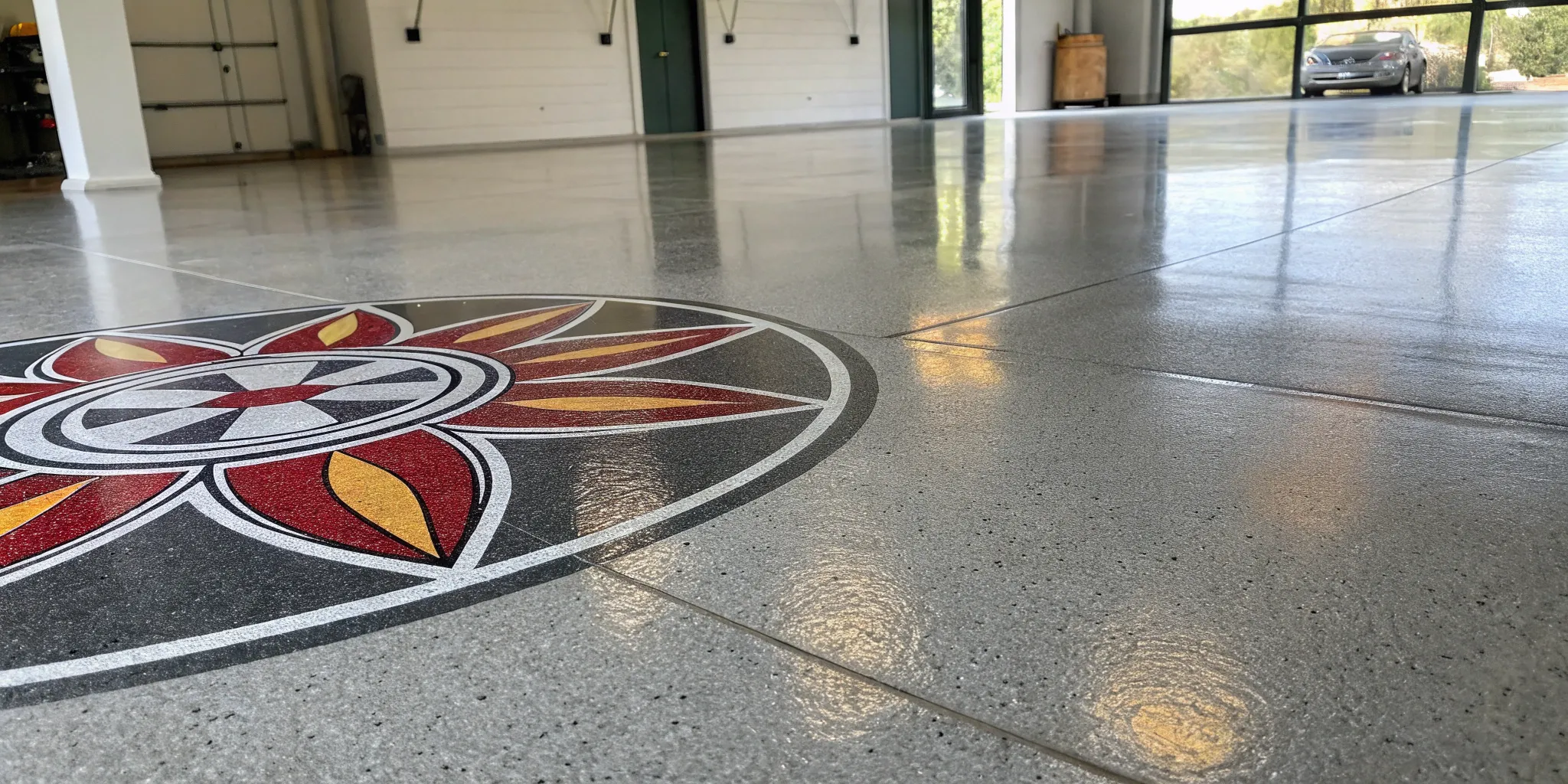
Your floors and sidewalks are some of your biggest untapped marketing assets. Every day, potential customers walk right over valuable real estate that could be used for branding, advertising, or directing foot traffic. The challenge is finding a solution that’s durable enough to handle the constant wear and tear. This is where high-quality floor decals for concrete come in. They are specifically engineered to adhere to rough, porous surfaces and withstand everything from heavy foot traffic to Pacific Northwest weather. Far from being simple stickers, these graphics are a powerful and practical tool for transforming unused ground into a dynamic messaging platform for your business.
Key Takeaways
- Your Concrete’s Texture Matters: A decal designed for a smooth indoor floor won’t survive on a rough outdoor sidewalk. Always choose a graphic specifically engineered for your surface’s texture and traffic level to get the best results.
- Prep and Patience Are Key to Installation: A successful application comes down to two things: starting with a spotless, completely dry surface and giving the adhesive a full 24 hours to cure before it sees any foot traffic.
- A Professional’s Touch is a Smart Investment: While DIY is tempting, a certified installer has the right tools and techniques to handle tricky surfaces and ensure your decal is applied flawlessly, saving you headaches and money in the long run.
What Is a Concrete Floor Decal?
Ever walked down the street and noticed a vibrant, eye-catching graphic right on the sidewalk? That’s a concrete floor decal in action. Think of them as specialized, heavy-duty stickers designed specifically for rough, outdoor surfaces like pavement, asphalt, and concrete. Often called “floor graphics,” these decals are a brilliant way for businesses to use the ground beneath our feet for advertising, branding, and directing foot traffic.
Unlike a simple paper sticker, concrete decals are built to last. They’re made from durable, weather-resistant materials that can handle everything from heavy foot traffic to rain and sun without fading or peeling away. This resilience makes them a perfect tool for taking your message outdoors. Whether you want to announce a grand opening, guide visitors at an event, or simply make your storefront stand out, these graphics transform plain concrete into a powerful marketing canvas. They are one of the most effective vinyl graphic solutions for businesses looking to capture attention in unexpected places.
How They Stick to Concrete
The magic of a concrete floor decal lies in its unique construction. These graphics are engineered with a powerful adhesive backing designed to grip onto porous and uneven surfaces—something a standard sticker just can’t do. The material itself is typically a rugged, foil-based vinyl that is flexible enough to conform to the texture of concrete, brick, or asphalt. This flexibility is key to creating a smooth, paint-like appearance. For especially bumpy surfaces, a professional installer often uses a heat gun during application to help the decal mold perfectly and create a stronger bond, ensuring it stays put. The top surface is also textured to provide slip resistance, making it safe for pedestrians.
How Businesses Use Floor Decals
Businesses get creative with concrete floor decals because they are incredibly versatile. You’ve likely seen them used to advertise a huge sale, promote a seasonal event, or simply display a company logo right outside an entrance. They are also fantastic for wayfinding—guiding customers to a parking area, pointing them toward a specific department, or marking out social distancing queues. By turning an ordinary sidewalk into a dynamic advertisement, these decals help businesses cut through the noise and engage with potential customers before they even walk through the door. You can see some great examples in our past projects to get ideas for your own space.
Why Use Floor Decals on Concrete?
When you think of decals, you might picture flimsy stickers that peel at the corners. But floor decals for concrete are in a completely different league. They are engineered specifically for rough, porous surfaces and high-traffic environments. This makes them a surprisingly versatile tool for businesses looking to make a statement, guide customers, or simply add a bit of personality to their space.
Unlike a painted sign that can chip or a temporary sign that can blow away, a professionally installed floor graphic becomes a seamless part of your walkway or floor. They grab attention where people are already looking—down. Whether you want to announce a sale on the sidewalk outside your shop or create clear directional cues in your warehouse, these decals offer a durable, safe, and eye-catching solution. They combine toughness with great design, giving you a powerful way to communicate with your audience from the ground up.
Built for Durability and Weather
Concrete floor decals are made to last. These aren’t your average stickers; they are heavy-duty graphics designed to adhere strongly to concrete, asphalt, and other textured surfaces. They can handle constant foot traffic, rolling carts, and even vehicles without tearing or peeling. Here in the Pacific Northwest, we know weather can be unpredictable, but these decals are built for it. They resist damage from rain, snow, and intense sun, ensuring your message stays vibrant and intact. This resilience makes them one of the most reliable graphic solutions for outdoor and industrial settings.
Designed for Safety and Slip Resistance
Putting anything on a walking surface raises a valid question: is it safe? With professional-grade concrete decals, the answer is a resounding yes. These graphics are manufactured with a textured, slip-resistant laminate. This special coating provides grip underfoot, preventing slips and falls even when the surface is wet. It’s a crucial feature that ensures you’re not trading safety for style. You can confidently place them in entryways, on sidewalks, or in production areas, knowing they meet safety standards and keep your customers and employees secure.
Affordable Marketing and Wayfinding
Floor decals are a smart and budget-friendly way to get your message across. They turn unused floor space into a valuable marketing asset. You can use them to promote a special event, advertise a new product, or simply display your logo in a high-traffic area. They are also incredibly effective for wayfinding—guiding customers to a specific department, marking checkout lines, or creating paths for social distancing. By taking your branding to the floor, you can capture attention in an unexpected way and see some amazing project results.
How to Choose the Right Concrete Floor Decal
Picking the right floor decal involves more than just a great design. To get a graphic that looks sharp and stays put, you need to think about the material, the adhesive, and where it will live. A decal that works perfectly on a polished indoor floor won’t last a week on a rough outdoor sidewalk. Focusing on these key details from the start will ensure your investment pays off and your message comes across clearly. Let’s walk through what you need to know to make the best choice for your space.
Check the Material Quality
The durability of your floor decal starts with its material. For outdoor concrete surfaces, you need a product specifically built to withstand the elements. Look for graphics made from a tough, outdoor-friendly material that can handle being outside in the sun and rain. Cheaper, lower-quality materials might save you money initially, but they’ll quickly fade, peel, or tear, forcing you to replace them sooner. Investing in high-quality vinyl ensures your decal remains vibrant and intact, providing a better long-term value and a more professional look for your business.
Match the Adhesive to Your Surface
The right adhesive is critical for making sure your decal sticks and stays. Concrete, brick, and asphalt are often rough and uneven, requiring a specialized adhesive that can create a strong bond. A standard sticker adhesive simply won’t cut it. The best floor graphic solutions use adhesives designed to conform to these textures, preventing peeling edges and ensuring the decal lays flat. When discussing your project with an installer, always ask about the type of adhesive they recommend for your specific surface to guarantee a secure and lasting application.
Explore Custom Design Options
Your floor decals are a direct reflection of your brand, so customization is key. Modern printing technology allows you to create graphics in any color or shape you can imagine. You can fully customize them to match your branding, from intricate logos to unique die-cut shapes that grab attention. Don’t feel limited to simple circles or squares. Think about how a custom shape could make your design pop or guide customers more effectively. Check out some past projects to see how businesses are using custom graphics to transform their spaces.
Consider Indoor vs. Outdoor Use
It’s essential to choose a decal designed for its intended environment. Outdoor graphics need stronger materials to hold up against UV exposure, temperature fluctuations, and moisture. Indoor decals, on the other hand, are formulated to withstand foot traffic and cleaning products. Using an indoor decal outside will lead to rapid deterioration, while an outdoor decal might be overkill (and more expensive) for an indoor space. Be clear about where the decal will be installed so you can select a product with the right durability and protective features for the job.
Top Brands for Concrete Floor Graphics
When you’re investing in floor graphics, you want them to last. The quality of the vinyl material is just as important as the skill of the installer. Choosing a product from a trusted brand ensures your decals will look sharp, stick properly, and withstand foot traffic without peeling or fading. While there are many options on the market, a few names consistently stand out for their innovation, durability, and performance on tricky surfaces like concrete.
Working with a professional installer means you get access to the best materials for your specific project. An expert can recommend the right brand and product line based on your concrete’s texture, the level of foot traffic, and whether the graphic is indoors or outdoors. Here are some of the top brands that professionals trust for high-quality concrete floor graphics.
AP Installations Professional Solutions
While we aren’t a manufacturer, our expertise lies in knowing which materials work best for every application. At AP Installations, we provide professional vinyl installation services using only top-tier products from industry-leading brands. Our team has the hands-on experience to select the perfect vinyl that will adhere securely to your concrete surface and deliver the vibrant, lasting look you want. As certified installers, we ensure every graphic, from simple lettering to complex murals, is applied with precision for a flawless, durable finish that makes a real impact.
3M Commercial Graphics
As a globally recognized leader in adhesives and films, 3M is a go-to brand for commercial graphics. Their materials are engineered for performance and longevity, even in demanding environments. 3M offers a range of vinyl products specifically designed for floor applications, including options that can conform to rough surfaces like sealed or unsealed concrete. Because we are a 3M Preferred Installer, you can trust that we have the training and expertise to apply their high-performance products correctly, ensuring your graphics are vibrant, safe, and built to last.
Avery Dennison
Avery Dennison is another top-tier manufacturer known for its high-quality adhesive vinyls. The company produces a wide variety of films suitable for floor graphics, with options designed for both short-term promotions and long-term branding. Their products are celebrated for their excellent print quality, durability, and reliable adhesion to different surfaces, including concrete. Many Avery Dennison graphics films also come with slip-resistant overlaminates, adding an essential layer of safety to your floor decals in public spaces. Their commitment to innovation makes them a trusted choice for businesses.
General Formulations
General Formulations is a well-respected name in the graphics industry, offering a diverse portfolio of pressure-sensitive films. They provide excellent, cost-effective solutions for concrete floor decals, with products designed for everything from smooth warehouse floors to textured outdoor sidewalks. Their materials are known for being easy to work with and offering strong adhesion without leaving heavy residue upon removal. Whether you need a temporary graphic for an event or a more permanent installation, General Formulations likely has a specialized product that fits your needs and budget perfectly.
Matching the Decal to Your Concrete
Choosing the right floor decal isn’t a one-size-fits-all decision. The best graphic for your space depends entirely on the concrete itself and how you plan to use it. Think about your goals: Are you running a short-term promotion or installing permanent branding? Is your sidewalk smooth or rugged? Answering these questions first will help you select a decal that looks great and lasts.
Permanent vs. Removable Decals
First, decide if you need a long-term solution or something temporary. Permanent decals are built to last, bonding strongly with the concrete to handle weather and wear for months or even years. They’re perfect for long-term branding, safety markings, or directional signs that you don’t plan on changing.
Removable decals, on the other hand, offer more flexibility. They’re ideal for seasonal promotions, special events, or sales announcements. You can install them to direct foot traffic for a weekend conference or advertise a holiday deal, then peel them off cleanly when it’s over. This makes it easy to keep your messaging fresh without committing to a permanent design.
For Textured vs. Smooth Surfaces
Concrete comes in all kinds of textures, from polished warehouse floors to rough, weathered sidewalks. The surface texture is a huge factor in which decal you should choose. For smooth, sealed concrete, you have a lot of options. But for rough, porous, or uneven surfaces like brick or asphalt, you need specialized, high-tack vinyl. These heavy-duty graphics are designed to conform to every nook and cranny, creating a strong bond that prevents peeling. For bumpy surfaces, a professional installer often uses a heat gun during application to help the material mold perfectly to the texture, ensuring it stays put.
For High-Traffic vs. Low-Traffic Areas
Think about how many people will be walking over your decal each day. A graphic in a quiet hallway won’t face the same abuse as one in a busy entryway or on a public sidewalk. For high-traffic areas, durability is key. You’ll want a tough decal with a certified, slip-resistant laminate. This protective layer shields the print from scuffs, dirt, and moisture, keeping your design vibrant and safe for pedestrians. While these heavy-duty graphics are an investment, they prevent you from having to replace a worn-out decal every few months. For low-traffic zones, you may have more flexibility with standard materials.
How to Install Your Decals Correctly
Getting your floor decal to look great and last long comes down to one thing: proper installation. While it might seem as simple as peel-and-stick, there’s a technique to getting a flawless, bubble-free finish that stays put. Rushing the process or skipping steps can lead to peeling edges, trapped air, and a decal that fails long before it should.
Whether you’re tackling the installation yourself or understanding what to expect from a professional, these steps are key to success. Following them ensures your graphic bonds securely to the concrete and can handle whatever foot traffic comes its way. For complex projects or large-scale applications, working with a certified installer guarantees a perfect result every time.
Step 1: Prepare the Concrete Surface
You can have the highest-quality decal in the world, but it won’t stick to a dirty floor. The first and most critical step is preparing your concrete surface. Start by thoroughly sweeping away any dust, dirt, or debris. If the floor has any grease, oil, or waxy residue, you’ll need to clean it with a suitable degreaser and rinse it well.
The goal is a completely clean, non-porous surface. Most importantly, the concrete must be bone dry before you begin. Moisture is the number one enemy of adhesion, so allow plenty of time for the floor to air dry completely after cleaning. A damp surface will prevent the adhesive from bonding, causing the decal to lift and peel almost immediately.
Step 2: Follow the Application Process
With a clean surface ready, it’s time to apply the decal. This step requires patience. Start by positioning your graphic and using painter’s tape to create a hinge, securing it in place. Then, carefully peel back the first few inches of the backing paper—not all at once. As you apply the decal, “peel off the backing paper slowly, about 4 inches at a time.”
Using a squeegee, press the exposed adhesive onto the concrete, working from the center out to push away any air bubbles. Continue this process, slowly pulling away the backing while smoothing the decal with the squeegee. This methodical approach prevents wrinkles and trapped air. Once the decal is fully applied, go over the entire surface again with the squeegee, paying special attention to the edges to ensure they are sealed tight to keep moisture out.
Step 3: Consider Temperature and Environment
The surrounding environment plays a big role in how well your decal adheres. Vinyl and adhesives are sensitive to temperature, so try to install your graphics in moderate conditions, avoiding extreme heat or cold. If you’re working with a slightly textured or bumpy concrete surface, a heat gun can be a huge help. Applying gentle heat during installation makes the vinyl more pliable, helping it conform to the surface for a stronger bond.
After the decal is in place, the work isn’t quite done. The adhesive needs time to cure and form a permanent bond with the concrete. It’s best to “let the graphic sit for 24 hours after installation for the glue to fully stick.” During this curing period, avoid walking on the decal or exposing it to moisture or heavy cleaning.
Common Installation Mistakes to Avoid
You’ve invested in a high-quality floor decal, and you’re excited to see it transform your space. But even the most durable graphic can fail if it’s not installed correctly. The application process is just as important as the decal material itself, and a few common missteps can lead to peeling, bubbling, and a much shorter lifespan for your graphic. Getting it right the first time saves you the headache and cost of a do-over. It’s the difference between a decal that looks sharp for years and one that starts to look worn out in a matter of weeks.
The good news is that these mistakes are entirely preventable with a bit of knowledge and care. It all comes down to preparing the surface, using the right application methods, and having a little patience after the decal is down. Understanding these key steps is crucial whether you’re attempting a small DIY project or coordinating a large-scale installation. For complex jobs or tricky surfaces, working with a certified professional ensures your vinyl graphic solutions are flawless and built to last, sidestepping these common pitfalls from the start. Let’s walk through the most frequent errors so you can make sure your investment pays off.
Skipping Proper Surface Prep
Think of installing a floor decal like painting a wall—you’d never apply fresh paint over a dirty, dusty surface. The same principle is essential here. Proper surface preparation is the foundation for a long-lasting graphic. Before you even think about peeling the backing off your decal, the concrete must be meticulously clean and completely dry. Any lingering dust, grease, wax, or moisture will create a barrier between the adhesive and the surface, preventing a strong bond. As experts will tell you, graphics stick best to clean, smooth floors. Take the time to thoroughly sweep, mop, and degrease the area, then allow it to dry completely. Rushing this step is one of the biggest reasons decals fail prematurely.
Using the Wrong Technique
Applying a large floor graphic isn’t as simple as placing a sticker. It requires a specific technique to ensure a smooth, bubble-free finish that adheres securely from edge to edge. One of the most critical parts of the process is making sure all the edges stick well to keep moisture out. If the edges are lifted, water and dirt can get underneath, causing the decal to peel up over time. For textured or slightly uneven concrete, the technique becomes even more specialized. On bumpy surfaces, you can use a heat gun during installation to help the vinyl conform to the texture and stick securely. This is a pro-level tip that makes a huge difference, and it’s why hiring a 3M Preferred Installer is so valuable—they have the training to handle any surface correctly.
Ignoring Curing Times
Once the decal is perfectly placed, the job still isn’t quite finished. It’s tempting to immediately open the area to foot traffic and show off your new graphic, but patience is key. The adhesive needs time to “cure,” which means it needs to set and form its strongest possible bond with the concrete surface. This process isn’t instantaneous and skipping it can compromise the entire installation. Most manufacturers recommend you let the graphic sit for at least 24 hours after installation for the glue to fully stick. During this period, you should avoid walking on the decal, cleaning it, or placing heavy objects on it. Giving it that initial 24 hours is a small step that pays off with a much longer lifespan.
How to Make Your Floor Decals Last
You’ve invested in high-quality floor decals to guide customers or brighten up your space, and now you want to make sure they last. With the right care, you can keep your graphics looking sharp and extend their lifespan significantly. A little routine maintenance goes a long way in protecting your decals from daily wear and tear, ensuring they continue to represent your brand beautifully and keep your space looking its best. Taking a few simple steps can prevent premature peeling, fading, and damage, making your investment even more worthwhile.
Simple Daily Cleaning Tips
Keeping your floor decals clean is straightforward. The best approach is gentle, regular maintenance using a soft cloth or mop with a simple solution of mild soap and water. This is usually all it takes to remove everyday dirt and scuffs. It’s important to avoid harsh chemical cleaners, abrasive scrubbers, or heavy-duty cleaning machines, as these can scratch the vinyl or cause the edges to lift. Also, try to prevent heavy items from being dragged across the decals. These simple cleaning habits will make a huge difference in the longevity of your graphics and keep them looking vibrant.
How to Stop Peeling and Water Damage
The biggest threat to a floor decal is moisture seeping underneath it. Prevention starts with a flawless installation on a completely clean, dry surface. Once your decal is applied, the goal is to keep water away from the edges. For indoor decals, this means promptly cleaning up spills. For outdoor graphics, be mindful of rain and pressure washing. Avoid letting water pool on or around the decal, as it can weaken the adhesive and lead to peeling. Taking care to prevent water from getting underneath is the best way to keep your decals securely bonded to the concrete surface for the long haul.
Knowing When to Replace Them
Even the most durable floor decals have a lifespan, so it’s a good idea to inspect them regularly for signs of wear. Look for edges that are starting to peel or curl up, or any areas where the graphic is lifting away from the floor. The most critical factor is safety. If a decal’s edges are raised enough to become a potential tripping hazard, it needs to be replaced immediately. Fading and heavy scuffing are also signs that it might be time for a refresh. When you’re ready for an update, working with a professional installer ensures the old graphic is removed properly and the new one is applied perfectly.
Where to Get Quality Concrete Decals
Once you’ve decided on the perfect design for your concrete floor decal, the next step is finding the right product and the right team to bring it to life. The quality of both the material and the installation will determine how your decal looks and how long it lasts. Sourcing high-quality decals means looking for suppliers who specialize in durable materials and deciding whether a DIY approach or professional help is the best fit for your project.
Professional Installation vs. DIY
Tackling a decal installation yourself can be tempting, but it’s a project where technique really matters. For a decal to last, especially on a textured surface like concrete, every edge needs to be perfectly sealed to keep moisture out. This often requires special tools, like a heat gun, to help the vinyl conform to bumps and grout lines. A professional installer has the experience and equipment to ensure a flawless, bubble-free application that stands up to foot traffic and the elements. If you want a result that looks sharp and endures, investing in professional vinyl graphic solutions is almost always the better long-term choice.
Finding the Right Supplier
To find quality concrete decals, start by looking for suppliers who specialize in graphics for challenging surfaces. You’re not looking for a standard sticker; you need a product specifically engineered for concrete, asphalt, or brick. The right supplier will understand how to produce graphics for sidewalks, parking lots, and warehouse floors. Businesses and event organizers use these to advertise sales, direct foot traffic, or add branding to an industrial space. A great way to vet a supplier is to look at their past projects to see if they have experience with applications similar to yours. This will give you confidence in their ability to deliver a product that meets your needs.
Getting a Custom Quote
If your project has unique dimensions or a highly specific design, don’t feel limited by the standard sizes you see online. Most reputable suppliers and installers are more than happy to work with you on a custom solution. The best way to start is to get a custom quote. This process allows you to detail your exact requirements, from size and shape to the specific type of concrete surface you’re working with. Many companies also offer different ways to create your design, whether you want to upload your own artwork or work with their team to create something new. This ensures you get a decal that is perfectly tailored to your space and brand.
Related Articles
- The Guide to Window Graphics for Business
- The Essential Guide to Business Window Graphics
- The Ultimate Guide to Wall Mural Installation
Frequently Asked Questions
How long can I expect a concrete floor decal to last? The lifespan of your floor decal really depends on a few key factors: where it’s located, how much foot traffic it gets, and the quality of the installation. A professionally installed outdoor graphic in a high-traffic area can last for many months, while an indoor decal with less foot traffic can look great for several years. Choosing the right heavy-duty material and ensuring it’s applied correctly are the most important steps to getting the longest life out of your graphic.
Are the decals really safe to walk on, especially in the rainy Pacific Northwest weather? Absolutely. Safety is a top priority, which is why professional-grade concrete decals are designed with a textured, slip-resistant laminate. This special surface provides grip underfoot, making it safe to walk on even when it’s wet. This feature is essential for any graphic placed in an entryway or on an outdoor sidewalk, ensuring you can catch customers’ eyes without creating a safety hazard.
Can I install a small decal myself, or should I always hire a professional? While it might be tempting to install a small, simple graphic yourself, professional installation is almost always the best choice for a lasting result. Concrete is a tricky surface, and getting the decal to adhere perfectly without bubbles or peeling edges requires specific techniques and tools, like a heat gun for textured surfaces. A professional ensures the surface is prepped correctly and the decal is sealed, which is the key to durability.
Will removing a decal damage my concrete or leave a sticky mess? When you use the right material for the job, you shouldn’t have to worry about damage. Decals designed for temporary use have adhesives that allow for clean removal without leaving behind a stubborn, sticky residue. For more permanent graphics, a professional can use specific techniques and solutions to remove the decal cleanly, preserving the condition of your concrete surface underneath.
What’s the real difference between an indoor and an outdoor concrete decal? The main difference comes down to durability and weather resistance. Outdoor decals are built from tougher materials that include UV-protective laminates to prevent the sun from fading the colors. They also use a more aggressive adhesive that can handle temperature changes and moisture. Indoor decals are designed to withstand foot traffic and cleaning products but don’t require the same level of weatherproofing. Using the right type for the environment is critical for its success.