You have a brilliant idea for an experiential campaign, but turning that concept into a physical reality can feel overwhelming. The success of your event often comes down to the small details of the execution. How do you ensure your graphics look sharp, adhere properly, and withstand the city’s weather? A well-planned experiential marketing graphics installation Boston businesses need is the crucial final step that makes or breaks the entire project. This guide is designed to be your practical playbook. We’ll cover everything from navigating local permits and choosing the right materials to setting a realistic timeline, ensuring your installation is seamless, professional, and impactful.
Key Takeaways
- Build your campaign on a solid plan: Before printing anything, define your goals, audience, and how you’ll measure success. A clear strategy that accounts for Boston-specific logistics, like local permits and venue rules, is the foundation for a smooth and effective installation.
- Partner with certified experts for a professional finish: The quality of your installation directly reflects on your brand. Look for a partner with 3M Preferred Installer certification and a strong portfolio to ensure your graphics are applied flawlessly and last for the duration of your campaign.
- Use graphics to create an immersive experience: Combine different types of graphics, like large-scale murals, window displays, and floor decals, to build a cohesive brand world. Protecting your investment with a simple maintenance plan keeps the experience looking fresh and impactful.
Why Experiential Marketing is a Game-Changer in Boston
In a city as rich with history and innovation as Boston, standard advertising often fades into the background. Experiential marketing cuts through the noise by creating memorable, in-person events that let people interact with your brand directly. Instead of just telling your audience about your products or services, you invite them into a story. This approach transforms passive viewers into active participants, forging connections that last much longer than a fleeting digital ad.
From a pop-up shop in the Seaport District to an interactive mural near Faneuil Hall, experiential campaigns use physical space to create an emotional impact. These immersive environments are designed to be shared, sparking conversations both online and off. For Boston businesses, this isn’t just about getting noticed; it’s about building a loyal community around your brand, one positive experience at a time. The right vinyl graphic solutions are central to making these moments unforgettable, turning a simple space into a world of its own.
Stand Out in a Competitive Market
Boston is a dynamic place to do business, but its energy also creates a highly competitive market. With so many brands vying for attention, it takes a creative strategy to make a lasting impression. Experiential marketing gives you a powerful way to do just that. A stunning, large-scale graphic installation or a cleverly designed pop-up event doesn’t just advertise; it becomes a destination. People are naturally drawn to things that are new and exciting, and a well-executed experiential campaign can generate authentic buzz that traditional methods can’t match. Our past projects show how bold graphics can transform a space and capture public attention.
Build Real Connections with Your Audience
The most successful marketing creates a genuine, emotional connection between a brand and its customers. Experiential campaigns excel at this by inviting people to engage their senses and become part of the brand’s narrative. An interactive wall graphic or a beautifully themed environment makes your message tangible and personal. This hands-on approach fosters positive feelings and memories that people associate directly with your brand. Plus, these campaigns are highly measurable. You can track sales data, monitor social media engagement, and measure foot traffic to see the direct impact of your investment.
Explore Types of Experiential Marketing Graphics
Experiential marketing is all about creating a memorable, immersive environment, and graphics are the tools you use to build it. The right visual elements can turn a passive observer into an active participant. From massive, eye-catching murals to subtle floor decals that guide the way, each type of graphic plays a unique role in shaping your audience’s experience. Choosing the right combination depends on your goals, your space, and the story you want to tell. Let’s look at some of the most effective types of graphics you can use to bring your brand’s interactive vision to life.
Wall Murals and Large-Format Displays
Nothing makes a statement quite like a floor-to-ceiling wall mural. These installations can instantly transform any space with striking large-format graphics, where every element narrates your brand’s story. Whether you’re turning an office lobby into a showcase of company values or creating a stunning photo backdrop for an event, a large-scale mural sets the tone and creates an immersive atmosphere. They are perfect for retail environments, corporate spaces, and trade show booths where you need to capture attention from a distance. Professionally installed vinyl murals provide a seamless, paint-like finish that is both durable and impressive, making your brand’s presence feel permanent and powerful.
Interactive Digital and AR Installations
While physical graphics set the stage, integrating technology can add an exciting layer of engagement. This is where the physical and digital worlds meet. Imagine a wall graphic with a QR code that launches an augmented reality (AR) filter for social media, or a digital screen embedded within a larger display that reacts to movement. Brands are using everything from motion-simulated experiences to metaverse meetings to create deeper connections. These interactive digital installations create fun, shareable moments that get people talking and extend the life of your campaign online long after the event is over.
Portable Exhibits and Pop-Up Displays
Pop-up shops and portable exhibits give you the flexibility to take your brand experience almost anywhere. Because these setups are temporary, your graphics need to be both impactful and practical. High-quality printed backdrops, retractable banners, and custom-cut decals can make a simple booth feel like a dedicated storefront. Pop-ups are a key trend, allowing brands to create temporary, immersive experiences that engage consumers directly. The key is to use graphics that are easy to transport and install but still look sharp and professional, ensuring your brand looks its best no matter where you set up shop.
Window Graphics and Storefront Transformations
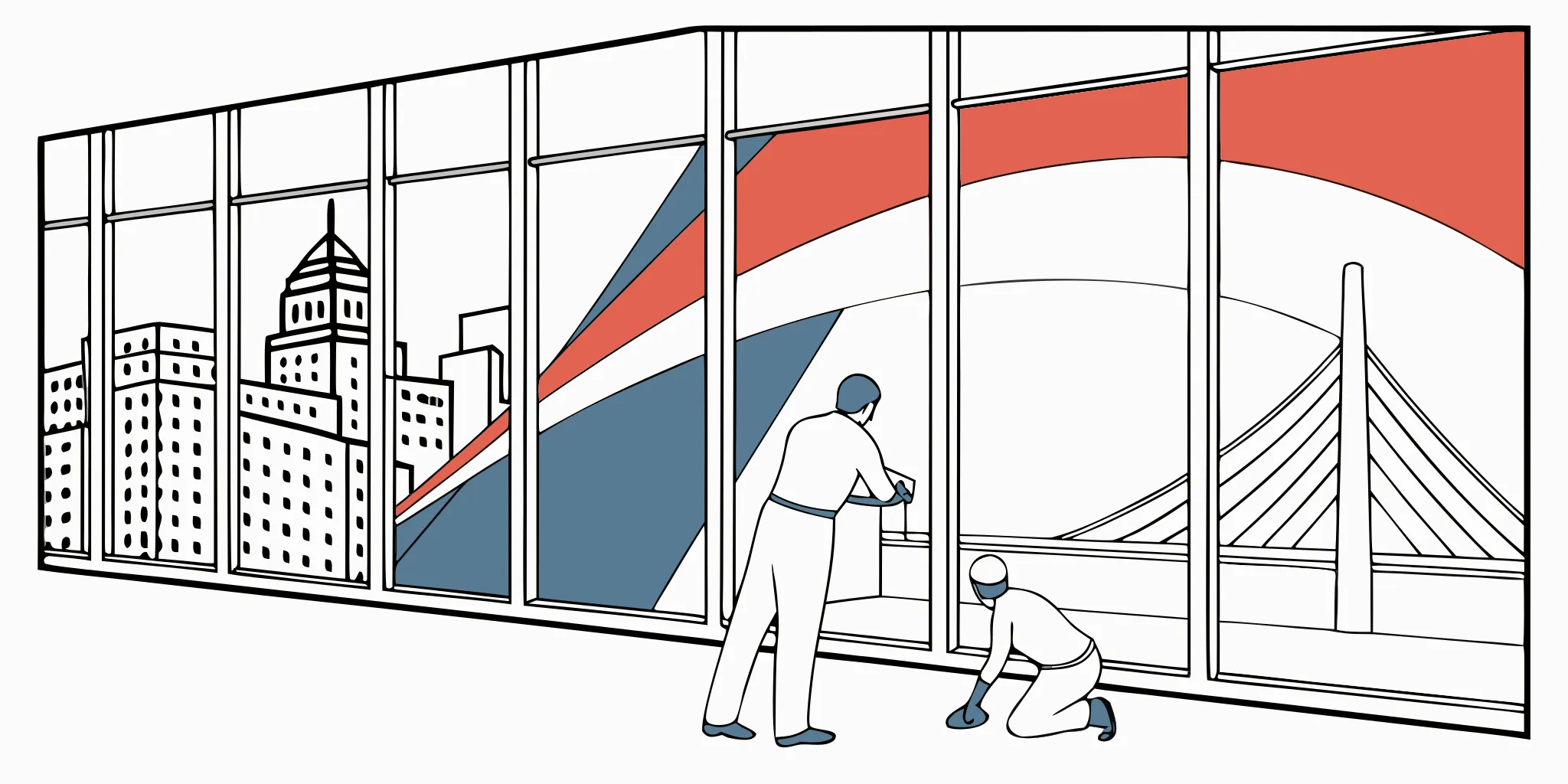
Your storefront is the first handshake with a potential customer, and window graphics can make it a compelling one. From simple vinyl lettering displaying your hours to full-window wraps that tease a new product, these graphics turn glass into a prime advertising space. Creative storefront transformations capture attention and enhance brand visibility, drawing foot traffic in from a busy street. You can use perforated vinyl to display a full-color image on the outside while still letting light in and allowing those inside to see out. It’s an effective way to create curiosity, promote a sale, or simply add a layer of privacy and branding to your space.
Floor Graphics and Wayfinding
Don’t forget to look down. The floor is one of the most underutilized surfaces for branding and communication. With durable, non-slip floor graphics, you can guide visitors through your space, create social distancing cues, or add a surprising pop of creativity. Well-executed floor graphics can give customers something they can’t get online: a real-world feel for your brand’s personality and values. Whether you’re creating a path for people to follow at an event or placing your logo in an unexpected spot, floor graphics are a smart way to manage traffic flow and reinforce your brand message from the ground up.
How to Choose the Right Experiential Graphics Partner
Your experiential marketing campaign is a big investment, and its success often comes down to the partner you choose for the installation. The right team doesn’t just apply graphics; they bring your vision to life with precision and professionalism. Finding a partner who understands your goals and has the technical skill to execute flawlessly is the key to creating an experience that truly connects with your audience. When you’re vetting potential installers, focus on these five key areas to ensure you find a team that’s the perfect fit for your project.
Look for 3M Certification and Professional Credentials
When you’re looking for an installer, certifications are your best friend. They’re a clear indicator that a company is committed to quality and has been trained to meet the industry’s highest standards. A credential like the 3M Preferred Installer certification isn’t just a piece of paper; it means the installers have passed rigorous hands-on and written exams. This proves they have the expertise to handle complex installations and use premium materials correctly, ensuring your graphics look amazing and last as long as they should. Choosing a certified partner gives you peace of mind that your project is in capable, professional hands.
Review Their Portfolio of Experiential Projects
A portfolio is more than just a collection of pretty pictures; it’s proof of what a company can do. As you look through their past work, don’t just look for quality, look for variety. Have they handled projects similar to yours? Do they have experience with different applications, like large-scale wall murals, vehicle wraps, and intricate window graphics? A diverse portfolio shows they are versatile and creative problem-solvers. It demonstrates their ability to adapt to different environments and challenges, which is exactly what you need for a unique experiential campaign. Pay attention to the details and finish in their project photos to gauge their commitment to excellence.
Verify Their Technical Expertise and Installation Skill
A brilliant design can fall flat if the installation is sloppy. True technical expertise goes beyond simply applying a vinyl graphic. It involves understanding the right materials for every surface, knowing how to prepare those surfaces properly, and executing the installation with precision. Your partner should be able to advise you on the best approach for your specific venue, whether it’s an indoor exhibit or an outdoor activation. Ask them about their process and how they handle challenges like uneven walls or tricky corners. A skilled installer ensures your graphics are not only visually stunning but also durable and safe for the public.
Confirm Their Project Management and Reliability
Clear communication and solid project management are non-negotiable. From the initial consultation to the final walkthrough, you need a partner who is organized, responsive, and reliable. Experiential campaigns often have tight deadlines and involve coordinating with multiple stakeholders, so a dependable installation partner is essential to keeping everything on track. Ask about their project management process. Who will be your main point of contact? How will they keep you updated on progress? A team that values clear communication and meets its deadlines will make the entire process smoother and less stressful, allowing you to focus on the bigger picture of your campaign’s success.
Find a Partner with a Collaborative Approach
The best results come from a true partnership. Look for an installer who is genuinely interested in your brand and your goals for the campaign. They should be willing to listen to your ideas and collaborate with you to find the best solutions. A great partner won’t just take orders; they’ll offer their professional insights to improve the final outcome. This collaborative spirit ensures that your vision is fully realized and that the final installation perfectly aligns with your brand identity. When your installer acts as an extension of your team, you can create something truly memorable together.
Plan Your Experiential Graphics Installation for Success
A successful experiential marketing campaign doesn’t just happen. It’s the result of careful planning and a clear strategy that considers every detail, from the big-picture goals to the on-the-ground logistics. Before a single graphic is printed, you need a solid plan that maps out your objectives, location, and timeline. This foundational work ensures your installation not only looks incredible but also achieves its intended purpose. A well-thought-out plan is your best defense against last-minute scrambles, budget overruns, and missed opportunities. By focusing on these key planning stages, you set your project up for a smooth execution and a powerful impact.
Define Your Target Audience and Goals
Before you can design an experience, you need to know who you’re designing it for and what you want to accomplish. Start by getting specific about your target audience. Are you trying to reach college students in Cambridge, tourists near Faneuil Hall, or professionals in the Financial District? Understanding their habits and interests will shape every decision you make. Your goals should be just as clear. Are you aiming to generate buzz for a new product, drive foot traffic to your store, or simply build brand loyalty? A great experiential campaign creates an emotional connection, making your brand memorable long after the event is over. The graphics you choose should directly support these goals, whether it’s an interactive wall mural or a stunning window display.
Select the Right Location and Venue
In a city like Boston, location is everything. The right spot puts your brand directly in the path of your target audience and provides the perfect canvas for your graphics. Think about where your ideal customers spend their time. A pop-up in the Seaport will attract a different crowd than a mural in Allston. Once you have a general area in mind, get as much information as possible about potential venues. Consider foot traffic patterns, visibility, and accessibility. You also need to evaluate the physical space. Does the wall surface work for a large-scale mural? Is there enough natural light for your window graphics to pop? Looking at past projects can give you inspiration for how to transform different types of spaces.
Coordinate Permits and Venue Requirements
Boston’s local regulations can be tricky, especially when dealing with historic districts or public spaces. This is a step you absolutely cannot skip. Before you get too attached to a location, find out what permits are required from the city and what rules the venue owner has in place. Some installations may require building permits, while others might need special event licenses. These processes take time, so it’s critical to start early. A professional installation partner can often provide guidance on what to expect and help ensure your project complies with all local requirements. Getting these details sorted out upfront prevents costly delays and ensures your installation day goes off without a hitch.
Create a Realistic Installation Timeline
Great work takes time, and rushing the installation process is a recipe for mistakes. A realistic timeline accounts for every phase of the project, from initial design concepts to final removal. Work backward from your launch date to map out key milestones. Be sure to include time for design approvals, material production, site preparation, and the installation itself. As the saying goes, early planning sets the stage for success. It’s always a good idea to build in a buffer for unexpected challenges, like weather delays or permit approvals taking longer than expected. When you contact a professional installer, they can help you develop a clear and achievable timeline that keeps your project on track.
Prepare for Boston-Specific Installation Challenges
Every city presents its own unique set of opportunities and hurdles, and Boston is no different. From its historic cobblestone streets to its unpredictable weather, planning an experiential graphics installation here requires a bit of local know-how. Thinking through these Boston-specific challenges ahead of time will help your project run smoothly, ensuring your graphics make the impact you’re looking for. Let’s walk through what to keep in mind as you prepare.
Local Regulations and Historic District Rules
Boston is proud of its history, and that means there are specific rules in place to preserve its character. Before you plan a large-scale mural or window display, you’ll need to look into local regulations. Historic districts like Beacon Hill and the North End have strict guidelines on what can be installed on buildings. Your first step should be to check the City of Boston’s permitting requirements to see what’s needed for your project. Failing to get the right approvals can lead to fines and removal orders, so it’s best to sort out the paperwork early and ensure your creative vision aligns with city codes.
Weather and Seasonal Considerations
Boston’s weather can change in a heartbeat. Harsh winters with snow and ice can make outdoor installations tricky, while humid summers can affect how well vinyl graphics adhere to surfaces. When choosing materials, it’s crucial to select high-quality, durable vinyl that can withstand these temperature swings. As professional 3M Preferred Installers, we know that the right material makes all the difference. Always have a backup installation date in mind, especially for outdoor projects scheduled between November and March. Planning for potential weather delays keeps your timeline on track and reduces stress for everyone involved.
Urban Logistics and Space Constraints
Navigating Boston’s narrow, winding streets can be a challenge, especially with large equipment and oversized graphics. Logistical issues are a common headache for event marketers, and Boston’s layout adds another layer of complexity. You’ll need to plan for things like parking for installation vehicles, street closures, and pedestrian traffic. Access to the installation site might be limited, so precise measurements and a clear installation plan are essential. Coordinating with your venue and a reliable installation partner will help you manage these moving parts and ensure everything arrives on time and in perfect condition.
Budgeting in a Competitive Environment
As a major city, Boston can be a more expensive market for marketing activations. When building your budget, be sure to account for costs that might be higher here than in other areas. This can include permit fees, logistical expenses for navigating the city, and potentially higher labor rates. Because it’s a competitive environment, getting your budget right from the start is key. We recommend getting detailed quotes from your partners that break down all the costs, from design and materials to installation and removal. This transparency helps you avoid surprises and ensures you can allocate your resources effectively.
Budgeting for Your Experiential Graphics Installation
Planning your budget is one of the most critical steps in bringing an experiential marketing campaign to life. While it’s true that marketing budgets can feel restrictive, a clear understanding of the costs involved helps you allocate your resources effectively and make a powerful impact. The final price tag for your project will depend on several moving parts, from the materials you choose to the complexity of the installation itself. Let’s break down what you can expect.
Factors That Affect Your Final Cost
The scope of your vision is the biggest driver of your final cost. A massive, multi-surface wall mural will naturally require a different budget than a simple set of window graphics. Key factors include the total square footage, the type of surfaces we’ll be working with, and the complexity of the design. A project requiring intricate cuts or installation on textured brick will involve more labor than a simple graphic on a smooth wall. Your timeline also plays a role; rush jobs may incur additional fees. Thinking through these variables early on helps create a realistic financial plan for your experiential project.
Breaking Down Design, Material, and Labor Costs
Your total investment can be split into three main categories: design, materials, and labor. If you already have a print-ready design, you can skip the first part. Material costs vary based on the type of vinyl or substrate you select; premium, long-lasting materials from brands like 3M will cost more than temporary options. Finally, labor covers the professional installation itself. Hiring a 3M Preferred Installer ensures the job is done right the first time, preventing costly mistakes and ensuring your graphics look flawless. Investing in quality materials and expert installation is what creates a truly memorable experience for your audience.
Thinking About Your Return on Investment
It’s important to view your experiential graphics as an investment, not just an expense. While measuring the return on investment (ROI) for these campaigns can be different from traditional advertising, the impact is often more profound. Instead of just looking at direct sales, consider tracking metrics like social media engagement, foot traffic, and brand awareness. Are people posting photos with your installation? Is your hashtag trending? These are all indicators of a successful campaign. The goal is to create a lasting connection with your audience, and that value often builds over time.
How to Measure Your Campaign’s Success
Your experiential marketing graphics look incredible, and people are stopping to take a look. But how do you know if the campaign is actually working? Measuring your success is about more than just counting eyeballs; it’s about understanding the impact your installation has on your audience and your bottom line. An effective campaign creates a genuine connection and encourages people to engage with your brand. To prove your return on investment, you need a clear plan for tracking what matters most.
This means moving beyond simple impressions and looking at how your graphics influence behavior. Did people share photos online? Did they sign up for your newsletter? Did they make a purchase? Answering these questions requires a thoughtful approach to measurement, starting long before your installation goes live. By defining your goals upfront and using the right tools, you can gather the data you need to see what’s working and refine your strategy for the future.
Set Clear Key Performance Indicators (KPIs)
Before you even think about installation, you need to define what success looks like for your campaign. Key Performance Indicators (KPIs) are the specific, measurable metrics you’ll use to determine if you’ve met your goals. Are you trying to generate leads, increase brand awareness, or drive direct sales? Your KPIs should align directly with those objectives. For example, if your goal is brand awareness, you might track social media mentions and press clippings. If you’re focused on lead generation, you could measure QR code scans or the number of email sign-ups collected on-site. Establishing these clear KPIs allows you to gauge how well your campaign is creating meaningful interactions.
Use Data and Analytics Tools
When it comes to experiential marketing, traditional metrics often fall short. You need creative ways to capture data that reflects real-world engagement. This is where data and analytics tools come in. You can use event-specific apps to track attendee activity, heat maps to see where people spend the most time around your installation, or even simple digital clickers to count foot traffic. Some brands use RFID wristbands to monitor how attendees move through a space. These strategies for measuring ROI provide concrete data that goes beyond guesswork, giving you valuable insights into customer behavior and campaign performance.
Track Social Media Engagement
One of the biggest advantages of experiential marketing is its potential to create a buzz online. A visually stunning graphic installation is practically designed to be shared. To capture this value, you need to track social media engagement closely. Create a unique, memorable hashtag for your campaign and encourage visitors to use it when they post photos or videos. Then, use social listening tools to monitor mentions, shares, user-generated content, and overall sentiment related to your event. This data is a powerful indicator of how well your campaign is resonating with your audience and extending its reach far beyond the physical location in Boston.
Measure the Impact on Sales and Conversions
Ultimately, most marketing efforts are designed to drive business growth. If you’re serious about experiential marketing as a business driver, you need to connect your campaign to actual sales and conversions. This means moving past vanity metrics and focusing on measuring behavioral impact. You can do this by offering a unique discount code exclusively to event attendees or by using trackable links on any QR codes within your graphics. For B2B campaigns, you can track how many qualified leads were generated at the event and what percentage of them converted to customers. This ties your installation directly to revenue, proving its value to stakeholders.
Innovative Trends Boston Businesses Should Watch
Keeping your marketing fresh means paying attention to what your audience truly cares about. In a city as dynamic as Boston, your experiential campaigns need to do more than just grab attention; they need to resonate on a deeper level. The most effective trends aren’t just about aesthetics, they’re about building authentic connections. By embracing what’s new and meaningful, you can create experiences that feel relevant and leave a lasting positive impression. Let’s look at a few key trends that are shaping how brands interact with their customers in physical spaces.
Sustainable Materials and Eco-Friendly Options
Today’s customers want to support brands that share their values, and environmental responsibility is a big one. Choosing sustainable materials for your graphics is a powerful, non-verbal way to show you care. This goes beyond just words on a website; it’s a tangible demonstration of your commitment. For younger shoppers especially, in-store experiences are a chance to get a real-world feel for a brand’s values. When planning your next installation, ask about eco-friendly options like PVC-free vinyls or recyclable substrates. It’s a small change that can make a big difference in how your brand is perceived.
Dynamic Content and Real-Time Customization
Static displays are a thing of the past. Modern experiential marketing is fluid and responsive, creating a two-way conversation with your audience. You can achieve this by integrating dynamic elements with your physical graphics. Think about using QR codes on a wall mural that link to changing daily promotions, or designing modular graphic panels that can be easily swapped out to reflect new campaigns or seasonal themes. This approach allows you to adapt your messaging in real time, ensuring your installation stays relevant. It also helps you understand who is engaging with your brand and what content works best without a complete overhaul.
Immersive, Themed Environments
The most memorable brand experiences are the ones that transport you. The goal is to create a fully immersive environment that engages the senses and makes people forget they’re in a retail space or at a trade show booth. This is where large-format graphics truly shine. You can use floor-to-ceiling wall murals, custom window films, and wayfinding floor graphics to build a cohesive world around your visitors. A well-designed campaign should be immersive and engaging, making customers feel like they’ve stepped directly into your brand’s story. This creates a much deeper connection than a simple logo ever could.
Avoid These Common Installation Mistakes
An experiential marketing campaign has a lot of moving parts, and a flawless installation is what ties everything together. Even the most brilliant creative concept can fall flat if the execution is clumsy. By being aware of a few common pitfalls, you can ensure your graphics make the powerful impression you’re aiming for.
Poor Surface Prep or Material Choice
You wouldn’t build a house on a shaky foundation, and the same principle applies to vinyl graphics. The success of your installation starts with the surface itself. If a wall, window, or floor isn’t properly cleaned and prepped, your graphics can peel, bubble, or fail entirely. Just as important is selecting the right material for the job. A floor graphic needs to be durable and slip-resistant, while a window graphic might need to allow light through. An expert installer understands that successful experiential activations require “precise coordination of countless moving parts,” and that includes matching the perfect vinyl to the right surface for a lasting, professional finish.
A Rushed Timeline and Lack of Planning
In the rush to meet a deadline, it’s tempting to cut corners on planning. This is almost always a mistake. A rushed timeline can lead to overlooked details, like securing the right permits for a public installation in Boston or conducting a thorough site survey. Taking a “proactive and strategic approach to logistics” is essential for a smooth campaign. A well-thought-out plan accounts for potential delays and ensures every step, from design approval to the final squeegee, is scheduled properly. Building a realistic timeline with your installation partner from the start will save you stress, money, and headaches down the road.
Ignoring Brand Consistency or Audience Engagement
Your experiential graphics are more than just decoration; they are a direct line of communication with your audience. A common misstep is creating a visually stunning display that feels disconnected from your brand’s identity or fails to engage viewers. The goal is to create an “emotional connection between consumers and the brand,” not just a pretty picture. Before installation begins, confirm that the design, messaging, and overall feel align with your brand voice. Your graphics should support your campaign goals, whether that’s driving social media shares or simply creating a memorable brand moment. You can see how powerful brand-aligned graphics can be in our past projects.
Protect Your Experiential Graphics Investment
You’ve invested time, creativity, and budget into bringing your experiential marketing campaign to life. The graphics look incredible, and they’re making a real impact on your audience. But the work doesn’t stop after installation day. To make sure your investment continues to pay off, you need a plan to keep your graphics looking their best. Protecting your vinyl graphic solutions from wear and tear ensures they represent your brand well for the entire life of the campaign.
Think of it like this: your graphics are the face of your brand’s physical experience. A dirty, faded, or peeling graphic sends the wrong message. By focusing on three key areas, you can extend the life of your installation and maximize your return. It comes down to having a consistent cleaning schedule, planning for environmental factors, and knowing when it’s time for a refresh. Let’s walk through how to handle each one.
Follow a Regular Cleaning and Maintenance Schedule
Your experiential graphics are designed to create an emotional connection with your audience, and a clean, vibrant display is essential to maintaining that bond. Dust, grime, and fingerprints can accumulate quickly, especially in high-traffic areas, making your brand look neglected. The solution is a simple, consistent cleaning routine. For most indoor and outdoor vinyl graphics, a soft cloth with mild soap and water is all you need. Avoid harsh chemicals or abrasive scrubbers, as they can damage the vinyl or its protective laminate. Your installation partner can give you specific care instructions based on the exact materials used in your project.
Plan for Weather and Seasonal Changes
The Pacific Northwest’s weather can be tough on outdoor graphics. From rainy winters to sunny summers, your installation needs to be ready for anything. The best way to protect your graphics is to plan for the elements from the very beginning. This means working with your installer to select the right materials for the job, like weather-resistant vinyl and UV-protective laminates that prevent fading from sun exposure. This kind of proactive planning is a core part of any successful installation. By choosing durable materials showcased in professional projects, you ensure your graphics can withstand seasonal shifts without peeling, cracking, or losing their impact.
Know When It’s Time to Refresh Your Graphics
Even the highest-quality graphics have a lifespan. Over time, you might notice colors starting to fade, edges beginning to lift, or minor damage from daily wear and tear. Beyond physical condition, your campaign goals might change, or your branding might evolve, making the old message feel dated. Recognizing when it’s time for an update is key to keeping your experiential marketing effective. A refresh is an opportunity to re-energize your space and re-engage your audience with something new. If your graphics are looking tired or are no longer aligned with your brand, it’s time to reach out to a professional to discuss a replacement.
Related Articles
- Floor Decals for Events: A Complete Guide
- The Guide to Window Graphics for Business
- The Essential Guide to Business Window Graphics
- Business Window Graphics: Design, Materials & Installation Tips | AP Installations
Frequently Asked Questions
How is experiential marketing different from just putting up a big sign? A traditional sign simply broadcasts a message, but an experiential graphic invites people into a conversation with your brand. It’s about creating an interactive environment or a memorable moment that people want to be a part of. Instead of just telling your audience something, you’re giving them a story to step into and an experience to share, which builds a much stronger and more personal connection.
My event is temporary. Are there graphic options that are easy to set up and take down? Absolutely. For pop-up shops, trade shows, or other temporary events, portable displays are your best friend. High-quality printed backdrops, custom-cut decals, and retractable banners can make a simple booth feel like a dedicated storefront. These solutions are designed to be impactful and professional while still being practical to transport, install, and remove when your event is over.
What’s the biggest mistake people make when planning an installation in Boston? The most common oversight is not planning for Boston’s unique character. People often underestimate the time needed to secure permits, especially in historic districts, or they don’t have a backup plan for the city’s unpredictable weather. A rushed timeline that doesn’t account for these local logistics can lead to costly delays. Taking the time to plan for these details upfront is essential for a smooth project.
How can I prove that these graphics are actually helping my business? Success is more than just how many people see your installation; it’s about what they do afterward. Before you begin, define your goals. If you want to build awareness, create a unique hashtag and track how often it’s shared online. If you want to drive sales, offer a special discount code only available at the event. By measuring specific actions like QR code scans or email sign-ups, you can see the direct impact on your business.
What does it mean to be a “3M Preferred Installer,” and why does it matter for my project? Think of it as a guarantee of quality and expertise. A 3M Preferred Installer certification means the installation team has passed rigorous, hands-on exams covering everything from material knowledge to application techniques. It’s your assurance that the professionals handling your project are trained to the industry’s highest standards, ensuring your graphics are installed flawlessly and will last.