Key Takeaways
- 3M window graphic films outperform generic vinyl because of proprietary adhesive systems, UV-resistant inks, and engineered substrates designed for glass applications.
- Certification protects your film investment. The 3M MCS Warranty, covering both materials and labor for up to 8 years, only applies when a 3M certified installer handles the application.
- Choosing the right 3M film matters as much as the design. Frosted, perforated, opaque, and architectural films each solve different business problems, and specifying the wrong product leads to premature failure or poor performance.
- Always specify 3M materials by product line. Requesting Scotchcal, Envision, or Controltac by name in your project scope ensures you receive genuine 3M films, not substitutes.
When businesses invest in window graphics, they typically focus on the design, the colors, or the installer. What gets overlooked is the material itself. The films applied to your glass determine how long the graphics last, how they perform in direct sunlight, and whether they qualify for the industry’s strongest warranty. 3M certified window graphics combine premium engineered films with verified installation expertise, and that combination is what separates a five-year asset from a two-year expense. If you are planning a window graphics project and want to understand exactly what 3M materials offer, contact AP Installations at (503) 924-6168 for a consultation with a certified team. For related planning details, see AP Installations’ window graphics for business. For related planning details, see AP Installations’ window vinyl installation process.
What Makes 3M Window Graphic Films Different From Generic Vinyl
Not all window vinyl is created equal. Generic films from discount suppliers and premium 3M films are fundamentally different products, even if they look similar on a spec sheet. The differences show up in real-world performance, longevity, and warranty coverage.
Adhesive technology. 3M’s Controltac and Comply adhesive systems are pressure-activated and repositionable during installation. This means fewer air bubbles, cleaner positioning on large glass panels, and no adhesive residue when the graphics are eventually removed. Generic films often use permanent adhesives that bond immediately on contact, giving installers no margin for adjustment and leaving residue that requires chemical removal.
UV and weather resistance. 3M engineers its window films with UV-stabilized inks and overlaminate layers that resist fading, cracking, and yellowing in direct sun exposure. In independent testing, 3M graphic films maintain color integrity for five to nine years in outdoor vertical applications. Budget films typically begin showing noticeable fade within 18 to 36 months.
Substrate engineering. 3M manufactures films specifically designed for glass surfaces. Their cast and calendered vinyl products account for thermal expansion, moisture condensation, and the smooth non-porous surface of commercial glass. Generic vinyl products designed for general signage applications lack these glass-specific properties and often fail at the adhesive-glass interface first. For related planning details, see AP Installations’ commercial window graphics guide.
Consistency across production runs. Because 3M controls the entire manufacturing chain, film thickness, color matching, and adhesive performance are consistent from roll to roll. This matters for multi-location rollouts where window graphics need to match across dozens or hundreds of storefronts.
Types of 3M Window Graphic Films for Commercial Projects
3M offers a deep portfolio of window-specific films. Selecting the right product line for your project is critical, and a 3M Preferred Installer can guide that specification process based on your goals, environment, and budget.
Perforated Window Film
Perforated vinyl is the workhorse of commercial window graphics. The film features thousands of tiny holes that allow natural light to pass through from the interior while displaying full-color graphics on the exterior. 3M’s perforated films (including the Scotchcal IJ Series) maintain high print resolution on the graphic side while preserving roughly 50 to 65 percent of interior visibility, depending on the perforation pattern selected.
Best for: Storefronts that need exterior branding without sacrificing interior daylight, retail seasonal promotions, office building identification, and vehicle rear windows.
Frosted and Etched-Glass Films
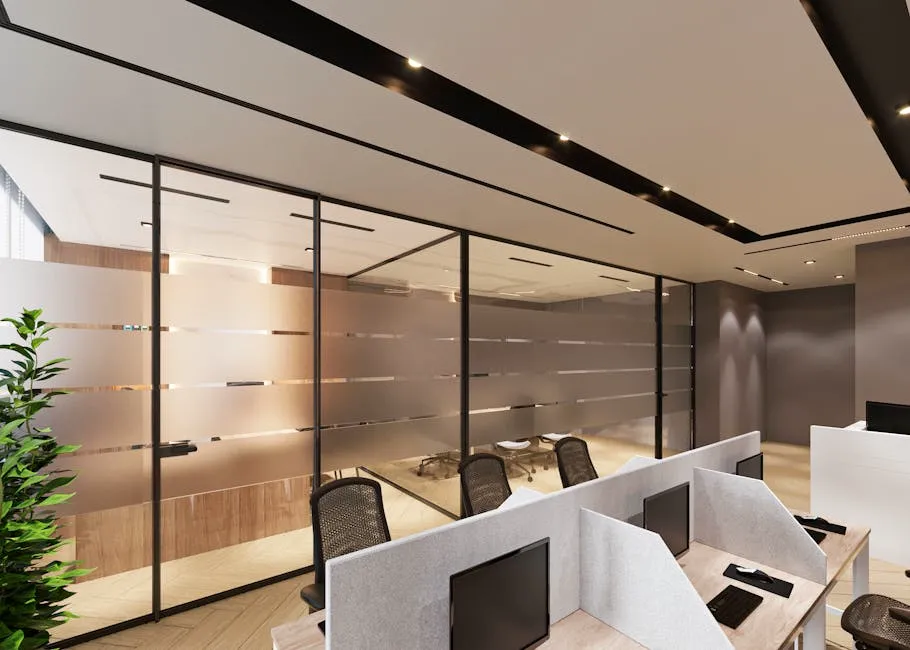
3M Fasara decorative window films replicate the look of etched or sandblasted glass at a fraction of the cost. These films create a frosted, translucent appearance that diffuses light while adding privacy. They are available in dozens of patterns, from fine linear textures to broad gradient effects, and can be combined with cut vinyl lettering for branded privacy solutions.
Best for: Conference rooms, medical offices requiring HIPAA-compliant privacy, law firm lobbies, spa and salon environments, and any space where natural light should be maintained while blocking direct sightlines.
Opaque Full-Color Vinyl
When maximum visual impact matters more than light transmission, 3M’s Scotchcal and Envision opaque films deliver vivid, full-bleed color graphics on glass. These films are printed with UV-cured or solvent inks on cast vinyl, producing photographic-quality imagery that holds up to years of sun exposure.
Best for: High-impact wall mural installation services, full window coverage on ground floors, seasonal campaigns on retail windows, and temporary event graphics that need to make a bold visual statement.
DI-NOC Architectural Finishes
3M DI-NOC films are a specialized product line that replicates the appearance of wood, stone, metal, and fabric on flat surfaces, including interior glass partitions. While not a traditional window graphic, DI-NOC is increasingly used in commercial interior design to transform glass office walls into surfaces that look like brushed aluminum, walnut paneling, or marble.
Best for: Corporate interior redesigns, hospitality lobbies, elevator surrounds, and commercial spaces where glass partitions need a warmer or more textured aesthetic.
Dual-Sided and Layered Films
For businesses that want different graphics visible from the exterior and interior, 3M offers layered film solutions. A printed graphic faces outward while a separate design, color block, or branded pattern faces inward. This is common in banking, healthcare, and corporate environments where the exterior message and interior atmosphere serve different purposes.
Best for: Banks, healthcare facilities, corporate offices, and retail locations that need to present different messaging to exterior foot traffic and interior occupants.
How Does 3M Certification Ensure Proper Film Application?
Premium materials only deliver their full value when installed correctly. This is where the connection between 3M films and 3M certification becomes critical. The certification program exists specifically because 3M’s engineered films require specific handling, preparation, and application techniques that differ from generic vinyl installation.
A 3M certified installer has completed hands-on testing at 3M’s facility in Saint Paul, Minnesota, covering:
- Glass surface preparation protocols specific to 3M adhesive systems, including cleaning agents, temperature thresholds, and humidity limits
- Wet and dry application techniques matched to each 3M film type, because perforated film, frosted film, and cast vinyl each require different handling
- Heat application and post-heating procedures calibrated for 3M’s adhesive activation temperatures
- Seaming and paneling standards for large glass surfaces where multiple film sections must align without visible gaps or overlap
- Removal procedures that protect glass surfaces when graphics are replaced or updated
When a non-certified installer applies 3M film, they often use techniques designed for generic vinyl. The result is suboptimal adhesive activation, trapped air, misaligned panels, and edge lifting, all of which void the manufacturer’s warranty and shorten the graphic’s lifespan. To find qualified 3M Certified Graphics Installation Companies for your window project, use the UASG directory as your starting point.
What Is the 3M MCS Warranty and Why Does It Require Certification?
The 3M Matched Component System (MCS) Warranty is the most comprehensive warranty in the graphics industry. It covers both the materials and the labor, meaning if the graphic fails due to a material defect or an installation issue, 3M covers the cost of replacement materials and reinstallation.
Here is the critical detail: the MCS Warranty only applies when three conditions are met.
- 3M-approved films and inks are used (the matched component system requires all elements to come from 3M’s approved supply chain)
- 3M-approved printing processes are used by a qualified print provider
- A 3M certified installer performs the application
If any one of these three links breaks, the warranty does not apply. This is why specifying 3M materials alone is not enough. You need the entire chain, from printing to installation, to be within the 3M certified ecosystem. The installers who perform this work are 3M certified vinyl installers who have passed specialty testing on glass surface preparation and film application.
For vertical window applications, the MCS Warranty provides up to eight years of non-prorated coverage. That means in year seven, if the graphic fails, 3M covers it at full value, not a depreciated fraction. No generic vinyl manufacturer offers anything comparable. Understanding the full installation training and certification program requirements explains why certified installers consistently outperform uncertified alternatives.
How to Specify 3M Materials for Your Window Graphics Project
Specifying the right materials upfront prevents substitution and ensures warranty eligibility. When scoping a window graphics project, include these details in your RFP or project brief:
Name the product line. Instead of requesting “window vinyl,” specify the 3M product series. For perforated film, request 3M Scotchcal IJ Series. For frosted privacy film, specify 3M Fasara. For full-color opaque graphics, request 3M Envision or Scotchcal cast vinyl. Naming the product line removes ambiguity and prevents installers from substituting cheaper alternatives.
Require MCS Warranty documentation. Ask your installer to provide a written confirmation that the project will be completed under 3M’s Matched Component System, including the print provider’s MCS certification number and the installer’s 3M credential.
Confirm the overlaminate. The protective overlaminate layer is what gives 3M window graphics their UV resistance and scratch protection. Specify 3M-matched overlaminates rather than accepting third-party alternatives that may not be compatible with the base film.
Request material samples. Before committing to a full installation, ask for printed samples on the actual 3M film that will be used. Evaluate color accuracy, light transmission (for perforated films), and texture under the same lighting conditions as your installation site.
Document everything in the contract. Your project agreement should list the specific 3M product numbers, the overlaminate, and the print process. This documentation is required if you ever need to file a warranty claim.
Common Mistakes When Ordering Window Graphics Without 3M Specification
Businesses that skip the material specification step frequently encounter these problems:
- Film substitution. Without a named 3M product in the scope, some installers default to cheaper generic vinyl that looks similar but lacks the adhesive technology, UV protection, and warranty backing of 3M films.
- Mismatched components. Using a 3M film with a non-approved ink or overlaminate breaks the MCS Warranty chain. The graphic may look fine initially but is unprotected if it fails prematurely.
- Wrong film type for the application. Applying a calendered film where a cast film is needed, or using an interior-rated film on an exterior-facing window, leads to early failure. A certified installer matches the 3M product to the specific glass type, orientation, and environmental exposure.
- Ignoring removal requirements. Some generic adhesives damage window tinting, low-E coatings, or glass surfaces during removal. 3M’s Controltac adhesive is engineered for clean removal, but only when applied and removed using 3M’s documented procedures.

Frequently Asked Questions
What types of 3M films are used for commercial window graphics?
3M offers several product lines for window applications, including perforated films (Scotchcal IJ Series) for see-through graphics, Fasara decorative films for frosted and etched-glass effects, Envision and Scotchcal opaque films for full-color graphics, and DI-NOC architectural finishes for interior glass surfaces. Each product line is engineered for specific performance requirements, and a 3M certified installer can recommend the right film for your project.
How long do 3M certified window graphics last?
When installed by a certified professional, 3M window graphics typically last five to nine years in outdoor vertical applications, depending on the specific film, overlaminate, and environmental conditions. The 3M MCS Warranty covers qualifying installations for up to eight years with non-prorated coverage, meaning the full replacement value is protected throughout the warranty period.
Can 3M window graphics be removed without damaging the glass?
Yes. 3M’s Controltac and Comply adhesive systems are specifically designed for clean removal. When a certified installer follows 3M’s documented removal procedures, the film comes off without leaving adhesive residue or damaging glass coatings, tinting, or low-E treatments. This is a significant advantage over generic films that often require chemical solvents or razor scraping for removal.
Why does the 3M MCS Warranty require a certified installer?
The MCS Warranty is a system-level guarantee that covers materials, printing, and installation as a single unit. 3M requires certified installers because improper application techniques, even on genuine 3M film, can cause premature failure that would not be a material defect. By requiring all three components to be within the certified ecosystem, 3M ensures the warranty claim process is straightforward and that failures are genuinely covered. Learn more about why 3M certified installation is worth the investment.
How do I verify that my installer is using genuine 3M materials?
Request the specific 3M product numbers in your project contract and ask for material samples before installation begins. Your installer should provide documentation showing the film product line, the ink system, and the overlaminate, all of which must be 3M-approved for MCS Warranty eligibility. You can also verify your installer’s certification status through the official UASG directory or by contacting AP Installations directly at (503) 924-6168.