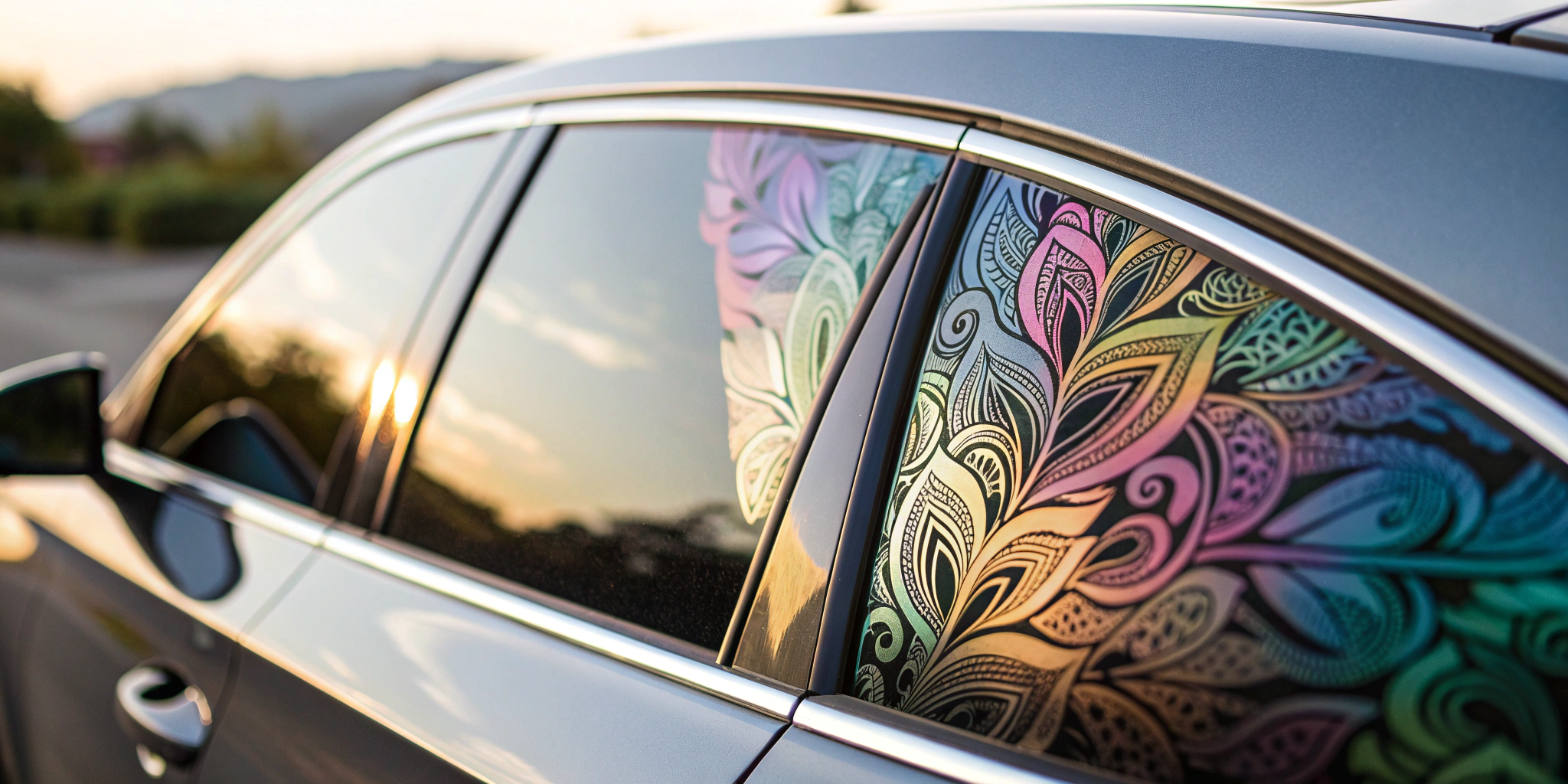
Your company vehicles are out on the road every day, seen by hundreds of potential customers across the Pacific Northwest. Are they making the right impression? A peeling, faded sticker sends the wrong message, but a professionally installed graphic transforms your fleet into a powerful marketing tool. This guide is your complete resource for understanding high-quality car window vinyl decals. We’ll cover everything from choosing the right weather-resistant materials to the importance of a flawless installation. Think of this as your roadmap to turning your vehicles into mobile billboards that look sharp, build brand recognition, and represent the quality of your business for years to come.
Key Takeaways
- Match the material to your message: Select the right vinyl—like see-through perforated for full-window ads or precise die-cut for a clean logo—to ensure your decal functions exactly as you need it to.
- Professional installation is the secret to longevity: A bubble-free, long-lasting graphic isn’t just about the quality of the vinyl; it’s the expert application that ensures your decal looks flawless and stays put for years.
- A little care goes a long way: Keep your graphics looking sharp by sticking to gentle, soap-and-water cleaning. Avoiding high-pressure washes and harsh chemicals is the easiest way to protect your investment.
What Are Car Window Decals?
You’ve seen them everywhere: crisp logos on the back of a work van, intricate designs on a car’s rear windshield, or store hours neatly displayed on a front door. These are vinyl window decals. Think of them as high-performance stickers, custom-printed on durable vinyl with special UV-resistant ink. Unlike a simple paper sticker, a high-quality vinyl decal is engineered to look sharp and last for years, even when exposed to the elements. For related planning details, see AP Installations’ 3M certified window graphics.
They are a versatile tool for both businesses and individuals. For companies, they transform a personal car or an entire fleet of vehicles into mobile billboards, showcasing a brand to hundreds of potential customers every day. For personal use, they offer a way to add a unique touch to your vehicle, from a favorite quote to a custom-designed image. The key is that they are made from professional-grade materials designed specifically for glass surfaces, ensuring they apply smoothly and stay put. Whether you’re looking to advertise your business or express your personality, window graphics are a powerful and professional way to do it.
What Are They For?
At their core, car window decals serve two main purposes: advertising and personalization. For a business, they are one of the most cost-effective marketing tools available. You can display your company name, logo, contact information, and services on your vehicle, creating brand awareness wherever you go. This is especially effective for local businesses, as it builds recognition within the community you serve. Well-designed fleet graphics create a cohesive, professional image that builds trust with your customers. On a personal level, decals let you customize your ride and make it truly your own, reflecting your hobbies, beliefs, or sense of style.
How Do They Work on Glass?
The magic of a vinyl decal lies in its construction and application. These graphics are cut from a sheet of durable, adhesive-backed vinyl. For complex or detailed designs, a layer of “transfer tape” is applied over the top. This tape holds all the individual pieces of the design in place, allowing you to apply it to the glass in one smooth, perfectly aligned motion. Once the decal is pressed onto the window, you simply peel away the transfer tape, leaving only the vinyl graphic behind. This process ensures even intricate lettering and logos look clean and professional. Because they’re made from high-quality vinyl, these decals are built to be weatherproof and can handle sun, rain, and wind without peeling or fading.
A Guide to Vinyl Decal Materials
Choosing the right material for your car window decal is about more than just looks—it’s about function and durability. The vinyl you select will determine how your design interacts with the glass, how much visibility you have, and how long your graphic will last. Whether you’re looking for a bold, full-coverage advertisement for your company vehicle or a subtle, elegant logo for a storefront, there’s a material designed specifically for your goal. Understanding the unique properties of each type of vinyl is the first step toward creating a decal that not only looks great but also performs perfectly for your needs.
At AP Installations, we work with a variety of high-quality materials to create stunning vinyl graphics. Let’s walk through the most popular options so you can feel confident in your choice.
Clear Vinyl Decals
Clear vinyl decals are a fantastic choice when you want your design to stand out without a visible background. The unprinted areas of the decal are completely transparent, creating a seamless, “printed-on” look that integrates beautifully with the glass. This makes them ideal for intricate or complex logos and designs where a solid background would be distracting. You often see clear vinyl used for storefront hours, brand logos on a glass door, or detailed graphics placed inside a window to be viewed from the outside. The result is a clean, professional appearance that lets your design shine without obstructing the view, offering a polished look that feels intentional and high-end.
White Vinyl Decals
If you need your message to be bold and impossible to miss, white vinyl is the way to go. This material is completely opaque, meaning it blocks visibility from both sides. Its solid white background ensures that your text and graphics are vibrant and easy to read from a distance, without any interference from what’s behind the glass. This makes it a popular choice for smaller, high-impact decals like safety warnings, contact information on a work truck, or promotional stickers that need to grab attention quickly. The high contrast of white vinyl guarantees your design will capture attention and deliver a clear, concise message every time.
Perforated Vinyl Decals
Perforated vinyl is a game-changer for large-scale window advertisements. This innovative material is covered in tiny, uniform holes that allow for one-way visibility. From the outside, people see a solid, vibrant graphic, but from the inside, you can see right through it. This makes it the perfect solution for covering the rear window of a company car or an entire storefront without sacrificing natural light or the driver’s view. It’s an incredibly effective way to display large fleet graphics and turn your vehicle into a mobile billboard while maintaining safety and visibility for those inside.
Die-Cut Vinyl
Die-cut vinyl decals offer a clean, precise look by eliminating the background entirely. The decal is cut to the exact shape of your design, whether it’s lettering, a logo, or a custom graphic. This creates a sleek, professional aesthetic that looks as if the design were painted directly onto the surface. Because of their versatility, die-cut decals are a popular choice for everything from vehicle branding and window lettering to custom wall graphics. They adhere perfectly to glass and other smooth surfaces, giving you a polished and personalized result that highlights the specific shape of your design without any visual clutter.
Etched Glass Vinyl
For a touch of elegance and sophistication, etched glass vinyl is an excellent option. This specialty film mimics the premium look of sandblasted or frosted glass at a fraction of the cost of permanent etching. It adds a layer of privacy while still allowing light to pass through, making it perfect for office partitions, conference room doors, or adding a decorative element to a storefront window. Etched glass vinyl can be cut into custom patterns or logos, providing a subtle yet high-end finish that enhances the aesthetic of any space. It’s a simple way to add a layer of refined branding to your business environment.
How Long Will Your Car Window Decals Last?
Investing in car window decals for your business is a smart move, but it’s natural to wonder how long that investment will last. The simple answer is that a high-quality vinyl decal can look great for years. However, the true lifespan of your decal depends on a few key factors: the quality of the material, its exposure to the elements, and how well it was installed in the first place. When you get these three things right, your vehicle’s graphics can remain a vibrant and effective marketing tool for a long time.
Think of your decal not as a temporary sticker but as a durable addition to your vehicle. The materials are designed to withstand highway speeds, car washes, and changing weather. While nothing lasts forever, you can certainly expect to get several years of performance from a well-chosen and professionally applied decal. By understanding what contributes to its longevity, you can make choices that protect your investment and keep your fleet looking sharp and professional on the road.
Lifespan by Material Type
When it comes to durability, not all materials are created equal. That’s why professionals rely on high-quality vinyl for vehicle graphics. Because of its resilience, a well-made vinyl decal can last for up to five years, even when exposed to the elements day in and day out. This makes it an excellent choice for everything from simple window lettering to full-coverage perforated designs. The key is starting with a premium material designed specifically for vehicle applications, as it will resist fading, cracking, and peeling far better than a generic sticker. Choosing the right vinyl graphic solutions from the start is the first step toward a long-lasting design.
How Weather and Environment Play a Role
The Pacific Northwest weather can be tough on vehicles, and your decals are no exception. Consistent exposure to direct, strong sunlight is the primary cause of fading over time. To keep your graphics looking crisp, it’s a good idea to park in the shade or a garage whenever possible. Rain and road grime also play a part. To maintain your decal’s fresh look, gently wash it with mild soap and water when it gets dirty. Be sure to skip the harsh chemicals or abrasive scrubbing tools, as they can damage the vinyl’s surface. A little care goes a long way in preserving the color and integrity of your decal.
The Impact of a Quality Installation
You can have the best vinyl in the world, but it won’t last if it’s not applied correctly. A quality installation is the foundation for a long-lasting decal. The most critical step is surface preparation. A professional installer knows that using standard window-cleaning products can leave behind a residue that prevents the decal from adhering properly. Improper cleaning is a leading cause of peeling and bubbling. That’s why working with certified installers is so important. They have the training and tools to prepare the glass perfectly, ensuring a flawless, bubble-free application that maximizes adhesion and sets your decal up for a long life.
How Can You Customize Your Car Decals?
One of the best things about vinyl decals is that they are completely adaptable to your vision. You’re not stuck with a one-size-fits-all solution. Instead, you can create something that perfectly captures your brand’s personality or your personal style. Customization allows you to control every element, from the dimensions and shape to the specific colors and graphics used. This flexibility ensures your vehicle stands out and communicates your message effectively.
Whether you have a precise design ready to go or just a concept you want to explore, the right materials and a professional team can bring it to life. You can see how different businesses have used custom designs to transform their vehicles by looking at a portfolio of past projects. The goal is to create a decal that looks like it was made just for your vehicle—because it was.
Finding the Right Size and Shape
The first step in customizing your decal is figuring out the right size and shape for your window. You can choose from a wide range of sizes, from a small, subtle logo in the corner to a graphic that covers the entire rear windshield. The key is to match the decal’s scale to the vehicle and your goals. Think about how far away you want it to be legible and what information is most important to display.
Beyond simple squares and circles, you can opt for custom shapes that make your design pop. Die-cut decals are cut to the exact outline of your logo or graphic, creating a clean, integrated look without any extra background material. This method is perfect for intricate logos and lettering, giving your vehicle a professional, painted-on appearance.
Exploring Color and Design Options
Color is a powerful tool for grabbing attention and reinforcing brand identity. Modern vinyl comes in a massive spectrum of colors, finishes, and effects, so you can match your exact brand palette or find the perfect hue to express your style. Whether you need a vibrant, glossy color that stands out in traffic or a sophisticated matte or etched-glass finish, there’s a material that fits your needs.
When it comes to design, the possibilities are nearly endless. You can use a simple, text-based design with your company name and phone number or a full-color graphic that showcases your products or services. If you’re branding a commercial vehicle, consistency is key. Using the same colors and logos that appear on your website and other marketing materials creates a cohesive and professional image for your fleet graphics. For related planning details, see AP Installations’ commercial window graphics.
Using Text and Graphics
The content of your decal—the text and graphics—is what communicates your message. You can personalize your decal with your own text, whether it’s a business slogan, contact information, or a favorite quote. When choosing text, focus on clarity and readability. Select a clean, bold font that is easy to read from a distance, and make sure the size is large enough to be seen by other drivers.
Graphics, like your company logo, can make your decal instantly recognizable. A well-designed graphic can convey what your business does without a single word. The best decals strike a balance between compelling imagery and essential text. High-quality, die-cut vinyl ensures both your text and graphics are crisp, durable, and able to withstand the weather without fading, keeping your message clear for years to come. If you have a design in mind, you can contact us to discuss how to best translate it to vinyl.
How to Apply Car Window Decals
Applying a car window decal might seem straightforward, but getting that smooth, bubble-free finish takes precision and patience. Whether you’re adding a logo to your company van or personalizing your ride, the application process determines how good your decal looks and how long it lasts. A flawless installation ensures your message is clear and your vehicle looks sharp. If you’re considering a DIY approach, it’s important to understand the steps and potential pitfalls. For larger or more complex graphics, especially for a fleet of vehicles, working with a professional is often the best path. A pro has the right tools and experience to handle the material, ensuring perfect alignment and adhesion every time. Ready to learn more? Let’s walk through the process.
Why Hire a Professional Installer?
While you can certainly apply smaller decals yourself, hiring a professional installer is the surest way to get a perfect result. Experts have the tools and techniques to ensure a flawless application, which means no frustrating bubbles, wrinkles, or misalignment. This is especially true for large graphics or perforated vinyl that requires a delicate touch. A professional touch not only makes your decal look better but also helps it last longer by ensuring a secure bond to the glass. When your business’s image is on the line, a certified installation guarantees your investment looks polished and represents your brand well from day one.
A Step-by-Step DIY Application Guide
If you’re tackling the installation yourself, preparation is everything. First, make sure your window is impeccably clean and dry. Position the decal with painter’s tape to find the perfect spot before peeling off the backing. Create a hinge with tape across the middle of the decal. Then, lift one side, peel the backing away to the hinge, and cut it off. Using a squeegee, press the decal onto the glass, working from the center out. Remove the hinge tape, repeat on the other side, and slowly peel off the top transfer tape. Work slowly and methodically to avoid trapping air bubbles.
Common Mistakes to Avoid
The most common mistake is failing to clean the surface properly. Any dust, wax, or residue will prevent the vinyl from adhering correctly and can cause bubbles or peeling. Another frequent error is using the wrong cleaning solution. Avoid ammonia-based window cleaners, as they can leave a residue that interferes with the adhesive. Rushing the process is another path to a poor result. Applying a decal in direct sunlight or extreme temperatures can also cause problems, as the heat can make the vinyl too pliable and the adhesive too sticky to manage. Taking your time in a shaded, temperate environment will save you a lot of headaches.
Prepping Your Window Surface
Proper surface prep is the most critical step for a long-lasting decal. Start by washing the glass with a simple solution of mild soap and water to remove the initial layer of dirt. For a deeper clean, wipe the area with isopropyl (rubbing) alcohol on a clean, lint-free cloth. This removes any remaining oils, waxes, or residues that could compromise the decal’s adhesive. Make sure the window is completely dry before you begin the application. Some professional installers even use a final wipe with a specialized surface prep solution to guarantee the best possible bond for the vinyl graphics.
How to Care for Your Vinyl Window Decals
Your new vinyl window decals look fantastic, and you want to keep them that way for as long as possible. The good news is, it’s not complicated. With a little bit of routine care, you can protect your investment and ensure your graphics stay vibrant and professional-looking for years. Proper maintenance prevents premature peeling, fading, and cracking, so your vehicle or storefront continues to represent your brand beautifully. Following a few simple guidelines will make all the difference in extending the life and impact of your custom vinyl solutions.
Safe Cleaning Techniques
When it comes to cleaning your vinyl decals, gentle is the way to go. The most effective and safest method is simply using a soft cloth with warm, soapy water. This approach easily lifts dirt and grime without risking damage to the vinyl or its adhesive. It’s important to steer clear of harsh chemicals, abrasive sponges, or high-pressure washers, as these can cause the decal to fade, scratch, or peel at the edges. Think of it like hand-washing a delicate piece of clothing—a little care goes a long way. Regular, gentle cleaning will keep your graphics looking as crisp as the day they were installed.
What to Know About Temperature
Temperature plays a big role in both the application and the longevity of your vinyl decals. While our certified team handles the ideal installation conditions, you can help the adhesive cure properly by being mindful of temperature afterward. For vehicle decals, it’s a good idea to avoid rolling down the windows for the first 24 to 48 hours. This gives the adhesive time to fully bond with the glass. You should also avoid automatic car washes that use high-pressure jets and harsh brushes, as the force and heat can lift the decal’s edges over time.
Signs It’s Time for a Replacement
Even the highest-quality vinyl has a lifespan. Over time, you might notice signs that it’s time for a refresh. Keep an eye out for significant fading, which can happen after years of sun exposure. You may also see the edges starting to peel, curl, or bubble. These are indicators that the adhesive is beginning to fail and the material is breaking down. When your graphics start to look worn, it can detract from your professional image. If you spot these signs, it’s a good time to reach out to us for a fresh installation to keep your branding looking its best.
How to Pick the Right Vinyl Decal
Choosing the right vinyl decal comes down to your goal. Are you turning your vehicle into a mobile billboard for your business, or are you adding a touch of personal flair? The answer will guide your decisions on size, material, and design. Let’s walk through how to select the perfect decal for your needs, ensuring it looks great and works hard for you.
Decals for Business Advertising
When you’re advertising your business, you want to make a statement. This is where larger decals, especially on rear windows, come into play. Think of your vehicle as a moving advertisement. Perforated vinyl is an excellent choice for rear windows because it displays a full-color graphic to the outside world while remaining see-through from the inside, so your visibility isn’t compromised. Use this space to feature your company logo, key services, and contact information. Well-designed fleet graphics can turn every drive into a marketing opportunity, reaching potential customers all over the Pacific Northwest.
Decals for Personalizing Your Vehicle
If you’re looking to personalize your ride, smaller decals are often the way to go. These can be anything from a favorite quote or a graphic representing a hobby to a simple “baby on board” notice. Small decals add character without overwhelming your car’s appearance. They’re a subtle way to share a bit of your personality with the world. You can find pre-made designs or create something entirely your own. Even for personal projects, using high-quality vinyl and proper installation ensures your decal will last for years, so your custom designs stay looking crisp and clean.
Understanding Visibility and Legal Rules
Before you get too excited about your new design, it’s essential to think about safety and local laws. Regulations on window decals can vary, so always check your local rules before applying anything to your vehicle. As a general rule, avoid placing decals where they could obstruct your view of the road, particularly on the front windshield or front side windows. Ensuring your decals are legally compliant not only keeps you safe but also helps you avoid fines. A quick check with your local DMV can give you the peace of mind that your new decal is both stylish and street-legal.
What Goes Into the Price of a Vinyl Decal?
Figuring out the cost of a car window decal isn’t as simple as picking an item off a shelf. The final price tag depends on a few key variables that you control, from the materials you choose to how the decal gets onto your window. Think of it less like a fixed price and more like a custom project, where the cost reflects the quality and complexity of the final product. Understanding these factors will help you set a realistic budget and ensure you get a decal that looks great and lasts for years.
Let’s break down the two main components that determine the cost: the decal itself and the installation.
How Material and Size Affect Cost
The most direct factors influencing a decal’s price are its size and the material it’s made from. A larger, more intricate design will naturally cost more than a small, simple one because it requires more material and production time. You can choose from various types of vinyl, like perforated for full-window coverage or premium die-cut vinyl for crisp, clean logos. High-performance materials designed to withstand harsh weather will be priced higher than standard options. The complexity of your design also plays a part; a multi-colored, detailed graphic will be more expensive than simple text.
Factoring in Professional Installation
While it might be tempting to save money with a DIY application, professional installation is an investment in the decal’s longevity and appearance. The cost of installation covers the technician’s time, expertise, and the specialized tools needed for a flawless finish. A certified installer knows exactly how to prep the glass surface and apply the vinyl to avoid bubbles, wrinkles, and peeling edges that can ruin the look. This professional touch ensures your decal not only looks perfect from day one but also holds up against the elements, protecting your investment and making your vehicle look its best.
How to Choose a Quality Vinyl Installer
The quality of your vinyl decal is only half the equation; the other half is the installation. A rushed or inexperienced application can lead to bubbles, peeling, and a shorter lifespan for your graphics, no matter how great the material is. Finding the right installer ensures your investment looks professional and lasts for years. So, how do you find a pro you can trust? It comes down to looking for the right credentials and asking the right questions.
The Benefits of a Certified Installer
A certified installer isn’t just someone who knows how to apply a sticker. They’ve gone through specific training to prove their skills and knowledge of different materials and techniques. Choosing a certified installer means you’re working with a professional who focuses on the small details that make a big difference. They understand the nuances of how vinyl interacts with glass, how to prep the surface correctly, and how to handle challenges like curves and edges. This expertise ensures your decals look flawless and perform well over time, giving you a durable, high-quality finish that represents your brand perfectly. At AP Installations, our team is proud to be a 3M Preferred Installer, which means we meet the highest standards in the industry.
Questions to Ask Before You Commit
Before you hand over your project, it’s smart to have a conversation with any potential installer. Think of it as a mini-interview to make sure they’re the right fit. A reputable pro will be happy to answer your questions and provide the information you need to feel confident. Here are a few key questions to ask:
- Are you certified? If so, by whom?
- Can I see examples of your previous car window decal work?
- What types of vinyl materials do you recommend for my project and why?
- What does your installation process look like?
- Do you offer a warranty on your installation work?
A professional installer should have a portfolio ready to share, like our gallery of past projects, to showcase their quality and experience.
Why 3M Certification Matters
You might see the term “3M Certified” and wonder what makes it so special. 3M is a global leader in vinyl films and adhesives, and their certification program is one of the most rigorous in the industry. When an installer is 3M Certified, it means they have completed extensive training and passed hands-on tests directly with 3M. This certification is a promise of expertise, accuracy, and durability. It tells you that the installer not only knows how to apply vinyl but also has a deep understanding of 3M products and their specific application requirements. Choosing a 3M Preferred Installer gives you peace of mind that your project is in the hands of a true expert who adheres to the highest industry standards for all types of vinyl solutions.
Related Articles
- Become a Professional Installer – Premier Installation Services
- About Us – Premier Installation Services
Frequently Asked Questions
Can I apply a vinyl decal to a tinted window? Yes, you absolutely can. Vinyl decals are installed on the exterior surface of the glass, while window tint is applied to the interior. The two materials never touch, so the decal won’t interfere with your tint in any way.
Will a high-quality decal damage my car’s window? Not at all. Professional-grade vinyl is specifically designed for application on glass and other vehicle surfaces. When it’s time for a change, the decal can be removed cleanly without damaging the window or leaving behind stubborn residue, especially when handled by an experienced installer.
What’s the best way to remove an old decal? For a clean removal, you can gently heat the decal with a hairdryer on a low setting to soften the adhesive. Once it’s warm, you should be able to slowly peel it back from one of the corners. If any sticky residue is left behind, a little rubbing alcohol on a soft cloth usually does the trick.
Is there a real difference between a decal and a sticker? Think of it in terms of durability and performance. A sticker is often made from paper or a less resilient material, meant for temporary fun. A decal is engineered from durable, weatherproof vinyl designed to last for years against sun and rain, making it a true investment for your vehicle’s branding or style.
Can I still take my car through an automatic car wash? After your decal is installed, it’s best to wait a few days to let the adhesive fully set. Once it has cured, you can go through most car washes. However, we recommend sticking to touchless washes and avoiding those with harsh, high-pressure brushes, as they can be rough on the decal’s edges over time. Hand washing is always the safest option to keep it looking great.